

Fall CSA Newsletter: Week 6
It’s Week Six
Welcome! We are hope that you had a fantastic fifth week and that you were able to use everything in your bag.
In Your Box This Week and How to Store Them
CARROTS - Store carrots in the refrigerator in a plastic bag or container. Cut tops off prior to storage. They can store for several weeks and sometimes even months $5
CELERY - Place the celery in the crisper drawer of your refrigerator, which should be set to high humidity. Don't wash or cut the celery until you're ready to use it. I would recommend storing in an open plastic bag. $4
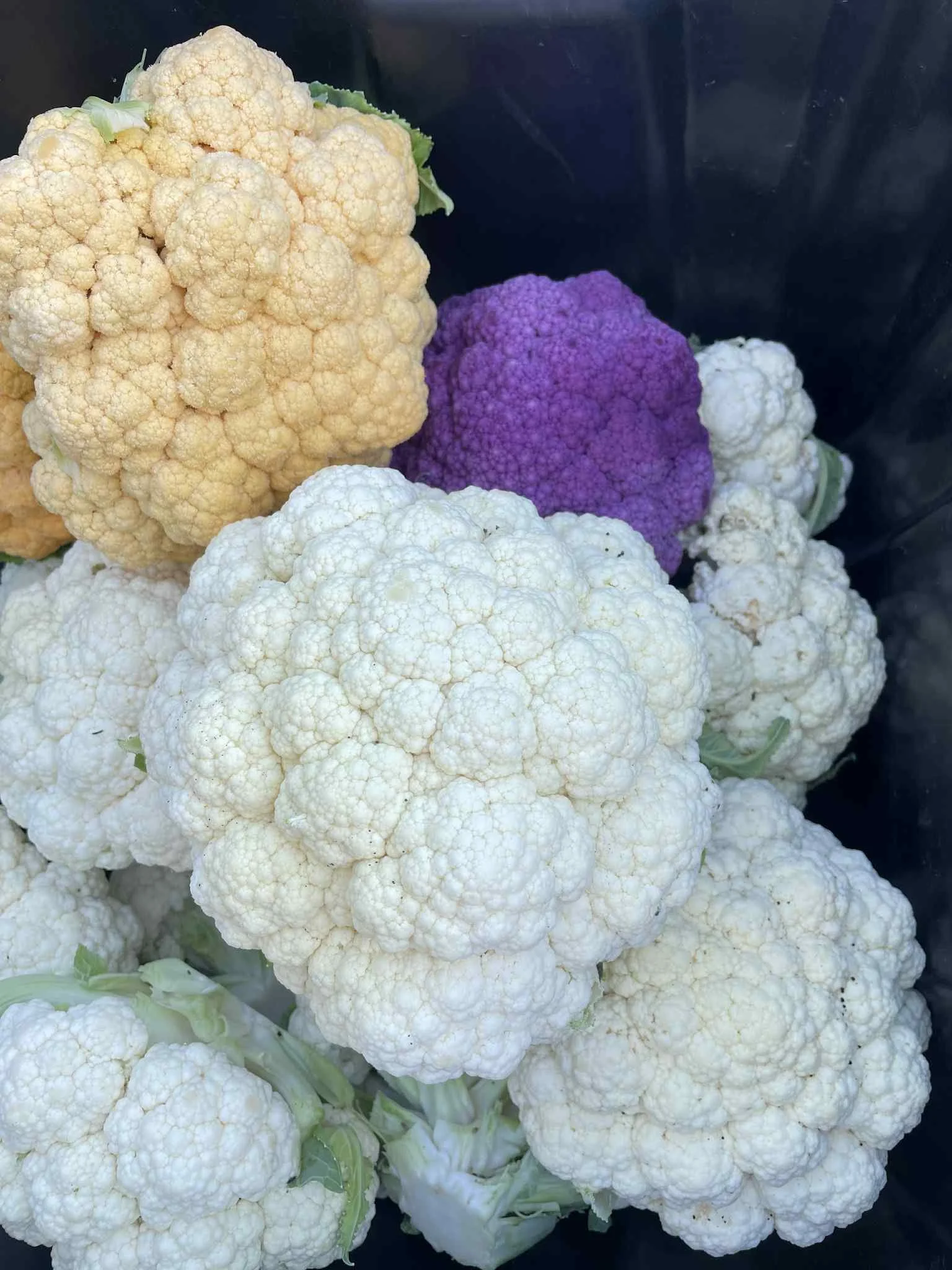
CAULIFLOWER - keep it in the refrigerator in a perforated bag in the crisper drawer, stem-side up, to keep it dry and allow for air circulation $6
HEAD LETTUCE - Store in a plastic bag loosely in your refrigerator. The ideal temperature for storing lettuce is at or near 32 degrees. Wash prior to use. Lettuce stores normally for UP to two weeks. $5
GREEN TOMATOES - The best way to keep green tomatoes is one of two ways. You can store them on the kitchen counter at room temperature and turn them shoulders down. 60 to 65° is an ideal temperature for storing and we recommend placing your tomatoes out of direct sunlight or stick them in the fridge. You are not losing flavor with green tomatoes by putting them in the refridgerator like you would ripe tomatoes. 1lb $3
TOMATOES - The best way to keep summer tomatoes fresh and full of flavor, store them on the kitchen counter at room temperature and turn them shoulders down. 60 to 65° is an ideal temperature for storing and we recommend placing your tomatoes out of direct sunlight. $3 (3/4lb)
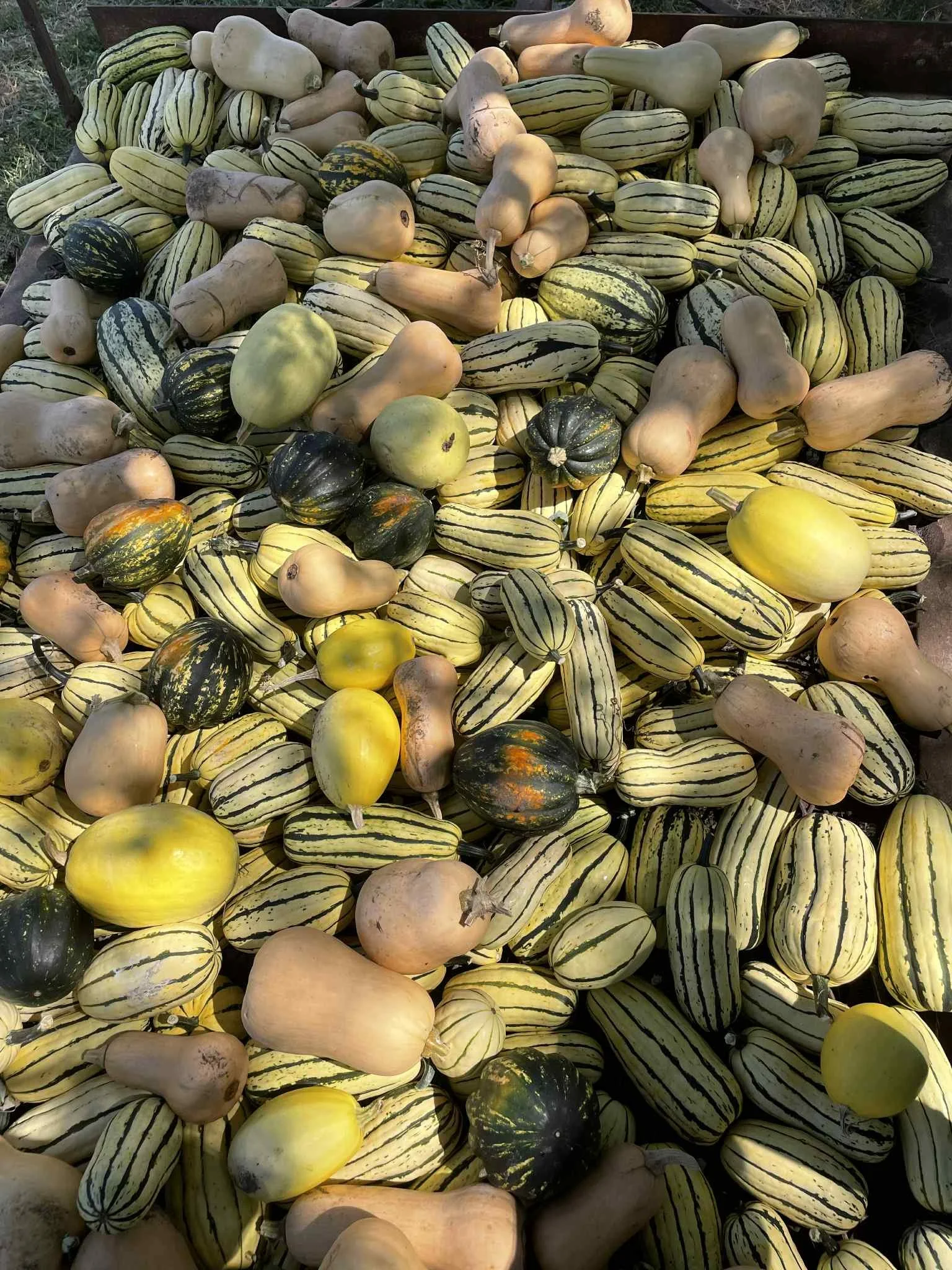
WINTER SQUASH - Dealer’s choice, (meaning me, I’m your vegetable dealer if you didn’t know) Most likely Spaghetti squash but, if I’m not absolutely swamped at the market you’re welcome to pick your favorite $5 (2.5lbs)
Veggie of the Week
Green Tomatoes
:max_bytes(150000):strip_icc():format(webp)/butternut-squash-and-pasta-with-sage-3062229-hero-01-74ab2ae7fa8b4127a53d95c6d5c472b8.jpg)

Photo Credit: Caitlyn Bensel and Rebecca Cummins
I know green tomatoes are not always a family favorite…. well, they are for me and as my CSA customers you must love them too!!
Green Tomatoes believe it or not can be a versatile ingredient. They can be used for fried green tomatoes - my number one reason to love them, in salsa, and chutney. They can also be pickled or roasted for a unique twist on classic recipes
I know we are trying to promote healthy eating through our CSA but, just do it… fry the green tomatoes.
Fried Green Tomatoes Recipe (southernliving.com)
A few others to try:
Easy Green Tomato Chutney Recipe • Lovely Greens
Green-Tomato Chutney Recipe (nytimes.com)
Green Tomato Salsa Verde Recipe (nytimes.com)
Additional Recipes
Homemade Chicken Noodle Soup Recipe - The Forked Spoon
Roasted Carrots Recipe - Love and Lemons
What’s Been Happening Here
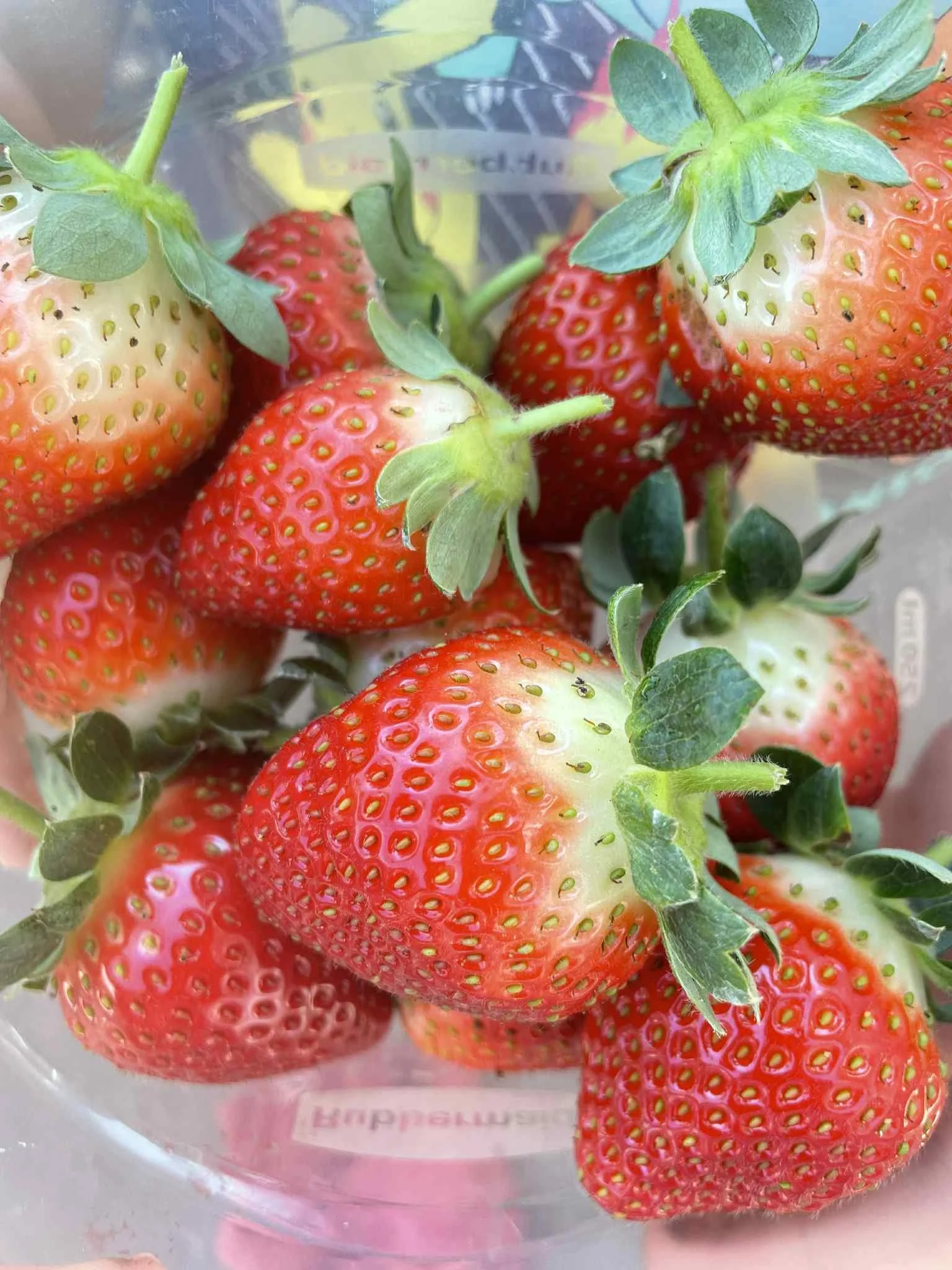
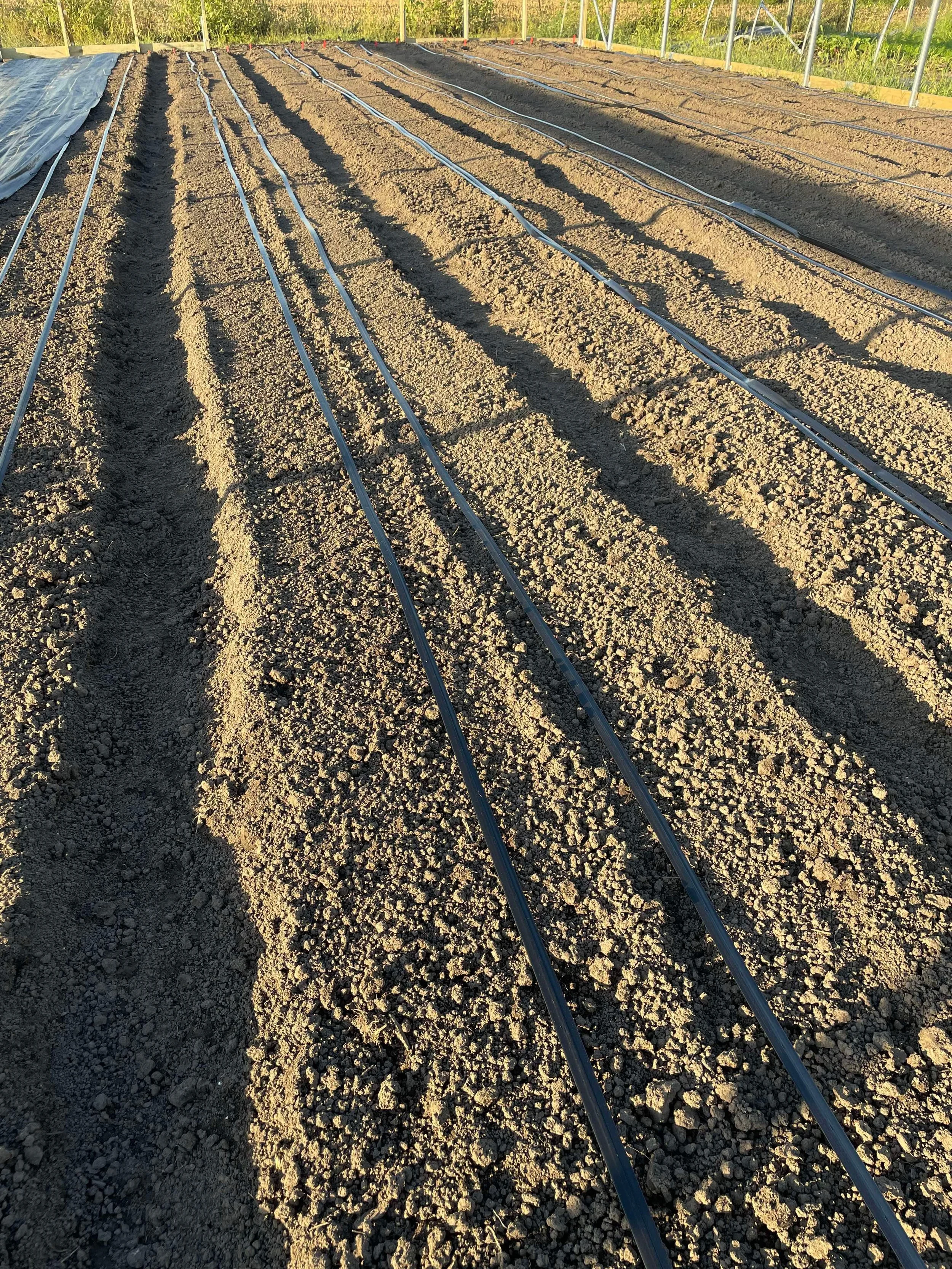
We are in fall clean-up. Ripping out tomato vines, cultivating fall weeds that still want to come up, cleaning our garage/wash pack area in preparation for our final markets in Sedalia. We planted all the strawberries and so far so good. As a matter of fact last week I picked a full quart of strawberries. The extra warm weeks in September and early October had a few plants thinking it was time to produce berries. It was a nice fall treat to pick and eat fresh berries. We have pulled out final apples and sweet potatoes this week and we are starting cauliflower and cabbage (yeah!)
We are in our final stretch of summer markets with only 2 left in Sedalia and 1 Columbia. We will tip-toe into the winter market in Columbia with the plan to continue at as many markets as we can into late January and early February. The farm is nearing it’s time of rest and we are pushing it as far as we can. We are however ready for a break. We have had 18 weeks of CSA this year, attended 75+ farmers markets since the beginning of May and we tried to squeeze in a few farm tours and mini-family vacations. Going down to one market a week and settling in to a bit of winter rest sounds like heaven.
I can hardly believe we are already in week 6. We've successfully completed 18 weeks of our Community Supported Agriculture (CSA) program this year. This wouldn't have been possible without the unwavering support from both our new and returning customers who have consistently shown their commitment week after week, and year after year. We are immensely grateful—thank you!
We sincerely hope you’ve enjoyed this year’s CSA, It’s our hope to welcome all of you back next year. Stay tuned for updates in the future as we aim to expand our CSA program even further!
We appreciate you and your support of small farms, small business and our small family!
Warmly,
Matt, Kim and Kids
Fall CSA Newsletter: Week 5
WHATS IN YOUR BOX THIS WEEK AND HOW TO USE IT
TOMATOES- The best way to keep summer tomatoes fresh and full of flavor, store them on the kitchen counter at room temperature and turn them shoulders down. 60 to 65° is an ideal temperature for storing and we recommend placing your tomatoes out of direct sunlight. 1lb $4
POTATOES - Keep in a cool, dry place away from light, like a dark corner of the kitchen or in a cabinet. Also keep well ventilated. Do not store in a plastic bag but you can store in a basket or paper bag. $5 (1.75 Pounds)
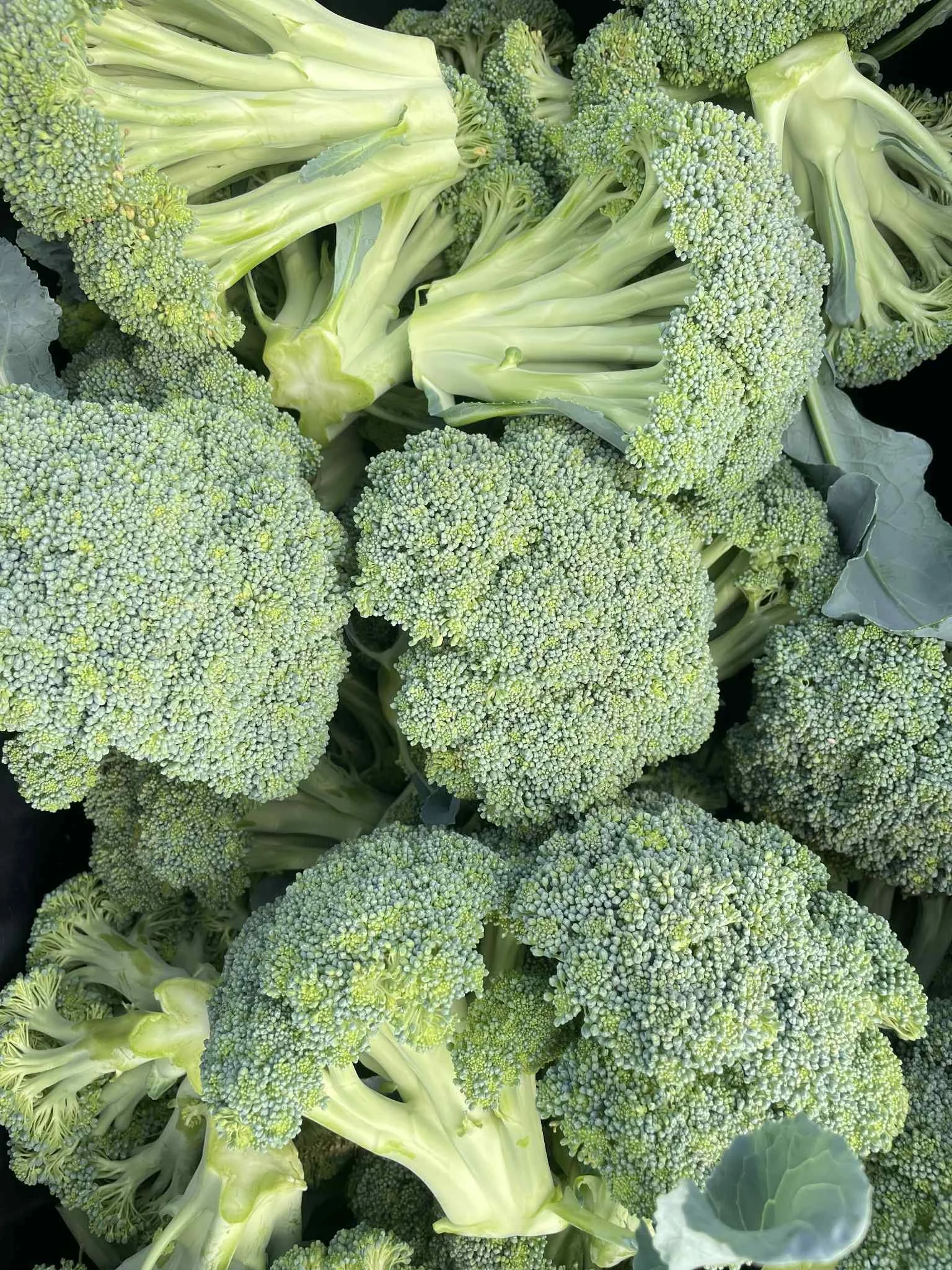
BROCCOLI - keep it unwashed in the refrigerator and store whole heads in a perforated plastic bag or wrapped in damp paper towels. Will store for up to a week. $6 (1.2lb)
DELICATA - Winter Squash is best stored between 55-65 degrees, however, Delicata squash does not store quite as well as heartier varieties like Acorn and Butternut. Place in a cool dry room in your house (do not refrigerate) and it should last 2 months. $6 (3lbs)
CURLY KALE - Kale loves the crisper drawer. Does well in a loose bag in your refrigerator. Chop stems off and then chop the leaves into rough pieces. Wash prior to use. Stores normally for UP to two weeks. $5
GREEN BEANS - green beans can store in the bag in your crisper drawer for up to 5-7 days 1lb $6
VEGGIE OF THE WEEK
POTATOES
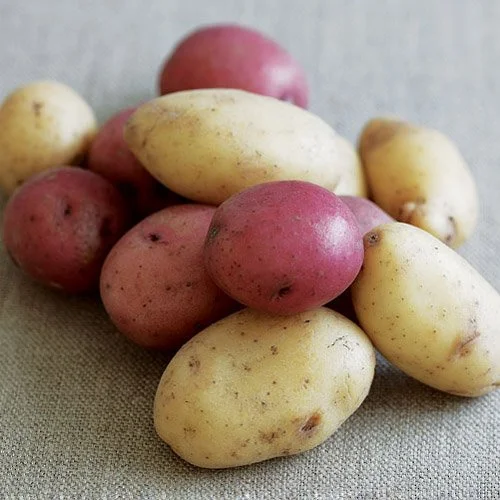
A drizzle of olive oil, a dab of butter, a sprinkle of salt and pepper, and roast in the oven at 425 degrees is all you need to make a fantastic side. Pairing these with BBQ chicken and sliced tomatoes on the side makes for a great meal.
This year we have harvested close to 2000lbs of potatoes. Potatoes are a great vegetable that appeals to even those who claim not to enjoy veggies. While indulging in fries and potato chips every day may not be the healthiest choice, potatoes themselves are nutrient-rich and make an excellent addition to any meal.
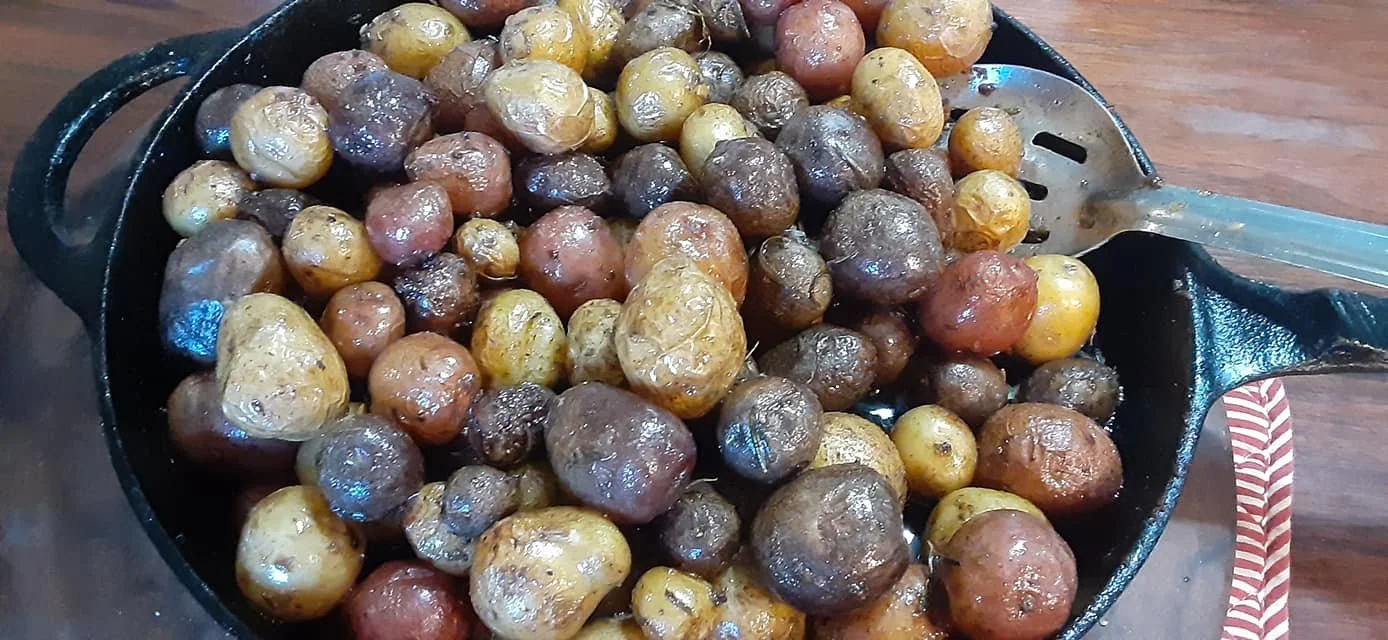
Iron Skillet New Potatoes
1 1/2 lbs small red potatoes (cut in half or quartered to make 3/4-inch thick pieces) I leave whole if small enough
1 Tbsp unsalted butter
2 Tbsp olive oil
Salt, to taste
Black pepper, to taste
2 Tbsp chives or green onion, chopped, plus more to garnish
Pre-heat oven to 425 degrees. Take a large skillet and add 1 Tbsp butter, 2 Tbsp olive oil. and add your Rosemary. Arrange potatoes in the skillet, cut-side-down in one layer. Cook uncovered and undisturbed for 35-40 minutes or until golden brown crust forms on the bottoms.
You can also try the following recipes with your new potatoes:
Boiled New Potatoes with Garlic - Spend With Pennies
Crushed New Potatoes Recipe - Little Sunny Kitchen
Additional Recipes This Week
Copycat Olive Garden Zuppa Soup - SO SO SO YUMMY. An absolute favorite of mine. TIP - Use a mandolin to slice your potatoes thinly and evenly.
WEEK 5
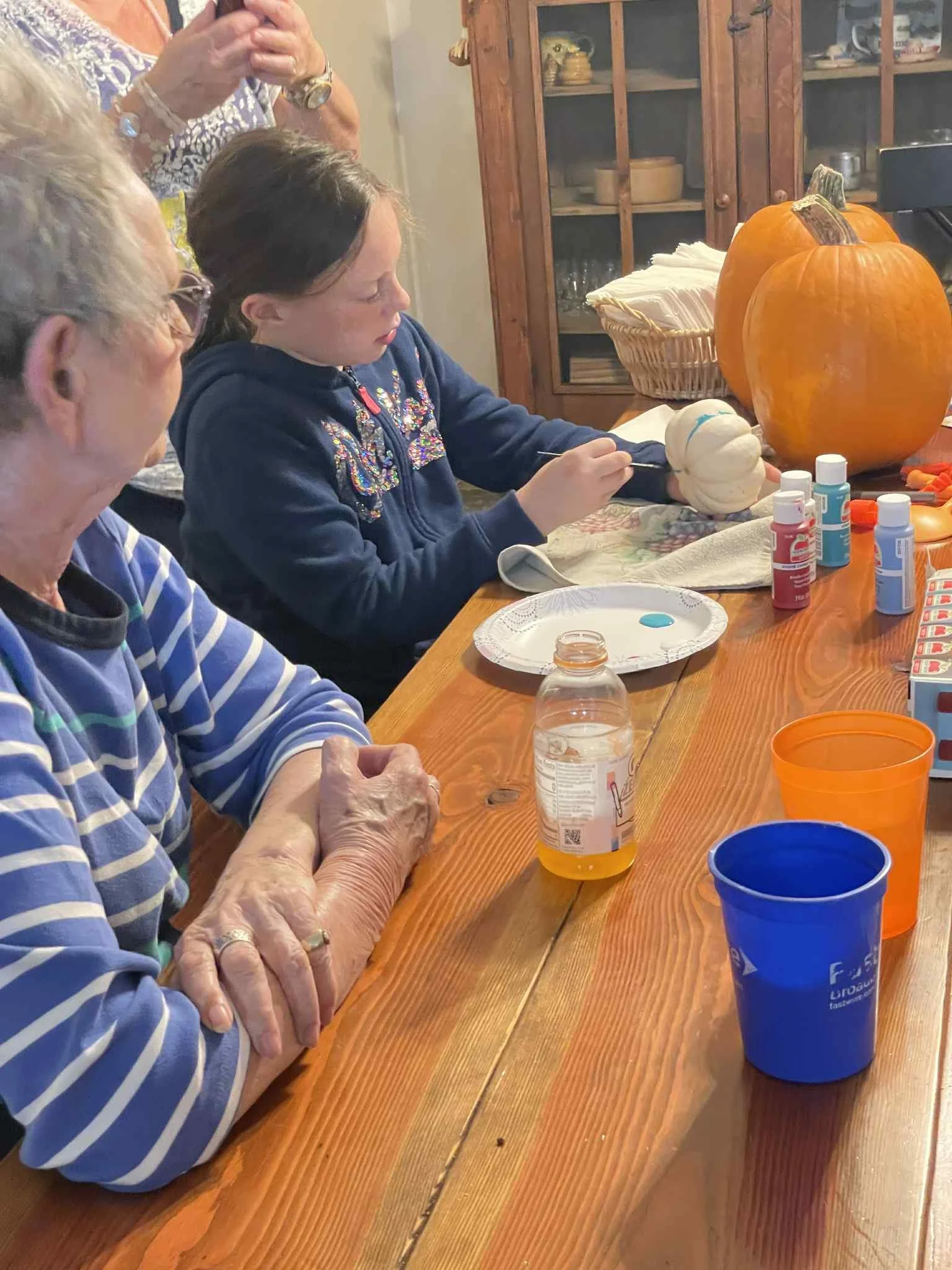
My family has been in town this week and it has been a whirlwind. In the month of October, six family members have a birthday. Three of those are my husband and two of our children. We had a large family birthday on Sunday where the kids made out like bandits, as per usual. We followed this up with pumpkin carving, pumpkin painting, trips for ice cream treats, making rice crispy treats, playing more UNO than I like too, soccer practice and this week soccer games. Matt and I have been squeezing in time to harvest, plant as many crops as we can, seed any remaining early winter crops and all things farm related. We have three more farmers markets in Sedalia and then we are done in Sedalia until the first Friday in May 2026. Summer market season is always long but, we also seem to blink and it’s gone. We are looking forward to the shift to one farmers market a week and the slow down that November will bring.
As a reminder NEXT WEEK is the LAST week of fall CSA….. already!!!



IF ALL ELSE FAILS
If your week has been crazy and you haven’t had time to do a thing with items in your bag, focus on these tasks:
Potatoes will store well out of direct sunlight in a cool dry place for several weeks.
Freezing tomatoes is the easiest way to keep ripe tomatoes until you're ready to use them. You don't have to peel them first—in fact, the act of freezing them itself makes the tomatoes very easy to peel and you can freeze as many or as few at a time as you like. Visit this link for directions on how to do this, How to Preserve Tomatoes to Enjoy All Year
Kale will store for at least 7 days. We wash and spin dry your lettuce one time. You should wash and dry again before consumption. Keep in mind moisture leads to spoilage. You can wait to wash your greens until you plan to consumer them. Place greens in an airtight container such as a bag or Tupperware.
Winter squash will also store for weeks if kept in a cool, dry space away from direct sunlight.
Green beans - just eat them! There aren’t enough to can. You could freeze them but it’s only a pound!
NEXT WEEK’S POSSIBILITY’S
Your bag next week will include 6-7 of the following depending on availability and if it’s ready to harvest.
apples
tomatoes (red)
green tomatoes
heirloom tomatoes
carrots
lettuce (head or mixed)
sweet potatoes
potatoes (red or white)
bell peppers
Other peppers (poblano, jalapeño, anaheim, banana, etc.)
Fairy Tale Eggplant
Eggplant
zucchini (green or yellow)
herbs (rosemary, sage, oregano, parsley)
celery
kale (curly or dino)
cauliflower
broccoli
winter squash (butternut, delicata, acorn or spaghetti)
turnips (Scarlett Queen or Hakurai)
beets
green beans
Wishing you a fantastic week ahead, see you next week!
Fall CSA Newsletter: Week 4
It’s Week Four
Welcome! We are hope that you had a fantastic third week and that you were able to use everything in your bag. Did you discover a new recipe? Try something that will be added to your rotation of meals? Try a new to you vegetable that you liked? Let us know and I will share it here with our other members. If you loved it, others will too!
In Your Box This Week and How to Store Them
SWEET POTATOES - Keep in a cool, dry place away from light, like a dark corner of the kitchen or in a cabinet. Also keep well ventilated. Do not store in a plastic bag but you can store in a basket or paper bag. $6
SPAGHETTI SQUASH - Winter Squash is best stored between 55-65 degrees, however, Delicata squash does not store quite as well as heartier varieties like Acorn and Butternut. Place in a cool dry room in your house (do not refrigerate) and it should last 2 months. (2lbs) $6
GREEN BEANS - reen beans can store in the bag in your crisper drawer for up to 5-7 days 1lb $6
BEETS - cut off immediately. Store the roots in a bag in your refrigerator. Before use wash your beets., you can peel them with a knife or peeler, or you can roast them in foil or boil them, and the peels will come right off. Turnips do not require you to peel them, but you should use prior to use. $6
HEIRLOOM TOMATOES - The best way to keep summer tomatoes fresh and full of flavor, store them on the kitchen counter at room temperature and turn them shoulders-down. 60 to 65° is an ideal temperature for storing and we recommend placing your tomatoes out of direct sunlight. NOTE: Heirloom tomatoes are not as shelf stable as red slicers. They will be softer, which is okay, but they will go bag quicker than the others. We DO NOT recommend putting them in the refrigerator to try to prolong shelf life, they will lose flavor. 1.5lbs $6.75
LETTUCE - Store in a plastic bag loosely in your refrigerator. The ideal temperature for storing lettuce is at or near 32 degrees. Wash prior to use. Lettuce stores normally for UP to two weeks. $5
Veggie of the Week
Spaghetti Squash
Spaghetti squash… another favorite! In fact, I just ate spaghetti squash for dinner tonight!
Spaghetti squash is a type of winter squash that, when cooked, has a unique texture compared to other winter squash that resembles spaghetti noodles. When you cook spaghetti squash—whether by baking, boiling, or microwaving—the inside becomes tender and can be easily scraped into strands with a fork. Our favorite way to eat is to roast, shred the inside and then top with our favorite homemade spaghetti sauce, YUM!
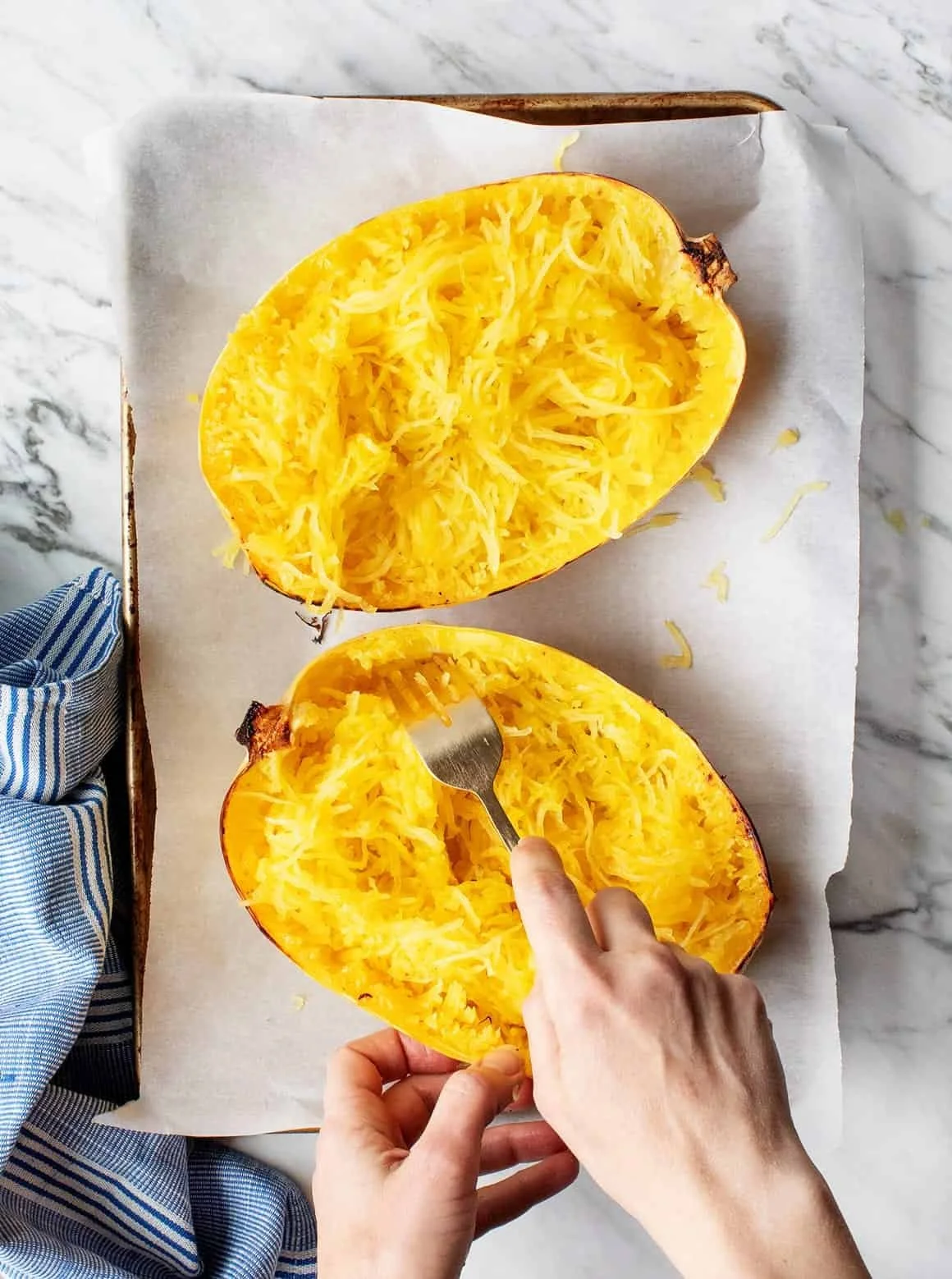
Photo Credit: Foxes Love Lemons.
Roasted Spaghetti Squash
1 spaghetti squash (or two, dependent on your appetite and size of squash)
1-2 tablespoons olive oil
1 teaspoon kosher salt
½ teaspoon ground black pepper
Instructions
Preheat oven to 400 degrees F. Line large, rimmed baking pan with parchment paper.
Trim stem end from squash, then cut each squash in half lengthwise and scoop out and discard seeds and pulp.
Place squash on baking sheet with parchment paper and equally divide olive oil, salt and pepper between the two halves.
Place squash halves on prepared pan with skin side down. Transfer to oven and roast 30 to 45 minutes or until tender, and the center scrapes away from the skin.
When squash is tender, spoon sauce over squash or you could add a little salted butter and eat without sauce. Serve immediately.
A few notes:
You can scoop the flesh out and place in a separate bowl, or my favorite is to use the skin as a bowl and place the sauce right in.
I prefer to roast with olive oil, salt and pepper. That’s it. I find no reason to add a “sweetener” of any kind. It adds calories that I don’t need, and I find the squash to be delicious as is.
MY FAVORITE way to eat this squash is to load it with a fresh spaghetti sauce. Using San Marzano tomatoes, you can get them canned at Wal-Mart, fresh carrots, onions, garlic, celery and a blend of seasonings makes it a perfect fall dish. We make a large pot of sauce at a time and eat it over several days. I will also use the sauce for lasagna subbing noodles with zucchini or doing a zucchini roll up. If anyone is interested in a sauce recipe send me a message or email and I can get one together for you.
ENJOY!
Additional Recipes
BLT’s - you really shouldn’t need a recipe for this but, get a GOOD BREAD and GOOD BACON. This seasonal treat will end before we know it!
What’s Been Happening Here
We are BUSY. Fall is literally nipping at our heels, the kids fall sports are kicking back up, we have family arriving this Friday and we are trying to get the remaining late fall/winter items in plus get the remaining summer items out while attending two markets a week. We are a bit, hair on fire over here so I won’t be posting a new “whats happening here” post this week. Just know it’s crazy and I’ll post more next week!
If All Else Fails
If your week has been crazy and you haven’t had time to do a thing with items in your bag, focus on these tasks:
There is not a great way to store heirloom or cherry tomatoes that will allow for longer term storage. Make sure you get these Summer treats eaten up!
Winter squash will also store for weeks if not months if kept in a cool, dry space away from direct sunlight.
Greens such as carrot tops, beet tops or other veggie scraps can be saved and used for homemade vegetable broth. Try this recipe: How to Make Vegetable Broth Using Saved Kitchen Scraps ~ Homestead and Chill Beets will store without tops in a crisper drawer for a long time. They may do even better in a light bag covered in the drawer.
Lettuce, spinach will store for at least 7 days. We rinse and spin dry your greens one time. You should rinse and dry again before consumption. The best way is with a hand crank salad spinner. Keep in mind moisture leads to spoilage. You can wait to wash your greens until you plan to consumer them. Place greens in an airtight container such as a bag or Tupperware. Greens will hold for 9-14 days.
Green beans - just eat them! There aren’t enough to can. You could freeze them but it’s only a pound!
Sweet potatoes will also store for some time in a cool dry place out of direct sunlight.
Next Week’s Possibility’s
Your bag next week will include 6-7 of the following depending on availability and if it’s ready to harvest.
apples
tomatoes (red)
heirloom tomatoes
carrots
lettuce (head or mixed)
sweet potatoes
potatoes (red or white)
bell peppers
Other peppers (poblano, jalapeño, anaheim, banana, etc.)
Fairy Tale Eggplant
Eggplant
zucchini (green or yellow)
herbs (rosemary, sage, oregano, parsley)
celery (maybe, they are sizing up well)
kale (curly or dino)
cauliflower
broccoli
winter squash (butternut, delicata, acorn or spaghetti)
turnips (Scarlett Queen or Hakurai)
beets
green beans
Wishing you a fantastic week ahead, see you next week!
Fall CSA Newsletter: Week 3
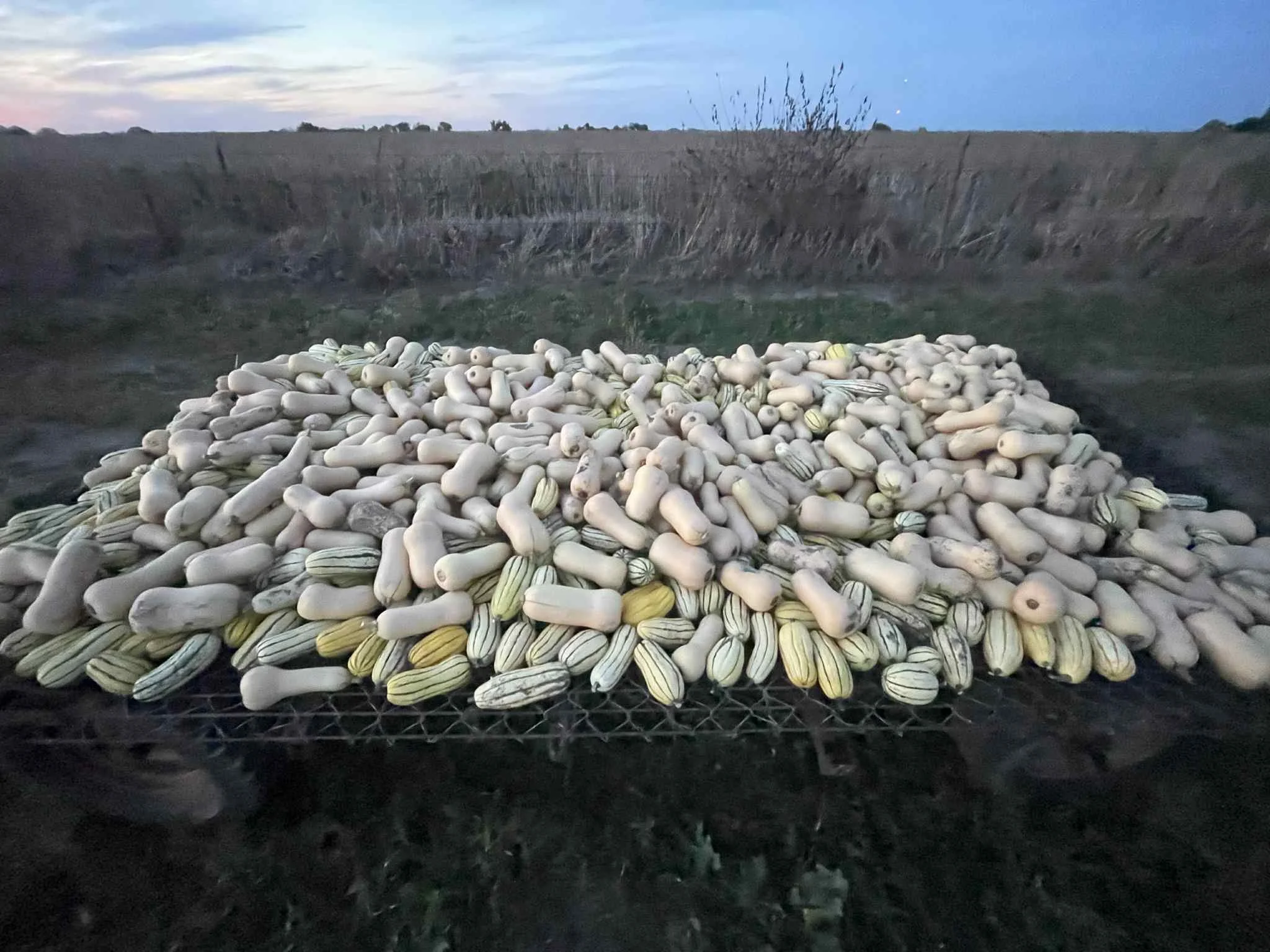
It’s Week Three
Welcome! We are hope that you had a fantastic second week and that you were able to use everything in your bag.
In Your Box This Week and How to Store Them
BELL PEPPERS - Clean the peppers and ensure they're dry, add them to a mesh or plastic produce bag, leave the bag open, and place them in the low humidity drawer. Peppers when nice and firm can last one-two weeks in the fridge. $1.00 x 2
HEIRLOOM TOMATOES - The best way to keep summer tomatoes fresh and full of flavor, store them on the kitchen counter at room temperature and turn them shoulders-down. 60 to 65° is an ideal temperature for storing and we recommend placing your tomatoes out of direct sunlight. NOTE: Heirloom tomatoes are not as shelf stable as red slicers. They will be softer, which is okay, but they will go bag quicker than the others. We DO NOT recommend putting them in the refrigerator to try to prolong shelf life, they will lose flavor. 1.5lbs $6.75
BROCCOLI store in a bag in the high-humidity vegetable crisper of your refrigerator for 3-4 days. I would highly recommend you wrap with a plastic bag to keep fresh for longer. KEEP IN MIND we try very hard to limit sprays and use of harsh chemicals on the farm. Broccoli and Cauliflower attract worms. Primary the cabbage worm and armyworms. You may consider soaking your heads in a sink or cool water to which you've added 1/4 cup of salt and 2 tbsp of vinegar. You will need to keep the heads submerged in the water for at least 20 minutes. Then pat dry and store. You may see a couple of “friends” in your sink after this process. $5.25 1.25lb
CHERRY TOMATOES Store tomatoes at room temperature for best taste. If tomatoes are refrigerated, remove them from refrigeration about 30 minutes prior to serving to regain some of their original flavor $5
DINO KALE Kale loves the crisper drawer. Does well in a loose bag in your refrigerator. Wash prior to use. Stores normally for UP to two weeks. $5
ACORN SQUASH Winter squash will last up to a month in a cool (50 to 55 F) dark cellar or storage area, but only about two weeks in the refrigerator. We keep ours out on the counter out of direct sunlight and haven’t had any issues with it lasting several weeks. 2.50 $5
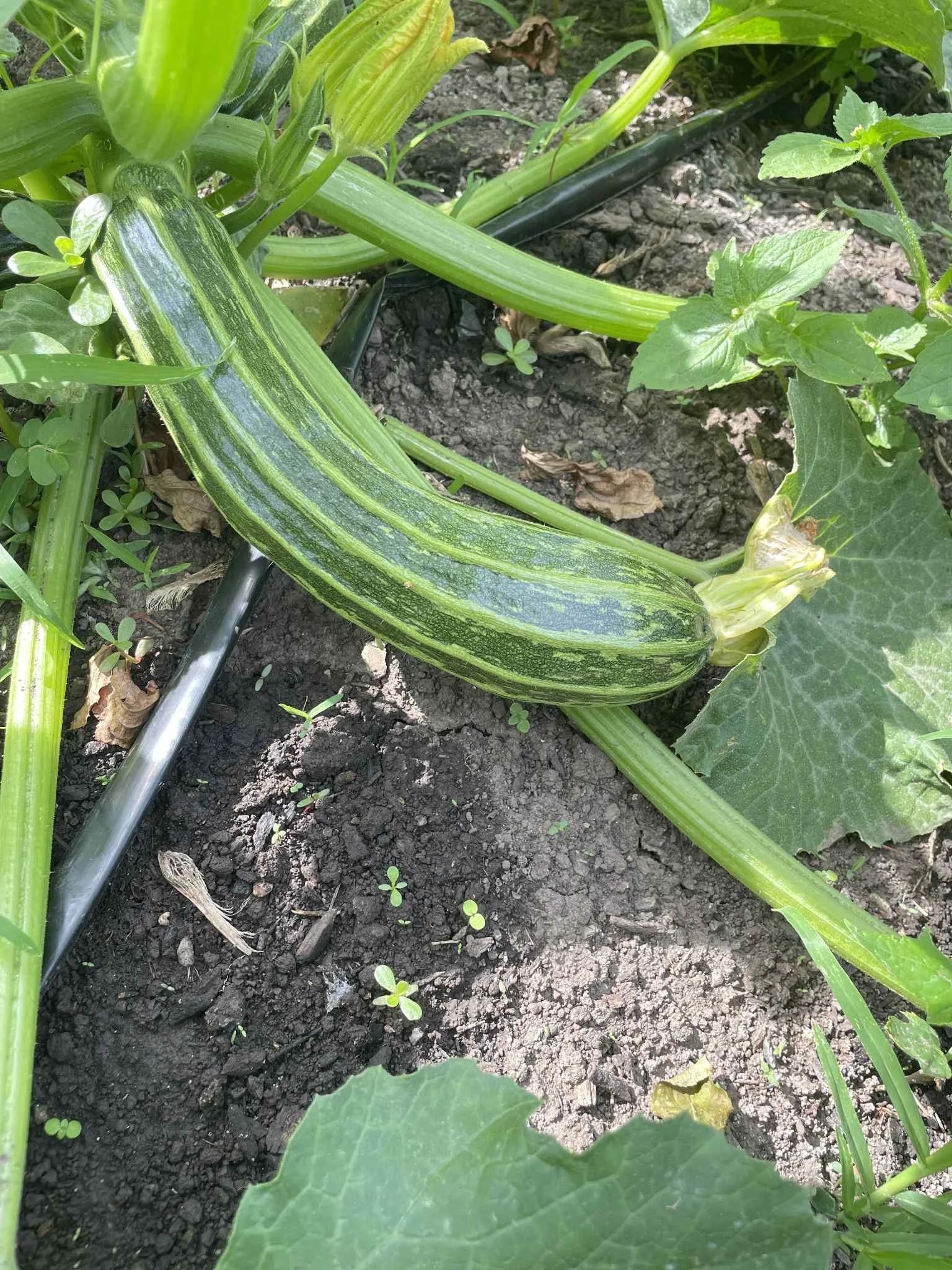
ZUCCHINI/SUMMER SQUASH - Storing zucchini in the fridge is a quick and simple way to keep zucchini fresh. Keep the zucchini whole until you're prepared to use it, avoid washing zucchini prior to storage. $1.50 x $2
Veggie of the Week
ACORN SQUASH
Photo Credit: Johnny Seeds
It might be 90 degrees outside but, we are in full swing of fall crops. Acorn squash is super easy to make as a quick side dish Roasting is the most popular because it is quick and delicious. Simply cut the squash in half, scoop out the seeds, and brush it with olive oil or butter. Roast at 400°F (200°C) for about 45 minutes until tender. You could also stuff acorn squash with grains, vegetables, or meats. For an even quicker option, microwave the halves for 10-12 minutes, then season to taste.
BEST Hummus Recipe - Love and Lemons ( cut up bell peppers to use with this hummus)
Super simply hummus recipe and I have yet to dislike a recipe I have picked up off of Love and Lemons. I’m still tweaking the recipe to fit our family likes but, it is a good starting point. You can also add peppers to the hummus or you can pair with a nice warm pita on the side. YUM!
Easy Vegetarian Omelet With Bell Peppers Recipe (thespruceeats.com)
Easy omelets in the morning make for a great breakfast filled with protein and vegetables to make you full.
Western Omelette – Lemon Tree Dwelling
Bell Pepper Fajitas | Greater Chicago Food Depository (chicagosfoodbank.org)
Fajitas are also a great choice with peppers. Chicken, steak, shrimp they are all great and a crowd pleaser.
Additional Recipes
Roasted Acorn Squash Recipe - Love and Lemons
This recipe calls for sage or rosemary. You don’t have to use it, but I will start incorporating herbs to go with fall recipes!
Stuffed Acorn Squash – WellPlated.com
Stuffed Acorn Squash with Mushrooms
Lacinato Kale Recipe - uses cherry tomatoes too
What’s Been Happening Here
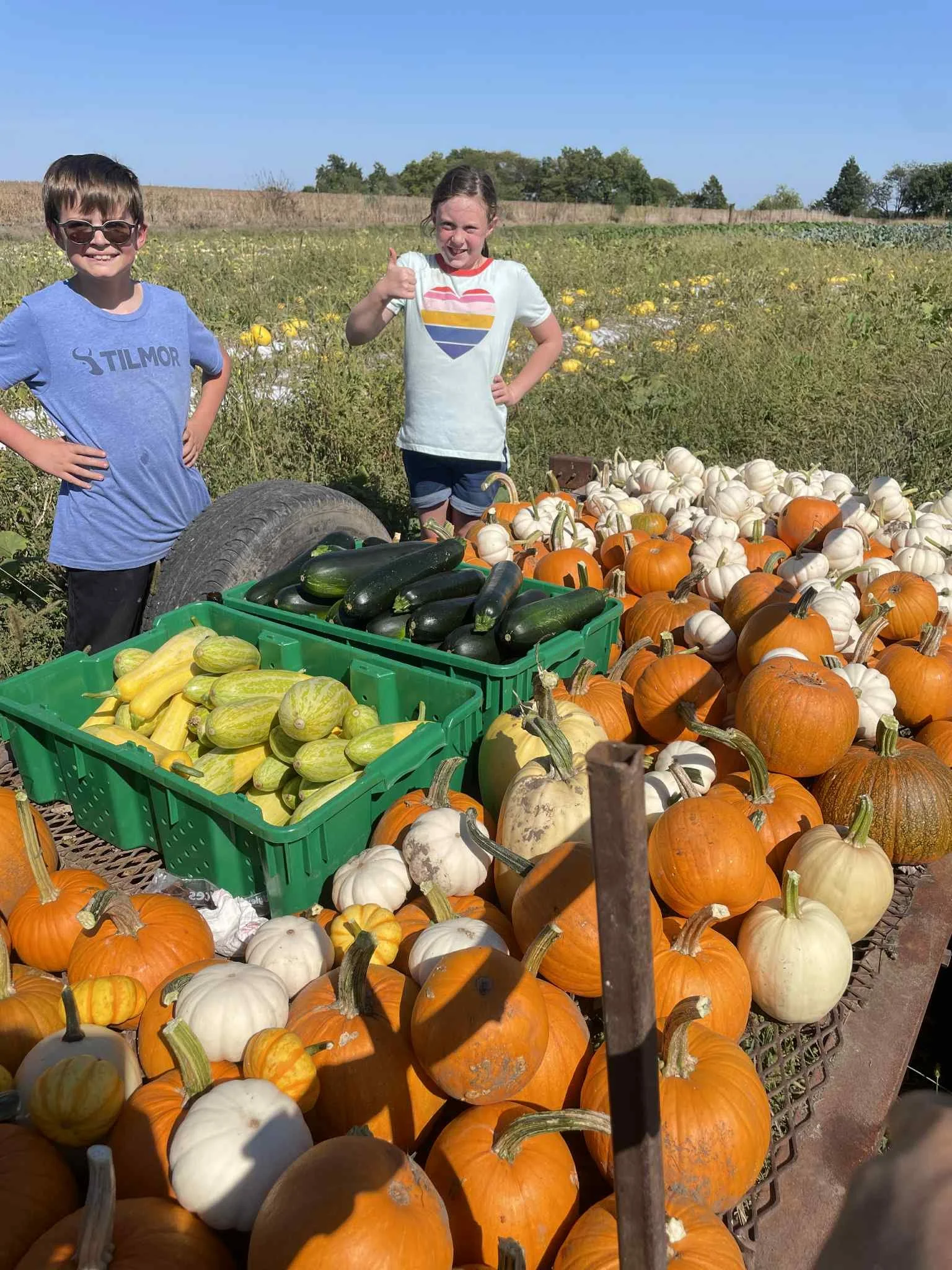
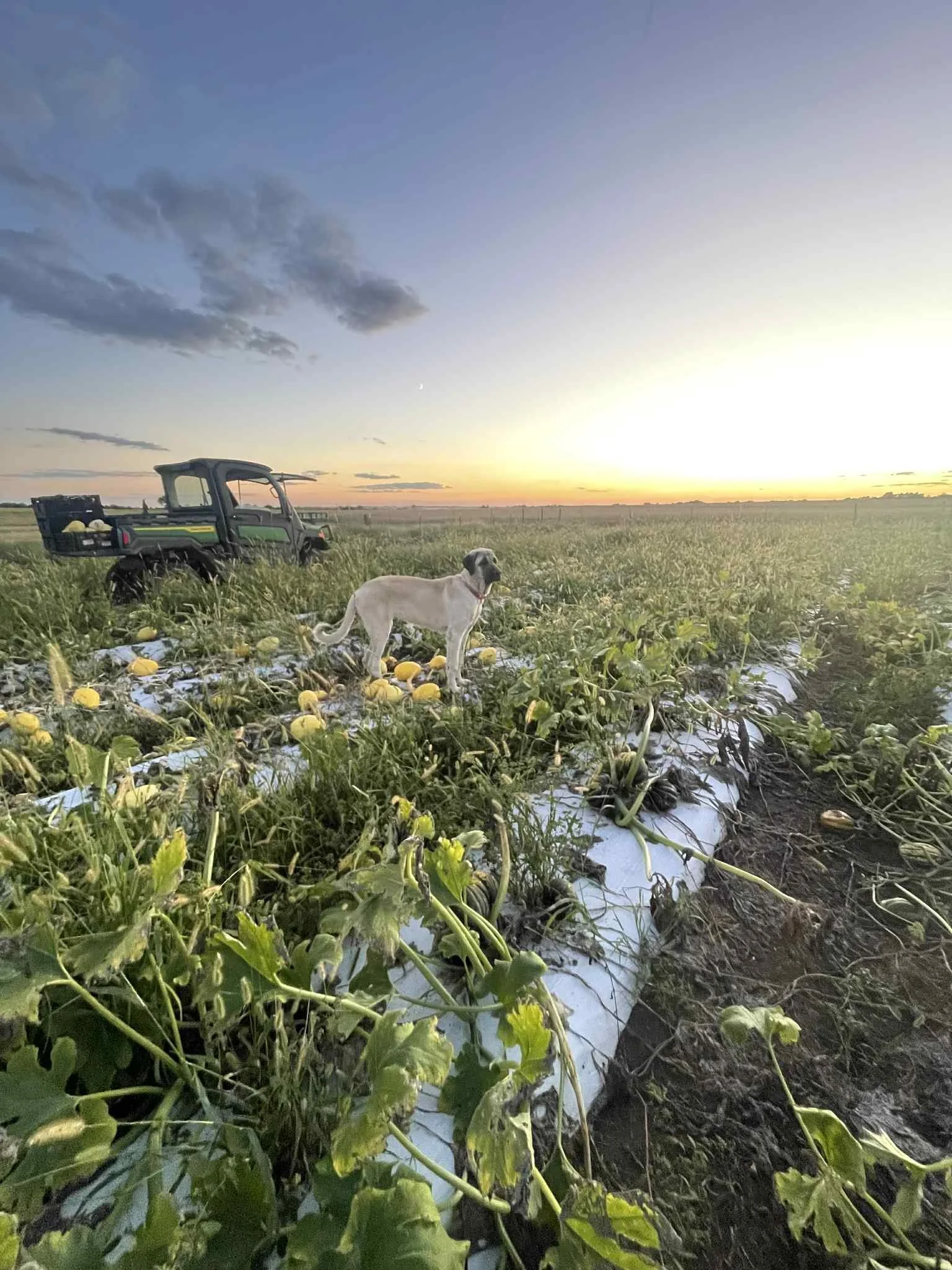
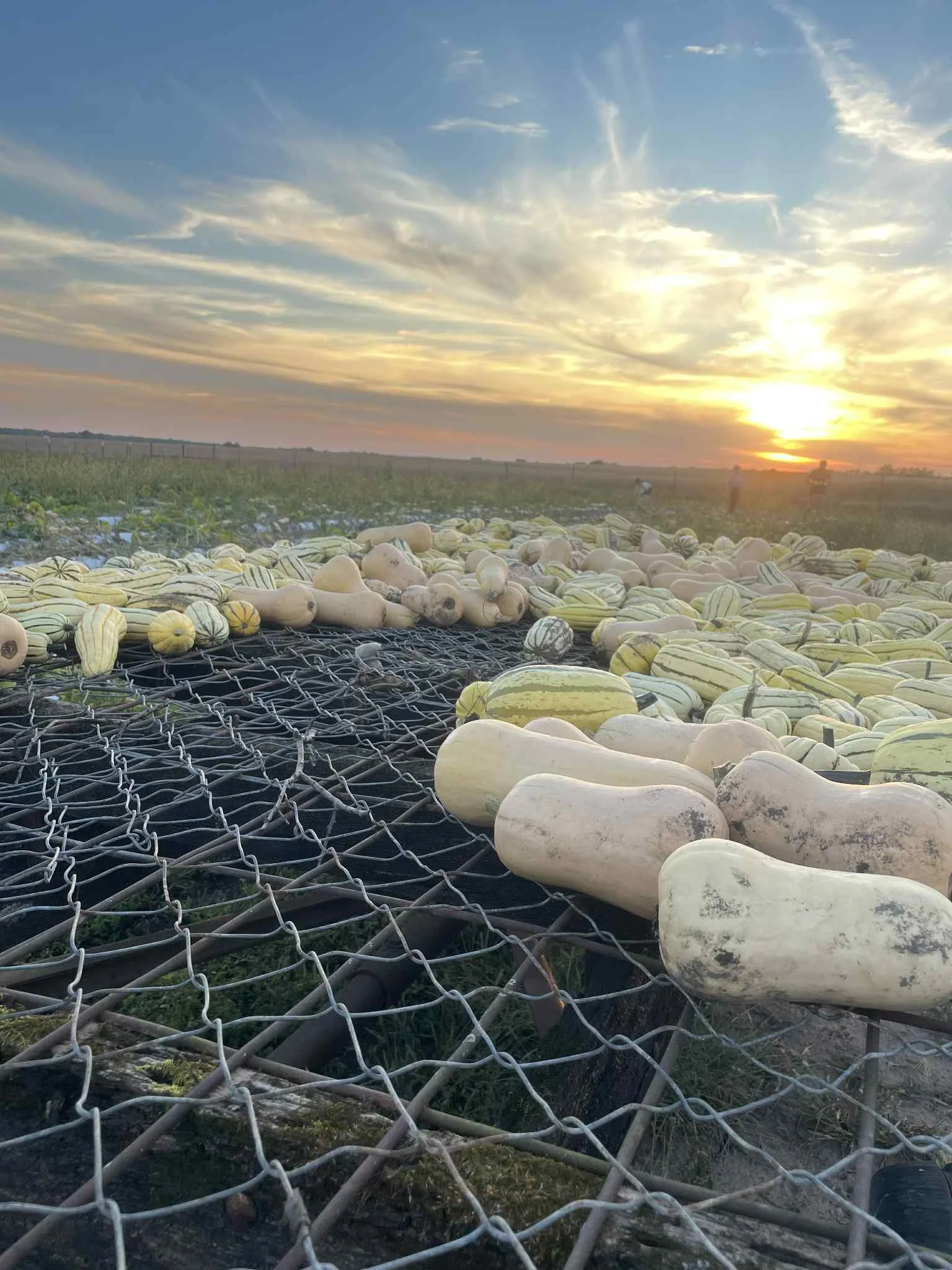
While I would describe the current weather as "fall," the unseasonably warm temperatures feel more like summer than autumn. Despite this, the work continues regardless. We're currently harvesting a mix of summer vegetables alongside the early fall harvests, which is always one of my favorite times of the year. Our children, however, are not quite as enthusiastic, as they’ve been volunteering against their will more than usual to help with the harvest. We're pulling in large quantities of winter squash and pumpkins from the fields, and this week, we’ll begin harvesting sweet potatoes. Over the coming weeks, everything will be cured and stored in preparation for winter markets. Hopefully, next week we'll have a good yield of green beans, as the summer was tough on our crop, and we're hopeful for a more bountiful fall. Our Anatolian pup Maisey turned 6 months this last week and is still learning the ropes but, fitting in just fine. She is now big enough to be at counter height and topping in close to 65 pounds but, she is all puppy!
If All Else Fails
If your week has been crazy and you haven’t had time to do a thing with items in your bag, focus on these tasks:
Zucchini can be shredded and frozen.
Bell peppers you can chop and freeze. Make sure you get all of the air out of the bag and seal them well in a freezer bag.
Kale will store for at least 7 days. Keep in mind moisture leads to spoilage. You can wait to wash your greens until you plan to consume them. Place greens in an airtight container such as a bag or Tupperware
Winter squash will also store for weeks if not months if kept in a cool, dry space away from direct sunlight.
There is not a great way to store heirloom or cherry tomatoes that will allow for longer term storage. Make sure you get these Summer treats eaten up!
Next Week’s Possibility’s
Your bag next week will include 6-7 of the following depending on availability and if it’s ready to harvest.
apples
potatoes
carrots
lettuce
sweet potatoes (very likely)
bell peppers
Other peppers (poblano, jalapeño, anaheim, banana, etc.)
Fairy Tale Eggplant
turnips
kale
beets
slicing tomatoes (red or heirloom type) (likely)
spaghetti squash
zucchini
herbs (rosemary, sage, oregano, parsley)
celery (maybe, they are sizing up well)
green beans (likely)
Wishing you a fantastic week ahead, see you next week!
Fall CSA Newsletter: Week 2
It’s Week Two
Welcome! We are hope that you had a good first week and that you were able to use everything in your bag. Did you discover a new recipe? Try something that will be added to your rotation of meals? Try a new to you vegetable that you liked? Let us know and I will share it here with our other members. If you loved it, others will too!
In Your Box This Week and How to Store Them
MIXED LETTUCE - Store in a plastic bag loosely in your refrigerator. The ideal temperature for storing lettuce is at or near 32 degrees. Wash prior to use. Lettuce stores normally for UP to two weeks. $5
ZUCCHINI -Wash, thoroughly dry, then wrap your cucumber in a dish towel or paper towel, place in an unsealed plastic bag to allow some airflow and place them in the crisper drawer. Can store for up to 10 days. Storing zucchini in the fridge is a quick and simple way to keep zucchini fresh. Keep the zucchini whole until you're prepared to use it, avoid washing zucchini prior to storage. $1.00 x 2
GOLDEN DELICOUS APPLES - I prefer to pick this variety a little early, they are still mildly tart but also sweet, which is perfect. You can display on your countertop, but they'll only last between 1 and 2 weeks, depending on the variety and room temperature. Apples in the fridge last from 2 weeks to several months. $6
BUTTERNUT SQUASH - Winter squash will last up to a month in a cool (50 to 55 F) dark cellar or storage area, but only about two weeks in the refrigerator. We keep ours out on the counter out of direct sunlight and haven’t had any issues with it lasting several weeks. 2.50lbs $5.00
EGGPLANT - store away from direct sunlight and use it as soon as possible after harvesting or buying. You can place it in a vented bowl, but avoid sealing it in a plastic bag, which can increase decay. Eggplant is not a cold loving vegetable but, if you want to keep it in the refrigerator do so in the warmest place in the refrigerator and keep lightly covered. Eggplant will remain fresh for 2-4 days. 1.5# x $3.50lb $5
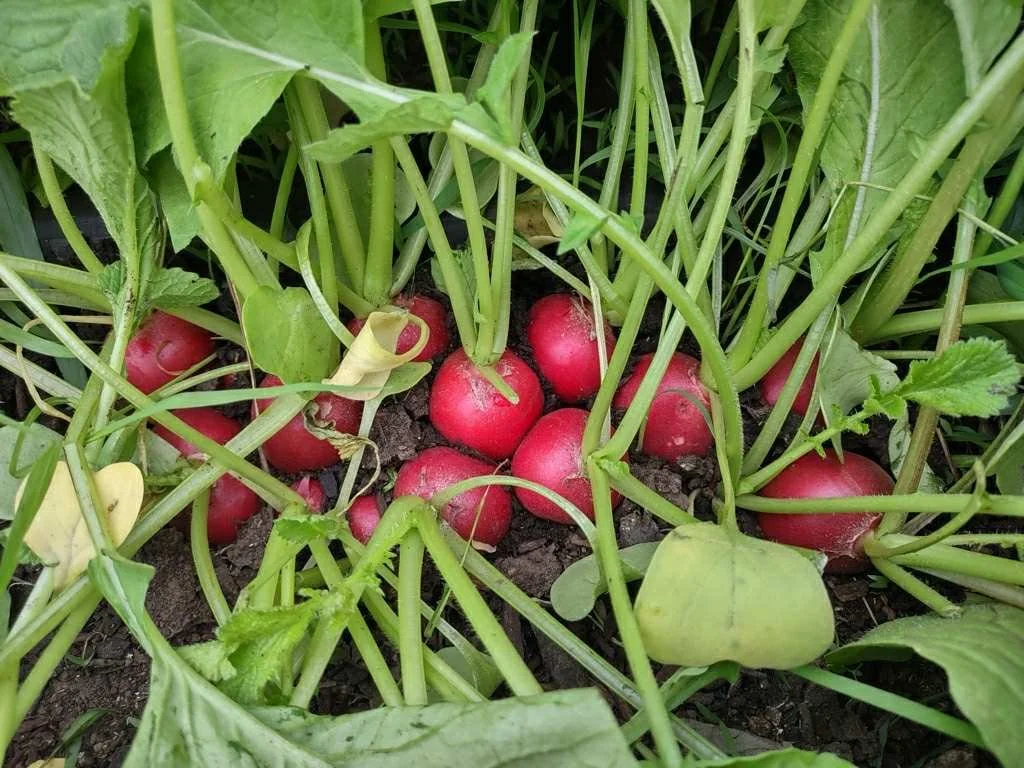
RADISH - Remove the greens from the root. If you choose to keep the greens, wash them and then store wrapped in a damp paper towel in a bag. Place in the crisper of the refrigerator. The root can store up to two weeks in the fridge in a plastic bag. Wash before use. $5
HERBS - Rosemary - You have a couple of options to store Rosemary. First, place the rosemary sprigs in a large mason jar or glass of water, just like you would with a bouquet of flowers. You can set this on the counter, and it will last a few days this way. Second, you can take a slightly damp paper towel and wring out any excess water (should be damp but not soaking wet). Wrap the damp paper towels around the rosemary sprigs. Put the paper towel wrapped rosemary sprigs into the ziplock baggie and seal it, ensuring there is no air inside. Store the bag in the refrigerator and it can last for up to two weeks $2.50
Veggie of the Week
Butternut Squash
Photo Credit: Johnny Seeds
I’m so excited for fall squash! Butternut squash is such a versatile crop and can store for long periods of time under the right conditions. Butternut is a nutritional powerhouse packed with flavor. Butternut squash is rich in vitamins A and C. These nutrients boost your immune system and promote healthy skin. It’s also high in fiber, aiding digestion and keeping you full longer, plus it’s low in calories. You can roast it, puree it, or add it to soups. Its sweet, nutty flavor pairs well with spices like cinnamon and nutmeg. Try it in salads, pasta, soup or as a side dish. A great dish to add butternut too is pasta and herbs pair in so well! Butternut will store for sometime out of direct light on your counter. You can save it for a cooler day.
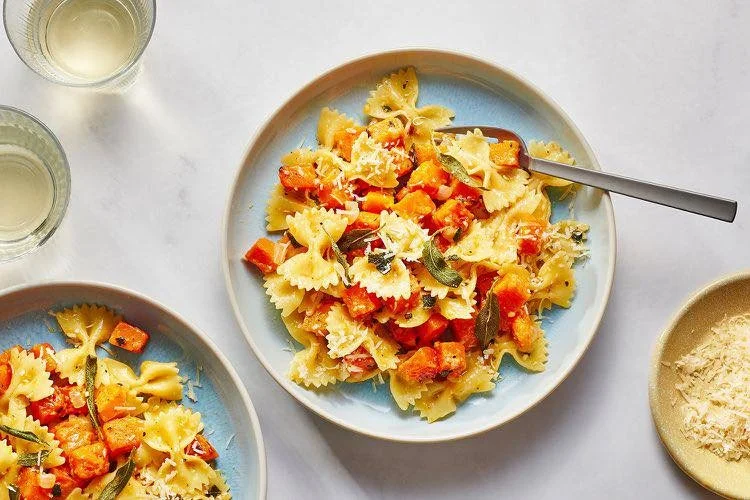
Photo Credit: The Spruce Eats
This recipe will use many options in your bag this week, I apologize that we will not be able to provide the garlic (crop failure this year). It is simply and easy, which is something we love in our household!
Butternut Squash and Pasta With Sage Recipe (thespruceeats.com)
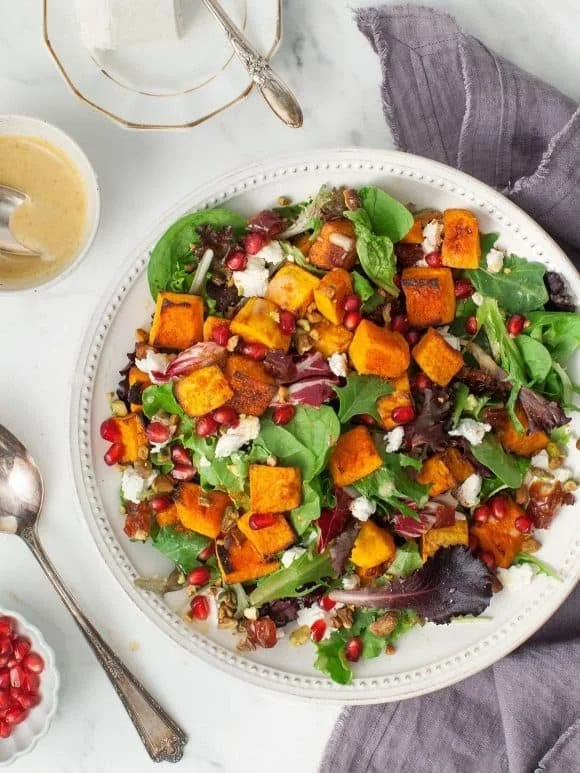
Photo Credit: Love and Lemons
This recipe looks yummy! My mother made something similar not that long ago and it was delicious. Might add a little grilled chicken too. I know it is a more complex, but want to wow dinner guests or your family this week? Try this!

Photo Credit: Love and Lemons
. This is going to be something I try in the coming weeks as the cooler weather sets in. Super simple in a blender and then warmed over the stove. Using vegetable broth instead of cream makes it an option for our vegan families. If you have been saving your vegetable scraps or have made homemade vegetable broth from your summer CSA this is the time to put the broth to use. It also uses fresh sage and rosemary. Pair this with fresh crusty loaf of bread or better yet eat in a bread bowl!
Butternut Squash Soup Recipe - Love and Lemons
This is a side dish that incorporates apples, which you also received this week. Pairs great with baked or roasted chicken. Want to be fancy, try marinating lamb chops with rosemary, garlic, olive oil…. well I’ll put the recipe here, Garlic & Rosemary Grilled Lamb Chops - Delish D'Lites (delishdlites.com). Add the squash apple bake as a side or the soup would be delicious paired with a salad…yum!
Butternut Squash and Apples Recipe - Roast 'em up! - Pip and Ebby
Additional Recipes
Cracker Barrel Copycat Skillet Fried Apples - Feels Like Home Blog
Sauteed Zucchini Recipe – WellPlated.com
Air Fryer Zucchini | Air Frying Foodie
Quark and Eggplant Dip - this recipe is delicious! We found quark cheese at Hemme Cheese. I would check the cheese store in Sweet Springs. We got ours from Hemme at the market in Columbia. I’m telling you, you wont regret this dip and a nice bread to go with it.
What’s Been Happening Here
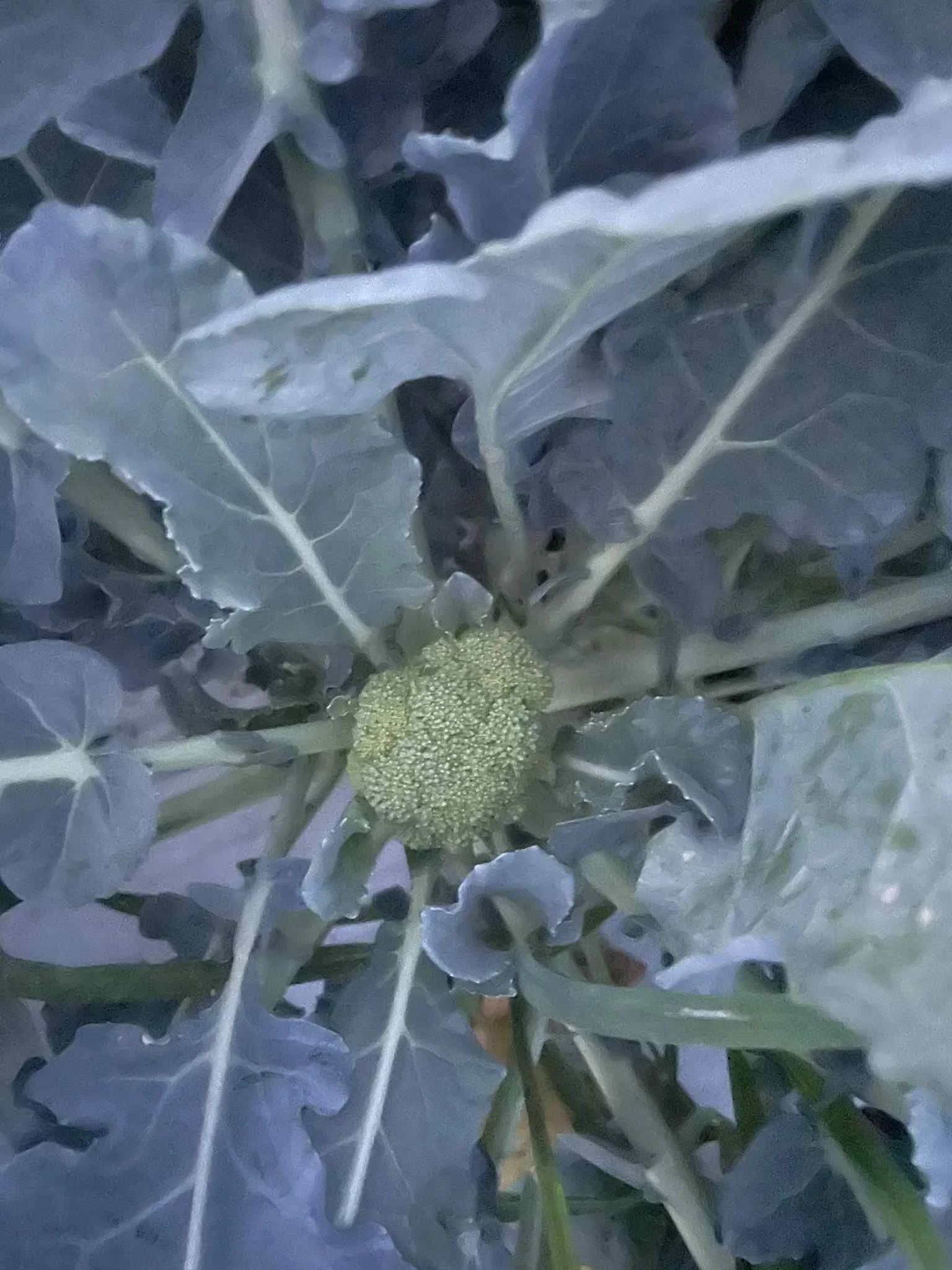
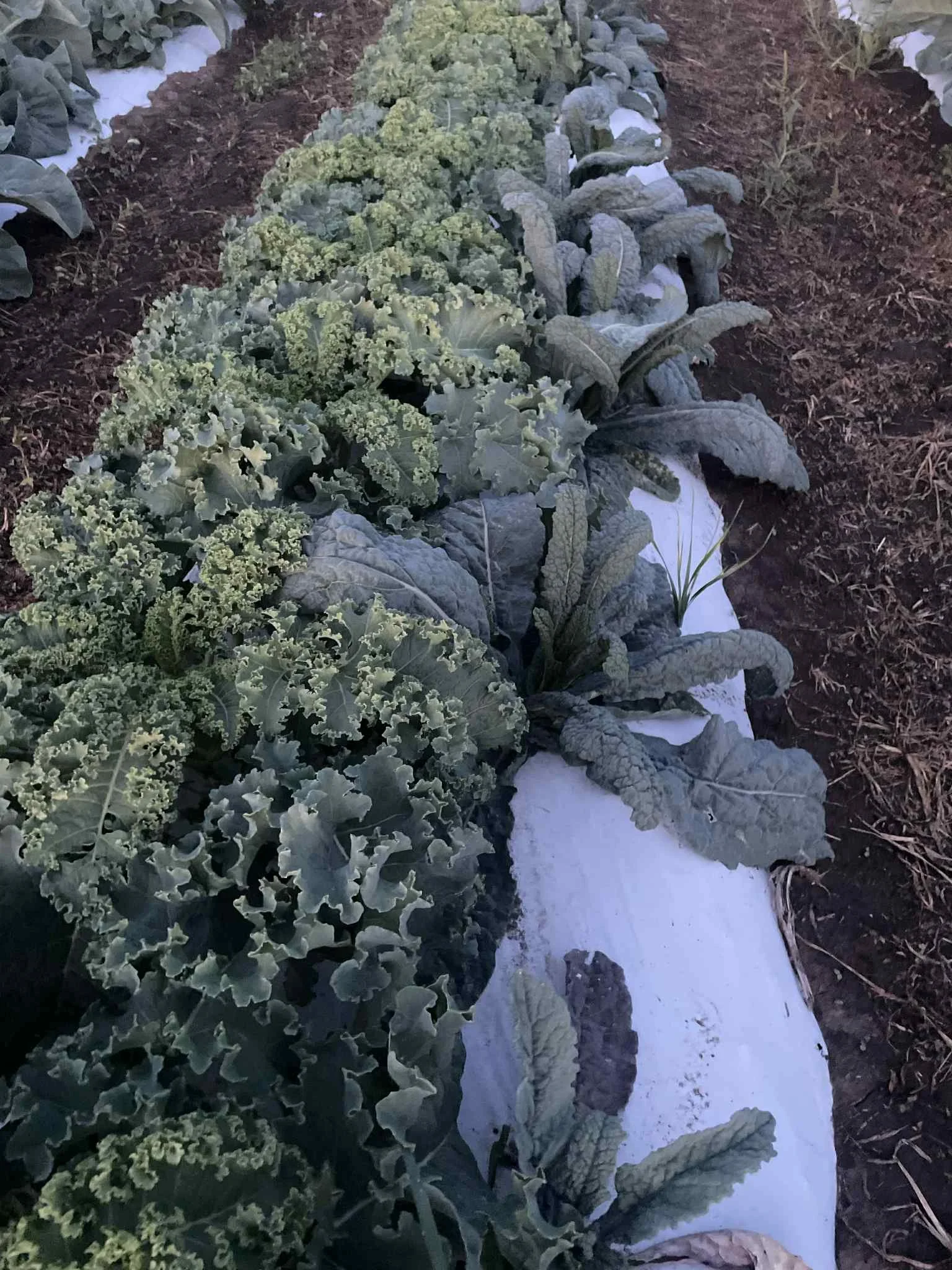
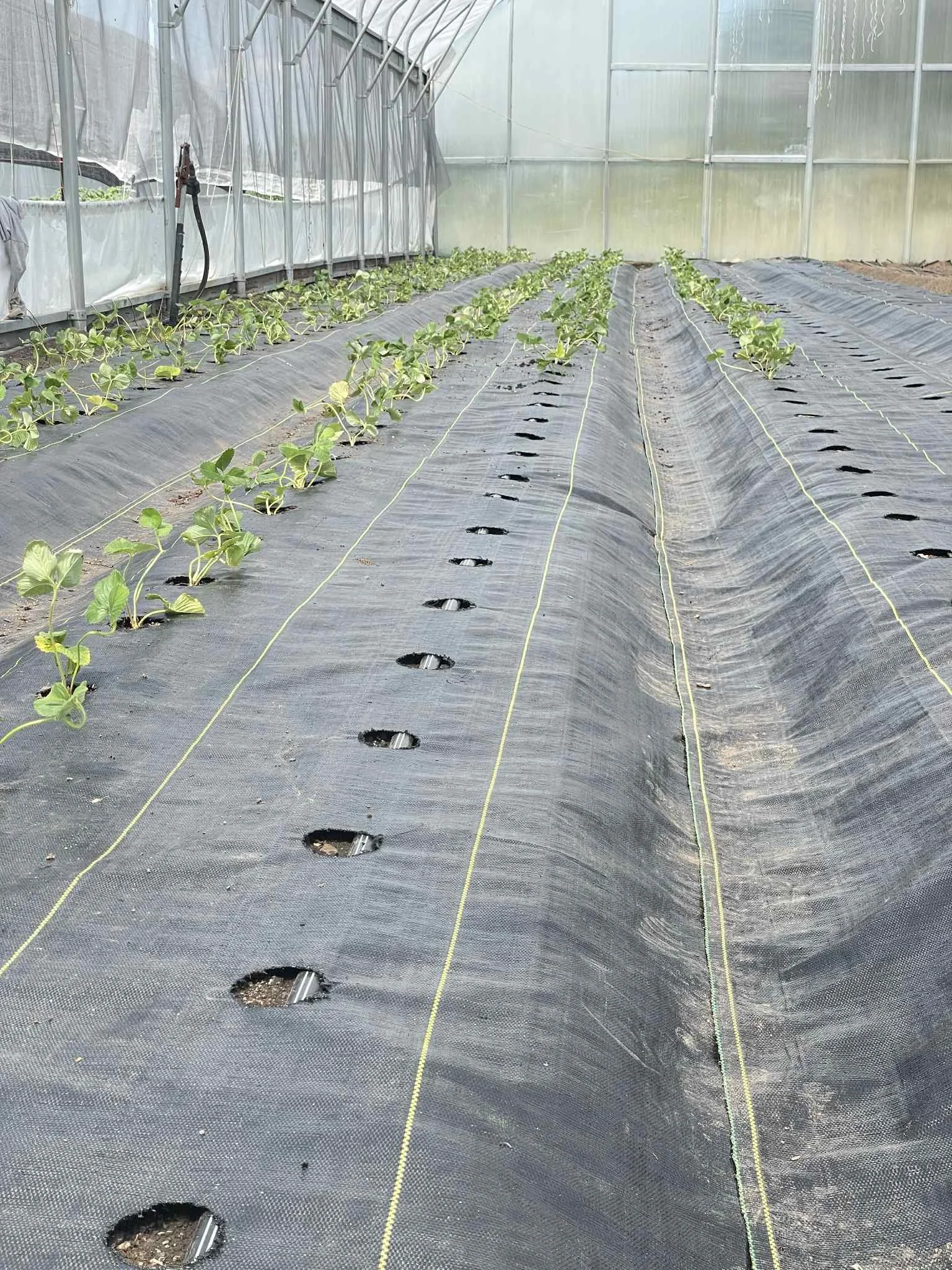
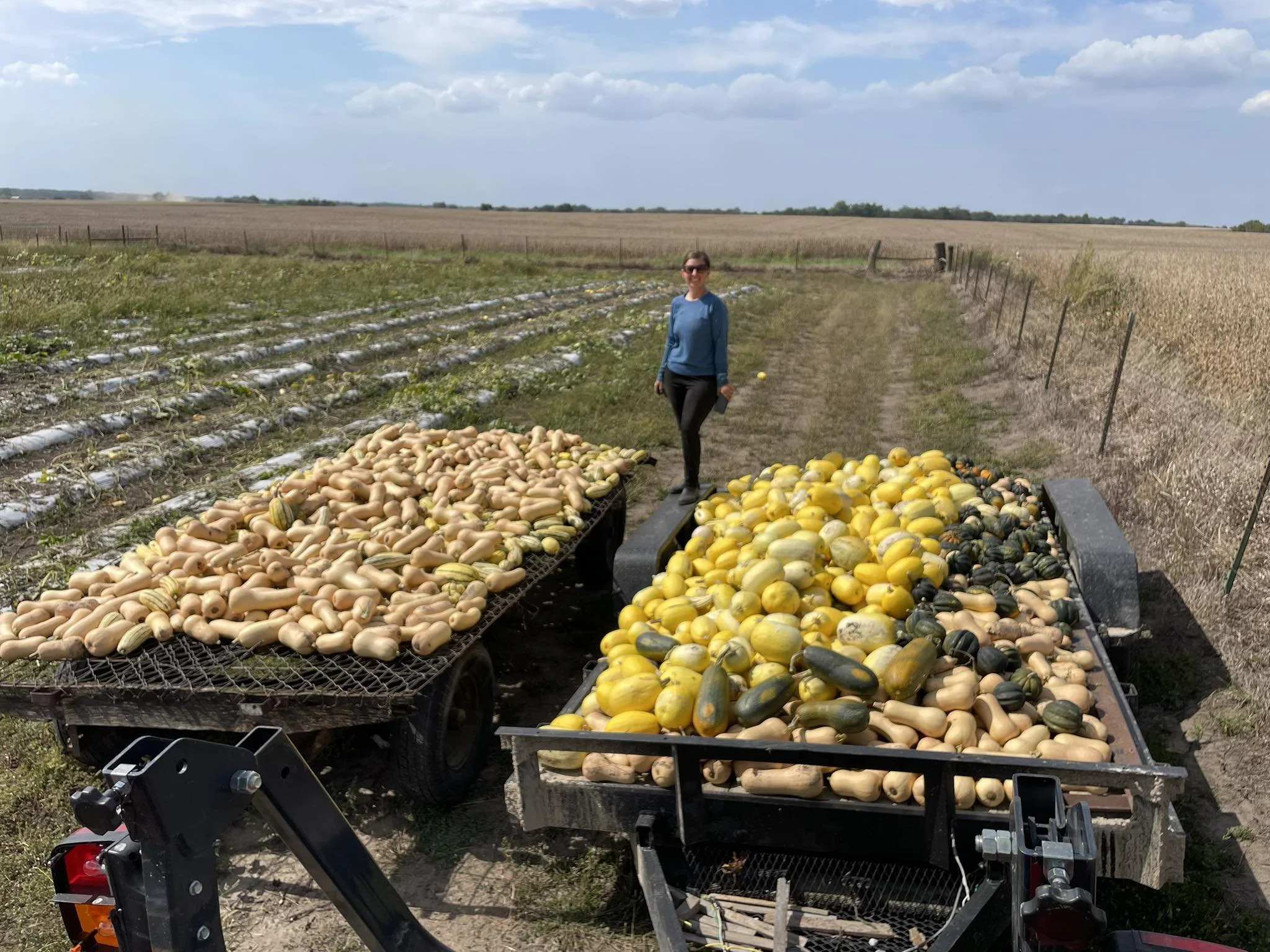
We are still taking our final steps to prepare for fall/winter. All of our strawberry plugs have been in for a couple of weeks. We have had minimal die back and are hoping for a full house of strawberries next April. Our first fall brassicas are slowly starting to produce. Curly and Dinosaur Kale is ready for harvest and broccoli should be soon behind. This week we are hoping to get our, almost one acre patch of winter squash picked and put up to cure for the next couple of weeks. Sweet Potatoes are so close to harvest and we will start pulling them nest week to also cure and put up. We will then place them in a root cellar type cooler to stay until we pull them out through out the winter to sell. We are also seeding our arugula, spinach, second round of turnips and our continual supply of lettuce transplants to keep up through the final summer markets and into the winter market. I know we are “slowing down” but it hasn't totally felt like it so far!
We are still in the final stages of preparing for the upcoming fall and winter seasons. Our strawberry plugs have been planted for a couple of weeks now, and luckily, we’ve experienced minimal dieback. We’re hopeful for a great harvest of strawberries next April. This fall, our first batches of brassicas are gradually beginning to produce; both Curly and Dinosaur Kale are ready for harvest, with broccoli following closely behind.
This week, our goal is to harvest nearly an acre of winter squash and cure it over the next few weeks. Our sweet potatoes are also very close to being ready; we plan to start harvesting them next week, cure, and store them for later. Once cured, they’ll be kept in a root cellar-like cooler, allowing us to sell them throughout the winter season.
Meanwhile, we’ve been planting new crops such as arugula, spinach, a second round of turnips, and maintaining a steady supply of lettuce transplants. This ongoing effort ensures we have fresh greens to support both our late summer and winter markets.
Although it may seem like we’re starting to wind down, honestly, it doesn’t quite feel that way just yet!
If All Else Fails
If your week has been crazy and you haven’t had time to do a thing with items in your bag, focus on these tasks:
Lettuce will store for at least 7 days. We wash and spin dry your lettuce one time. You should wash and dry again before consumption. Keep in mind moisture leads to spoilage. You can wait to wash your greens until you plan to consumer them. Place greens in an airtight container such as a bag or Tupperware.
Rosemary can freeze. Wash sprigs thoroughly and dry them well. Leave the leaves on the stem and arrange the sprigs on a baking tray so that the individual stems do not touch − this prevents the stems from freezing together and makes it easier to remove individual sprigs later. Place the baking tray in the freezer for a few hours to freeze the rosemary sprigs. Once frozen, transfer the rosemary sprigs to a freezer bag and store them in the freezer. Frozen rosemary can be stored for a year or more. Frozen rosemary sprigs do not need to be defrosted before cooking
Store Rosemary in a plastic sandwich bag with a little it of water in the bottom.
Zucchini can be shredded and frozen as well.
Apples can store in your crisper for weeks without problem.
Winter squash will also store for weeks if not months if kept in a cool, dry space away from direct sunlight.
Keep eggplant out at room temperature and try to use them soon after, as eggplants don’t do well in the cold. If you do need to store them for longer, place in an unsealed bag or container, and then keep in the crisper drawer
Next Week’s Possibility’s
Your bag next week will include 6-7 of the following depending on availability and if it’s ready to harvest.
apples
potatoes
onions
sweet potatoes
delicata squash
bell peppers
Other peppers (poblano, jalapeño, anaheim, banana, etc.)
Fairy Tale Eggplant
traditional eggplant
cherry tomatoes
slicing tomatoes (heirloom or red slicing type)
butternut squash
spaghetti squash
acorn squash
zucchini
yellow squash
herbs (rosemary, sage, oregano, parsley)
green beans (BIG MAYBE)
Wishing you a fantastic week ahead, see you next week!
Fall CSA Newsletter: Week 1
It’s Week One
Welcome! We are excited to have you for our Fall CSA, we appreciate your support and trust in us.
As everyone who has signed up is a veteran CSA member we will skip the new member information and get right to what everyone wants this week a short and sweet newsletter!
In Your Box This Week and How to Store Them
CANDY ONIONS (red and white) - Store in the refrigerator crisper drawer for up to one week. You can peel off layers that become dry or slimy if used after one week. These won’t be quite as large as the goliaths we have sent previously. 1lb $3.50
GOLDEN DELICOUS APPLES - I prefer to pick this variety a little early, they are still mildly tart but also sweet, which is perfect. You can display on your countertop, but they'll only last between 1 and 2 weeks, depending on the variety and room temperature. Apples in the fridge last from 2 weeks to several months. 2.75lbs $5.50
DELICATA SQUASH - Winter Squash is best stored between 55-65 degrees, however, Delicata squash does not store quite as well as heartier varieties like Acorn and Butternut. Place in a cool dry room in your house (do not refrigerate) and it should last 2 months. $4 (2lbs)
MIXED LETTUCE - Store in a plastic bag loosely in your refrigerator. The ideal temperature for storing lettuce is at or near 32 degrees. Wash prior to use. Lettuce stores normally for UP to two weeks. $5
TOMATOES- The best way to keep summer tomatoes fresh and full of flavor, store them on the kitchen counter at room temperature and turn them shoulders down. 60 to 65° is an ideal temperature for storing and we recommend placing your tomatoes out of direct sunlight. 1.5lb $6
SCARLETT RED TURNIPS - cut off tops immediately. Store the roots in a bag in your refrigerator. Before use wash your beets., you can peel them with a knife or peeler, or you can roast them in foil or boil them, and the peels will come right off. Turnips do not require you to peel them, but you should use prior to use. $6
Veggie of the Week
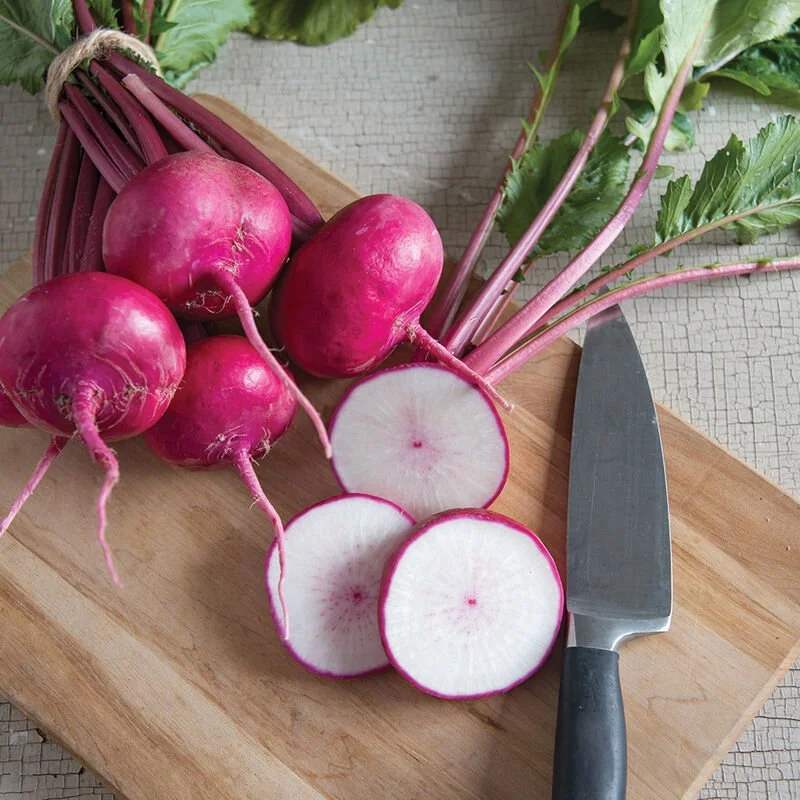
Photo Credit: Johnny Seeds
Scarlett Queen Turnips
Beautiful red salad turnips. These slightly flattened turnips have sweet, crisp white flesh and spicy red skin. We like to slice them thinly for salads or roasting them with other root crops, making them a perfect side dish. We haven’t tried pickling them but I have read it turns them into tangy, crunchy snacks.
#1. Raw in Salads
Scarlet Queen turnips have a crisp, juicy texture that makes them a perfect addition to salads. Slice them thinly and toss them with leafy greens, apples, walnuts, and a light vinaigrette for a refreshing and colorful salad. Their slight sweetness balances beautifully with citrus-based dressings.
#2. Roasted for a Caramelized Treat
Roasting enhances the natural sweetness of turnips while giving them a slightly crispy exterior. Try this simple recipe:
Ingredients:
– 4 Scarlet Queen turnips, peeled and cubed
– 2 tbsp olive oil
– 1 tsp salt
– ½ tsp black pepper
– 1 tsp fresh thyme (optional)
Instructions:
1. Preheat the oven to 400°F (200°C).
2. Toss the cubed turnips with olive oil, salt, pepper, and thyme.
3. Spread them out on a baking sheet in a single layer.
4. Roast for 25–30 minutes, flipping halfway through, until golden brown and tender.
Cracker Barrel Copycat Skillet Fried Apples - Feels Like Home Blog
Delicata Squash and Sausage Gratin – Kalyn's Kitchen (kalynskitchen.com)
Homemade Caramel Apples - Sally's Baking Addiction (sallysbakingaddiction.com) (something fun for the kids this week!)
Roasted Delicata Squash
2 pounds of delicata squash
2 tablespoons olive oil
1 teaspoon kosher salt
½ teaspoon ground black pepper
2 tablespoons fresh orange juice
2 tablespoons maple syrup
Instructions
Preheat oven to 400 degrees F. Line large rimmed baking pan with parchment paper.
Trim stem end from each squash, then cut each squash in half lengthwise and scoop out and discard seeds and pulp. Cut squash halves crosswise into 1-inch slices.
Place squash slices in large bowl. Drizzle with oil and sprinkle with salt and pepper. Toss until well combined.
Place squash slices on prepared pan in even layer. Transfer to oven and roast 22 to 24 minutes or until tender, turning once halfway through cooking once the side that is down has turned brown.
Meanwhile, in small bowl, stir together orange juice and maple syrup.
When squash is tender, spoon juice mixture over squash and return to oven for 2 minutes. Serve immediately.
A few notes:
If you choose to peel winter squash, it is much easier to remove it after it has been baked. The roasting process of the squash allows the skin to lift off in the oven. Otherwise, the process can be difficult. If peeling before baking is necessary for your recipe, a sharp potato peeler should do the trick but may yield less squash than the former method. Honestly, when I roast my delicata we eat it skin and all.
To achieve even roasting, it is very important to arrange the squash slices in an even layer on the baking pan. If you need two pans, use two pans.
I prefer to roast with olive oil, salt and pepper. That’s it. I find no reason to add the extra glaze. It adds calories that I don’t need and I find the squash to be sweet enough as it is.
ENJOY!
What’s Been Happening Here
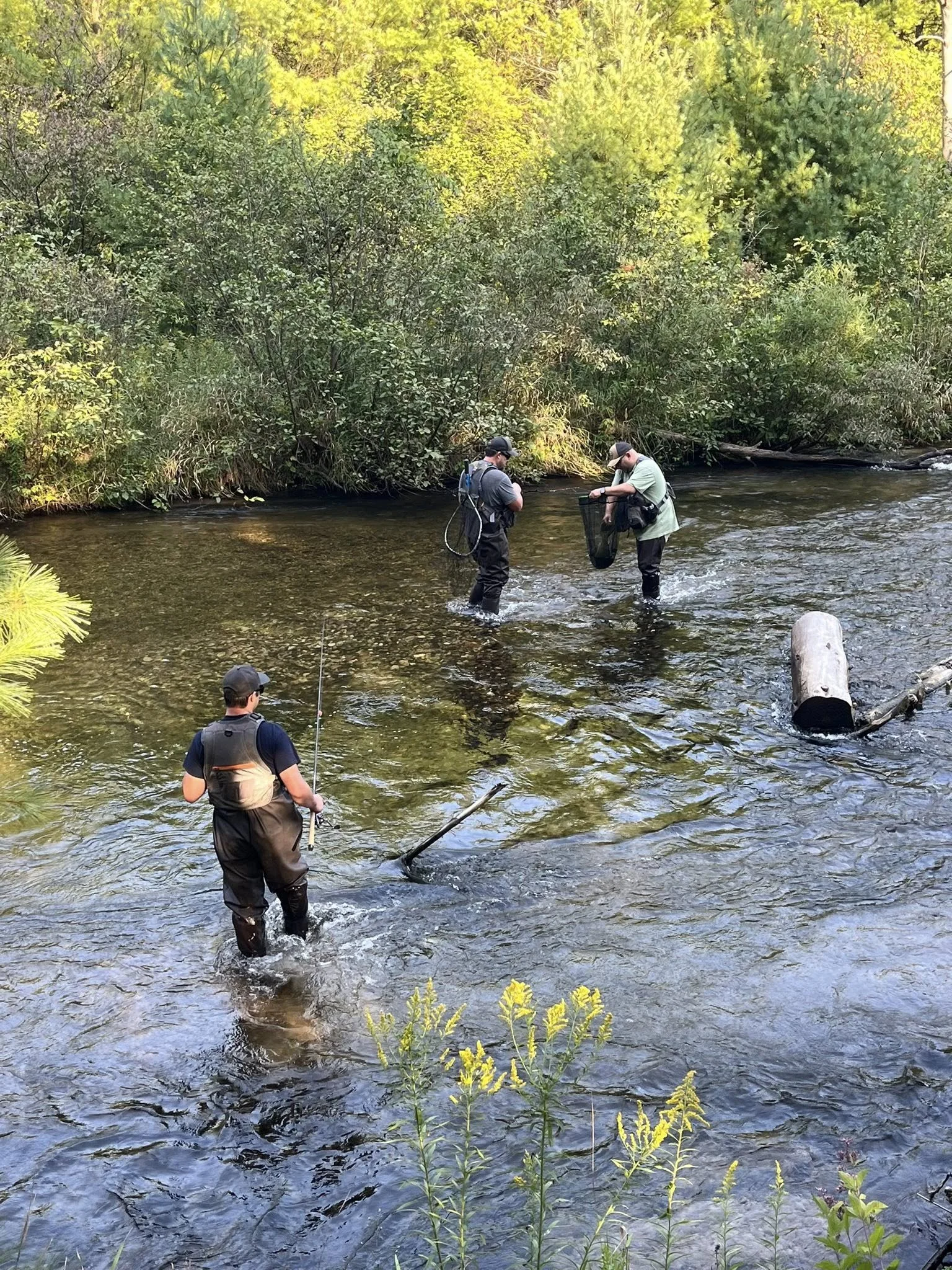
Overall the last several weeks, since our summer CSA has ended, we have been busy trying to play catch up prepping the farm for fall, harvesting SO SO much winter squash and of course continuing to attend farmers markets. We also went to the state fair for a day, starting school and we were able to sneak a fun boys trip to Michigan to do a little bit of salmon fishing. Matt was able to go with his dad, our oldest two boys, my brother and dad. It was a well deserved break and a good time had by all.





If All Else Fails
If your week has been crazy and you haven’t had time to do a thing with items in your bag, focus on these three tasks:
I’m leaving this blank this week. It’s the first week and we better be using everything we sent!
Next Week’s Possibility’s
Your bag next week will include 6-7 of the following depending on availability and if it’s ready to harvest.
apples
potatoes
onions
sweet potatoes
delicata
bell peppers
Fairy Tale Eggplant
cherry tomatoes
slicing tomatoes (heirloom or red sclicers)
butternut squash
spaghetti squash
acorn squash
zucchini
herbs (rosemary, sage, oregano, parsley)
Wishing you a fantastic week ahead, see you next week!
Summer CSA Newsletter: Week 12
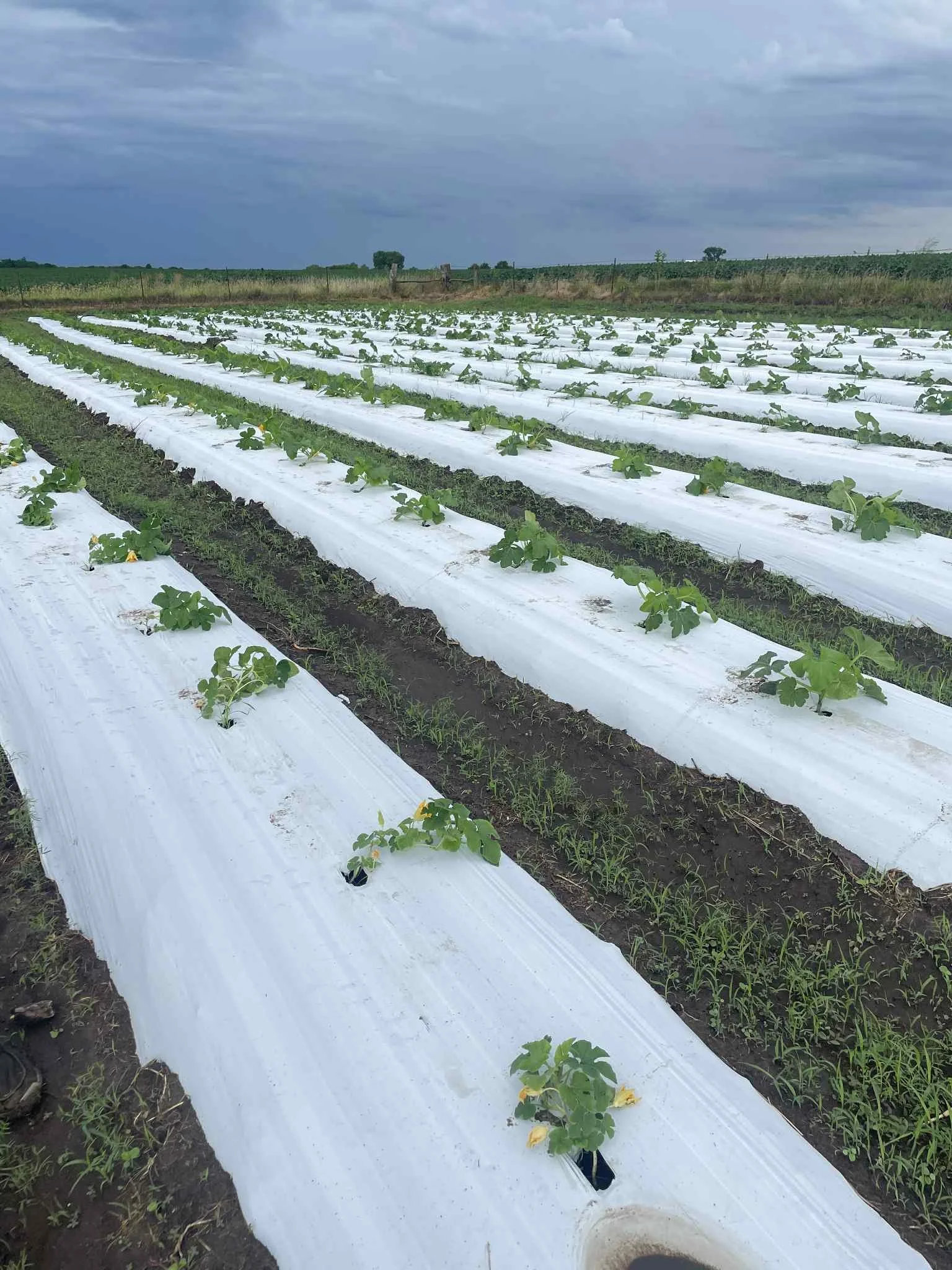
Winter squash is taking hold!
WHATS IN YOUR BOX THIS WEEK AND HOW TO USE IT
CANDY ONIONS (red and white) - Store in the refrigerator crisper drawer for up to one week. You can peel off layers that become dry or slimy if used after one week. These won’t be quite as large as the goliaths we have sent previously. $5.00
HEIRLOOM TOMATOES- The best way to keep summer tomatoes fresh and full of flavor, store them on the kitchen counter at room temperature and turn them shoulders-down. 60 to 65° is an ideal temperature for storing and we recommend placing your tomatoes out of direct sunlight. NOTE: Heirloom tomatoes are not as shelf stable as red slicers. They will be softer, which is okay, but they will go bag quicker than the others. We DO NOT recommend putting them in the refrigerator to try to prolong shelf life, they will lose flavor. 2 pounds $9
CARROTS - Store carrots in the refrigerator in a plastic bag or container. Cut tops off prior to storage. They can store for several weeks and sometimes even months $5
PARSLEY - Trim a little off of the bottoms of the stems so that they can take in more water. Fill a jar or glass partially with water and set the parsley inside. An inch or two of the stems should be submerged. Cover the jar of herbs loosely with a plastic bag. Store in the refrigerator. Change the water when it becomes cloudy every few days $2.50
SUMMER SQUASH-Wash, thoroughly dry, then wrap your cucumber in a dish towel or paper towel, place in an unsealed plastic bag to allow some airflow and place them in the crisper drawer. Can store for up to 10 days. Storing zucchini in the fridge is a quick and simple way to keep zucchini fresh. Keep the zucchini whole until you're prepared to use it, avoid washing zucchini prior to storage. $2
GARLIC - Store on your counter in a cool, dry place with indirect sunlight. Will store for months this way. $2.50
EGGPLANT -store away from direct sunlight and use it as soon as possible after harvesting or buying. You can place it in a vented bowl, but avoid sealing it in a plastic bag, which can increase decay. Eggplant is not a cold loving vegetable but, if you want to keep it in the refrigerator do so in the warmest place in the refrigerator and keep lightly covered. Eggplant will remain fresh for 2-4 days. $5
HEIRLOOM TOMATOES
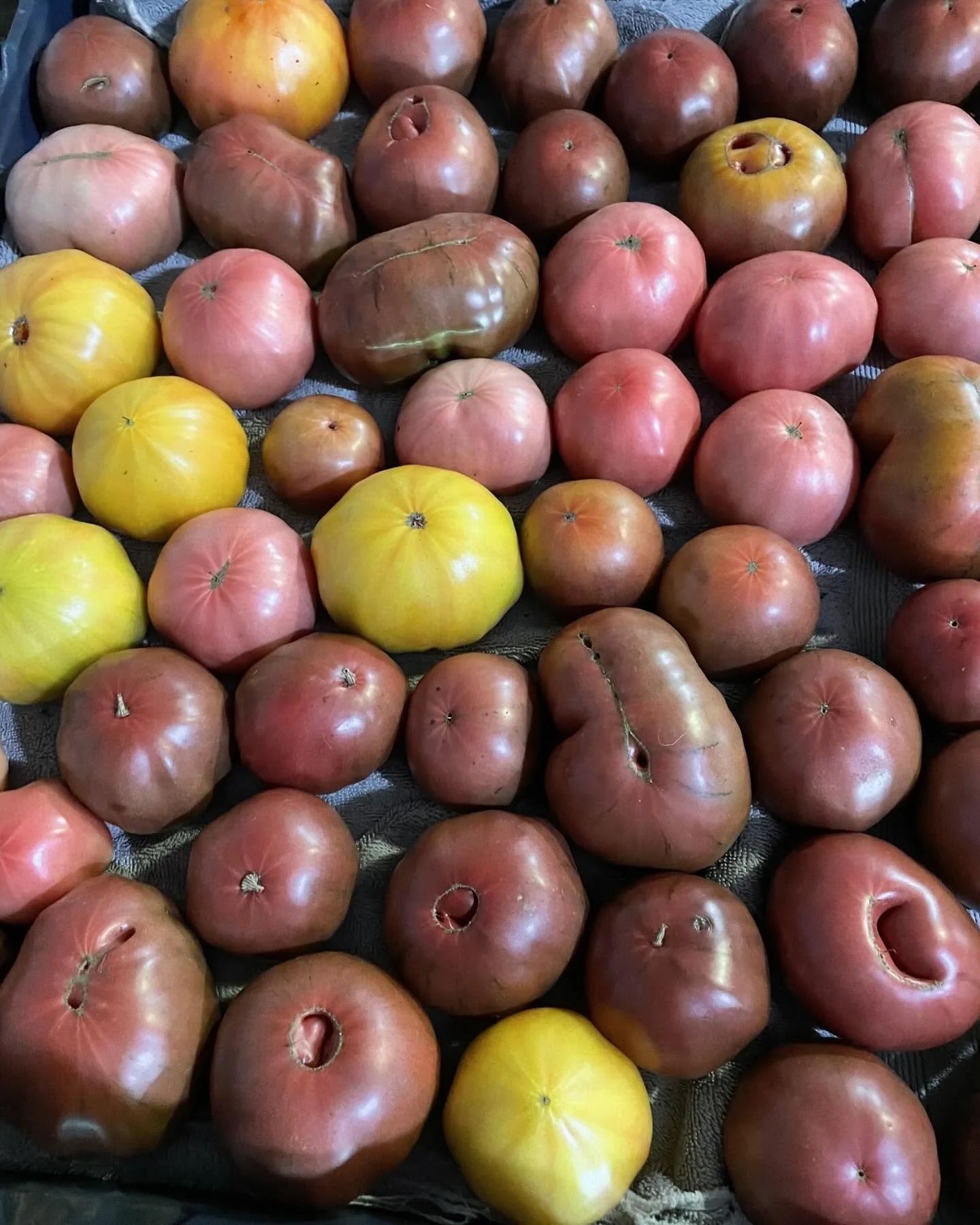
Heirloom tomatoes are truly the original variety, thoughtfully passed down through generations and renowned for their exceptional flavor. These vibrant fruits come in an array of colors, shapes, and sizes, making them a favorite! What makes heirloom tomatoes so special is their taste. Unlike mass-market hybrid varieties designed for longer shelf life or uniform appearance, heirlooms are cultivated primarily for their rich sweeter flavors and low acidity.
While heirloom tomatoes may not always resemble the perfectly round, uniform tomato found on supermarket shelves, their unique shapes, occasional cracks, and imperfections are a testament to their authenticity and natural beauty. They are more delicate and require gentle handling, but the effort pays off with every bite. We love them sliced on a sandwich, sprinkled with a bit of salt and pepper on their own, or used in a classic Caprese Salad.
If you happen to come across these stunning tomatoes at a farmers’ market, keep in mind the hard work that farmers put into growing them. They may not always be inexpensive, and their appearance can vary from the perfect to the perfectly imperfect, but that only adds to their charm. Next time heirloom tomatoes are in season, don’t hesitate to grab them—you’ll be glad you did!
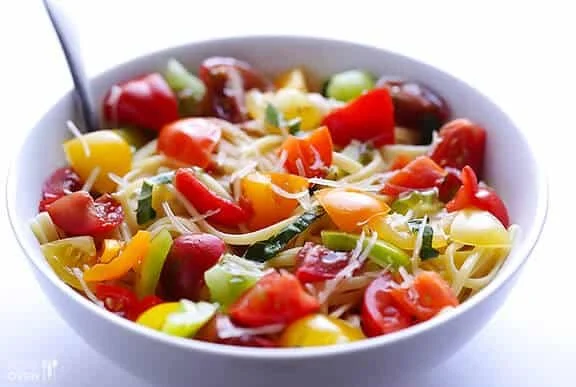
Photo Credit: Gimme Some Oven
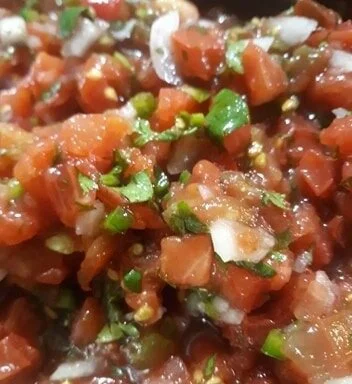
Another great treat we love with heirlooms is chunky salsa. Heirlooms add a great, less acidic flavor to salsa.
Fresh Pico de Gallo Recipe (inspiredtaste.net)
We also like using flatbread, pizza sauce, fresh mozzarella, basil and cherry or heirloom tomatoes for an easy lunch or dinner.
Caprese Flatbread - thechowdown (thechowdownblog.com)
A few others to try:
Heirloom Caprese Pesto Toast – The Dancing Cookbook
Heirloom Tomato Pasta - Gimme Some Oven - this looks yummy!
New this week is not only heirloom tomatoes but also eggplant. Medium size eggplant are a new crop for us this year and they have done quite well. I’ve included a couple recipes above to get you started with them.
Ratatouille - this looks delicious and will use eggplant, summer squash and tomatoes. You can sub Heirlooms for Roma tomatoes.
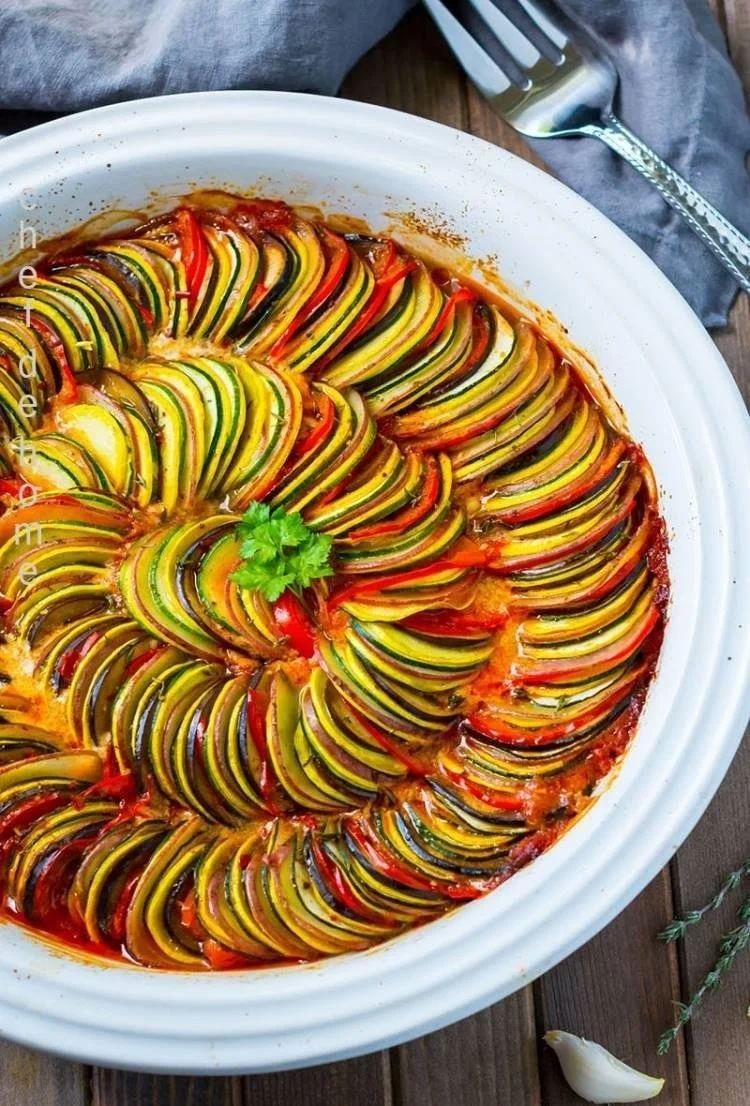
Photo Credit: Chef de Home
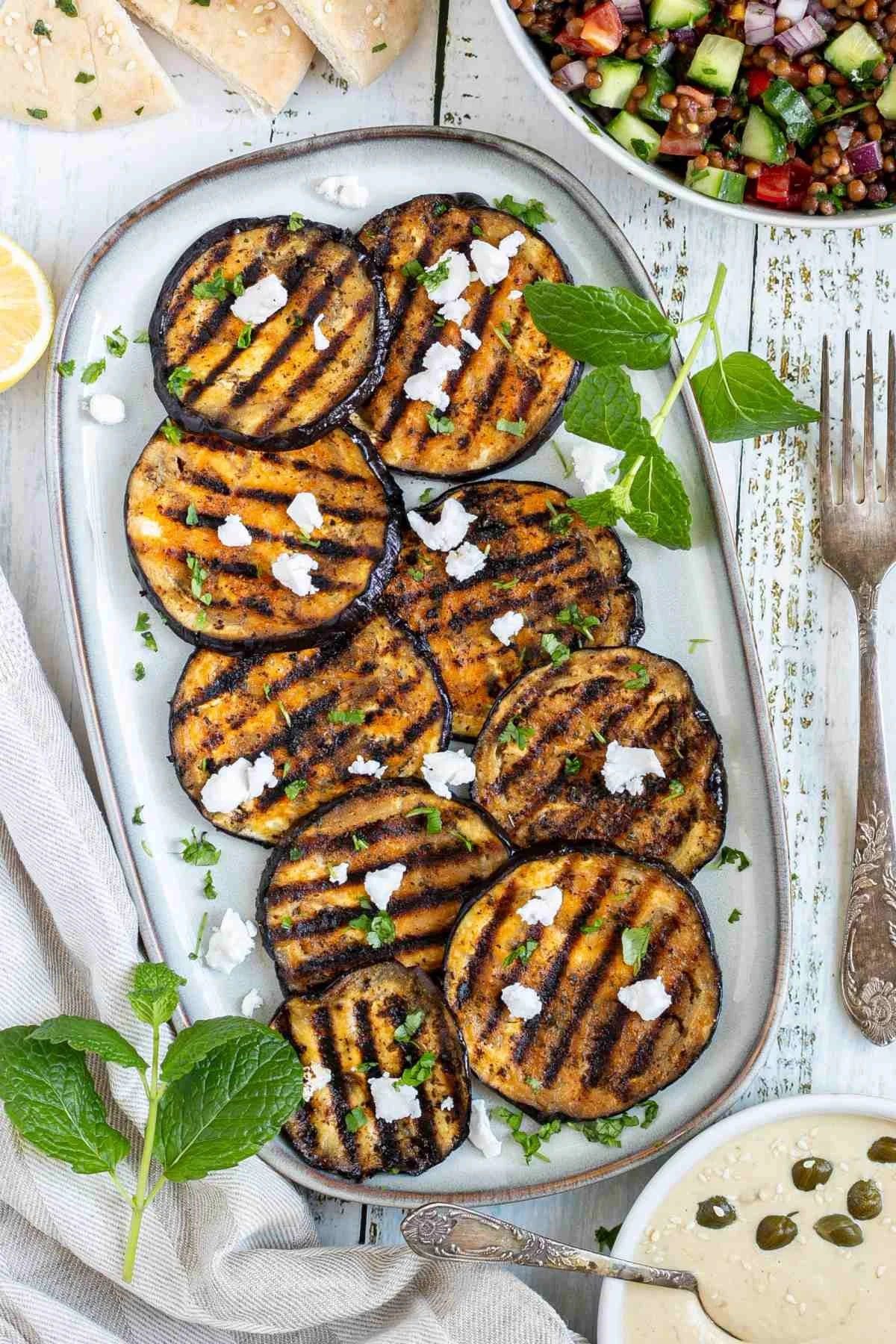
Photo Credit: My Pure Plants
Week 12
Welcome to week 12. We hope that you enjoyed your bag last week and that you were able to utilize all the items we packed for you.
As you all know, this is the last week of our Summer CSA season. It’s amazing how quickly the 12 weeks have flown by, something we find ourselves remarking on each year at the close of the season.
Last year, we were already gearing up for a fall CSA, but this year, things are a bit uncertain. Due to Matt’s surgery in the middle of summer, our schedule has been impacted, and we’re unsure whether we’ll be offering a fall CSA this season. Over the next two weeks, we’ll be making our final decision, and we will share our plans via email once everything is settled.
We want to take this moment to thank you sincerely for supporting our small family farm. Your encouragement and trust mean everything to us. It’s because of you that we’re able to continue doing what we love—growing fresh, locally sourced produce for our community. As a small family operation, each purchase you make has a significant impact, helping us keep our farm running smoothly and sustainably.
We understand the trust you place in us when you choose to receive our weekly delivery of fresh, local produce. We are committed to never letting you down and take pride in cultivating high-quality fruits and vegetables. Your support enables us to invest in our farm’s infrastructure, so we can continue expanding and providing even more local produce in the future.
From Matt and I, we thank you for being a vital part of our journey. Your support helps us grow not just our farm, but also our community. We truly appreciate each and every one of you!
IF ALL ELSE FAILS
If your week has been crazy and you haven’t had time to do a thing with items in your bag, focus on these tasks:
You can freeze onions. I love to chop them up and store in portions of zip lock bags. Perfect for winter soups, stews and etc. After freezing, the texture changes somewhat and they are softer so not great for fresh eating.
Freezing tomatoes is the easiest way to keep ripe tomatoes until you're ready to use them. You don't have to peel them first—in fact, the act of freezing them itself makes the tomatoes very easy to peel and you can freeze as many or as few at a time as you like. Visit this link for directions on how to do this, How to Preserve Tomatoes to Enjoy All Year
Greens such as carrot tops or other veggie scraps can be saved and used for homemade vegetable broth. Try this recipe: How to Make Vegetable Broth Using Saved Kitchen Scraps ~ Homestead and Chill
Carrots will store well in your crisper drawer with their tops off.
Zucchini can be shredded and frozen if you are unable to use it this week. How to Freeze Shredded Zucchini | Cooking School | Food Network
Wishing you a fantastic week ahead! We hope to see you at the farmers market!
Summer CSA Newsletter: Week 11
WHATS IN YOUR BOX THIS WEEK AND HOW TO USE IT
CARROTS- If your carrots have the tops on, take them off right away to avoid limp carrots. The tops like to suck the moisture from the root (carrot) which makes for lifeless carrots. Store carrots in the refrigerator in a plastic bag or container. They can baggie and seal it, ensuring there is no air inside. Store the bag in the refrigerator and it can last for up to two weeks! $5.00
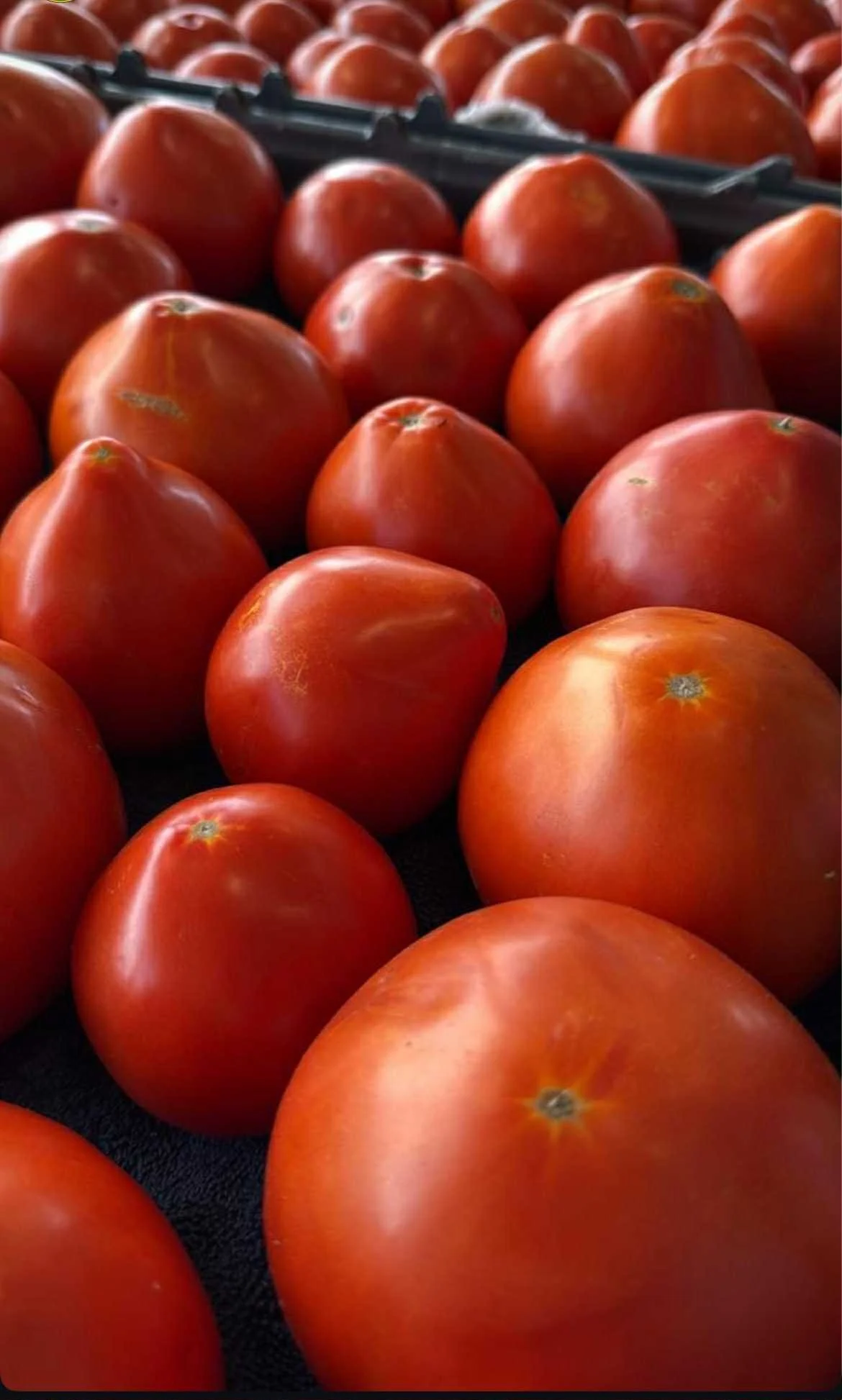
TOMATOES- The best way to keep summer tomatoes fresh and full of flavor, store them on the kitchen counter at room temperature and turn them shoulders down. 60 to 65° is an ideal temperature for storing and we recommend placing your eep in a cool, dry place away from light, like a dark corner of the kitchen or in a cabinet. Also keep well ventilated. Do not store in a plastic bag but you can store in a basket or paper bag. $5 (1.75 Pounds)
NEW POTATOES - Keep in a cool, dry place away from light, like a dark corner of the kitchen or in a cabinet. Also keep well ventilated. Do not store in a plastic bag but you can store in a basket or paper bag. $5 (1.75 Pounds)
CHERRY TOMATOES - Store tomatoes at room temperature for best taste. If tomatoes are refrigerated, remove them from refrigeration about 30 minutes prior to serving to regain some of their original flavor. $5
KALE - Kale loves the crisper drawer. Does well in a loose bag in your refrigerator. Wash prior to use. Stores normally for UP to two weeks. Swiss Chard will become limp and lifeless very easily. Gently wrap unwashed greens in paper towels and store loosely in plastic bags. Keep moist and cool in the lower part of the refrigerator in the high-humidity bin. Store for up to 5 days. but, have no fear you can still use it in lots of things if chard becomes a little lifeless! $5
LETTUCE MIX - Store in a plastic bag loosely in your refrigerator. The ideal temperature for storing lettuce is at or near 32 degrees. Wash prior to use. Lettuce stores normally for UP to two weeks. $5
VEGGIE OF THE WEEK
New Potatoes
New potatoes are delicious and so tender. There are endless possibilities in the kitchen with potatoes. Last night, we enjoyed our first batch of new potatoes, which were both easy to prepare and incredibly tasty. During the season, we prefer to keep our potato dishes simple. A drizzle of olive oil, a dab of butter, a sprinkle of salt and pepper, and roast in the oven at 425 degrees. Pairing these flavorful potatoes with BBQ chicken, fresh sweet corn, and sliced tomatoes on the side makes for a great meal.
We again increased our production this year and doubled what we normally plant in the hope of not selling out by the end of summer like we have in previous years.
Iron Skillet New Potatoes
1 1/2 lbs small red potatoes (cut in half or quartered to make 3/4-inch thick pieces) I leave whole if small enough
1 Tbsp unsalted butter
2 Tbsp olive oil
Salt, to taste
Black pepper, to taste
2 Tbsp chives or green onion, chopped, plus more to garnish
Pre-heat oven to 425 degrees. Take a large skillet and add 1 Tbsp butter, 2 Tbsp olive oil. and add your Rosemary. Arrange potatoes in the skillet, cut-side-down in one layer. Cook uncovered and undisturbed for 35-40 minutes or until golden brown crust forms on the bottoms.
You can also try the following recipes with your new potatoes:
Boiled New Potatoes with Garlic - Spend With Pennies
Crushed New Potatoes Recipe - Little Sunny Kitchen
Additional Recipes This Week
Oven "Sun-Dried" Tomatoes - Gimme Some Oven
Margherita Pizza Recipe - Love and Lemons - we’ve tried this and YUM!
Garlic Herb Tortelloni — Triple H Family Farms, LLC this one is also a regular at our house!
WEEK 11
We hope everyone enjoyed their bag last week. Can you believe we are in week 11 and next week is the last week? This summer CSA has flown by faster than any previous CSA we have done.
This week my (Kim) family is in town visiting for the week from Michigan. We took them to the rodeo, fishing on the river, swimming, to the water park and of course a stop at the farmers market. We try to get together at least once a year at our farm or on a trip somewhere, everyone always has a good time.
We finished planting all of our winter squash and we will start fall plantings of brassicas likely next week. Tomatoes are still being harvested with full force as are other summer veggies. We are in what we call the “dog days of summer.” The days, the heat, the bugs, the weeds are all plentiful and seem unending but, strangely we look forward to this time of year when we are cuddled up in the cold, brutal winter months.




IF ALL ELSE FAILS
If your week has been crazy and you haven’t had time to do a thing with items in your bag, focus on these tasks:
Make sure the greens are removed from the root vegetables. Your roots will store for a good while, your greens from your root vegetables need to be used or lose them.
Freezing tomatoes is the easiest way to keep ripe tomatoes until you're ready to use them. You don't have to peel them first—in fact, the act of freezing them itself makes the tomatoes very easy to peel and you can freeze as many or as few at a time as you like. Visit this link for directions on how to do this, How to Preserve Tomatoes to Enjoy All Year
Greens such as carrot tops or other veggie scraps can be saved and used for homemade vegetable broth. Try this recipe: How to Make Vegetable Broth Using Saved Kitchen Scraps ~ Homestead and Chill
Kale/Lettuce will store for at least 7-10 days. We wash and spin dry your lettuce one time. You should wash and dry again before consumption. Keep in mind moisture leads to spoilage. You can wait to wash your greens until you plan to consumer them. Place greens in an airtight container such as a bag or Tupperware.
Cherry tomatoes, if you have these left, I’m not sure what to say because they are delicious! Just eat them like candy but if you must, try doing a small batch of sun-dried tomatoes. Oven "Sun-Dried" Tomatoes - Gimme Some Oven
NEXT WEEK’S POSSIBILITY’S
Your bag next week will include 6-7 of the following depending on availability and if it’s ready to harvest.
Carrots
Herbs
Fresh Onions
Tomatoes
Green Tomatoes
Cherry Tomatoes
Kale
Mixed Lettuce
Cucumber
Fairytale Eggplant
Potatoes
Wishing you a fantastic week ahead, see you next week!
As a reminder, please remember to bring back your black bags at pick-up. Thank you!
Summer CSA Newsletter: Week 10
WHATS IN YOUR BOX THIS WEEK AND HOW TO USE IT
FRESH CANDY ONIONS (red and white) - Store in the refrigerator crisper drawer for up to one week. You can peel off layers that become dry or slimy if used after one week. $4
NEW POTATOES - Keep in a cool, dry place away from light, like a dark corner of the kitchen or in a cabinet. Also keep well ventilated. Do not store in a plastic bag but you can store in a basket or paper bag. $5 (1.75 Pounds)
TOMATOES- The best way to keep summer tomatoes fresh and full of flavor, store them on the kitchen counter at room temperature and turn them shoulders-down. 60 to 65° is an ideal temperature for storing and we recommend placing your tomatoes out of direct sunlight. 1.25lb $5
ZUCCHINI/SUMMER SQUASH - Storing zucchini in the fridge is a quick and simple way to keep zucchini fresh. Keep the zucchini whole until you're prepared to use it, avoid washing zucchini prior to storage. 3 x $1 $3
GARLIC - Store on your counter in a cool, dry place with indirect sunlight. Will store for months this way. $2.50
FAILURE TO LAUNCH CARROTS - Store carrots in the refrigerator in a plastic bag or container. They can store for several weeks and sometimes even months $5
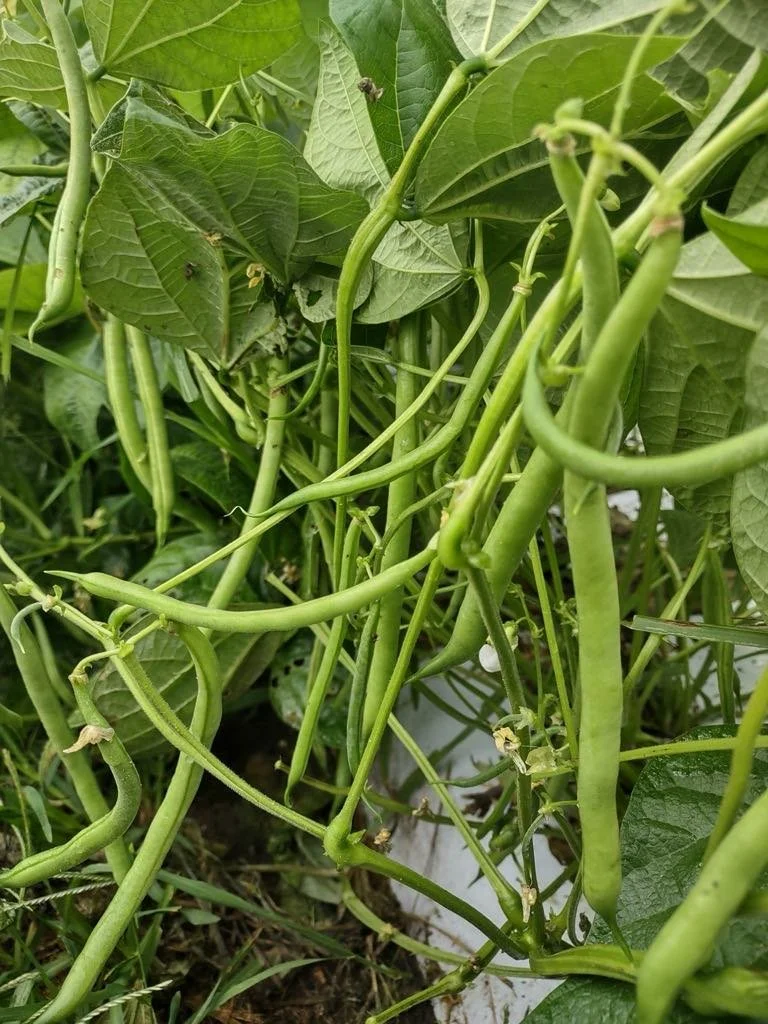
GREEN BEANS - Green beans can store in the bag in your crisper drawer for up to 5-7 days $6 - 1 pound
VEGGIE OF THE WEEK
ZUCCHINI
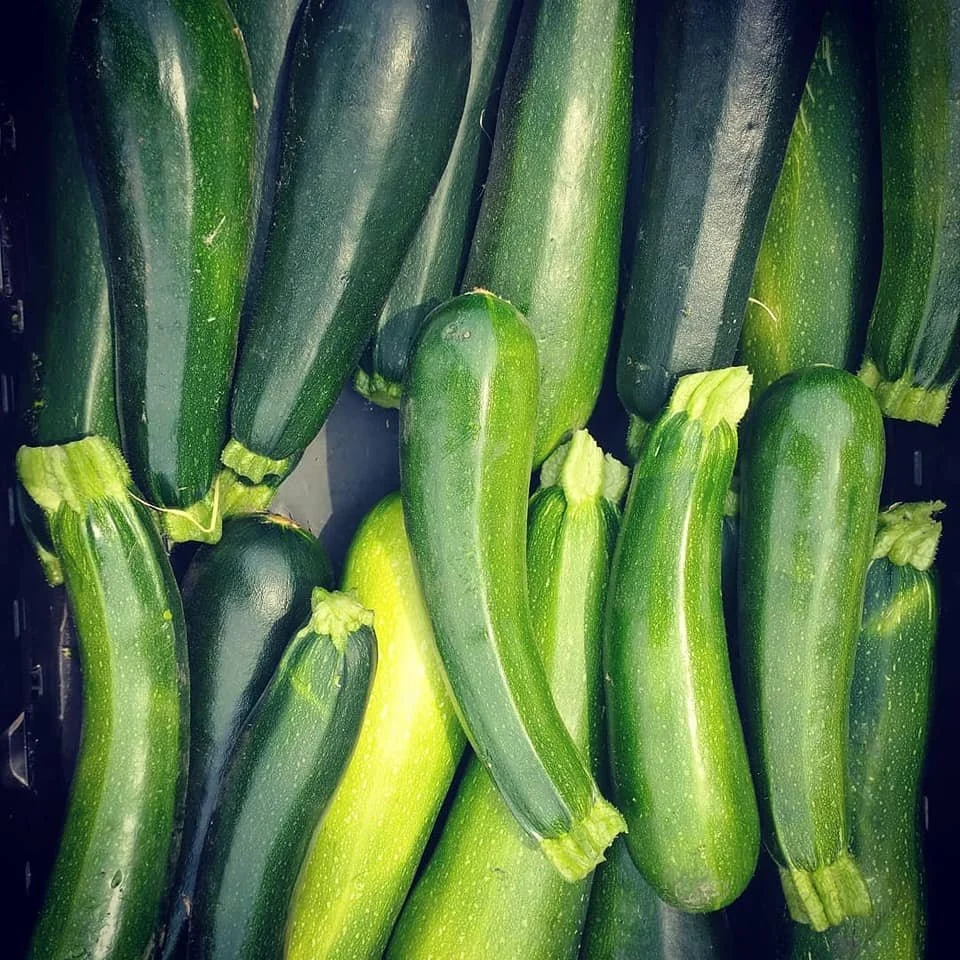
This is one of our staple summer vegetables that is versatile in use and deserves more credit than it is given. In normal summers there seems to be a plethora of zucchini and it can get sort of a bad rap as the gift you can’t get rid of. It seems like every neighbor and grandma can produce loads of zucchini and they like to drop it at every doorstep in the county. Those zucchinis are normally over-sized and limited to its uses.
Zucchini can be added to a sweet bread, quiche, muffins, used as a replacement for lasagna noodles, spaghetti noodles, breaded and friend, or sauteed. I prefer the smaller, younger zucchini due to the high-water content, which is about 95%, the smaller one’s fry and sauté better. I do like the medium size ones for replacement lasagna or for stuffed boats The occasional ones that hide and get overlooked until they are huge, for zucchini muffins or bread.
This week I am giving everyone 2 small zucchini/Summer Squash and 1 larger medium size zucchini. You can try these boats even with medium size zucchini or shred and use it in breads, relish, for zoodles etc.
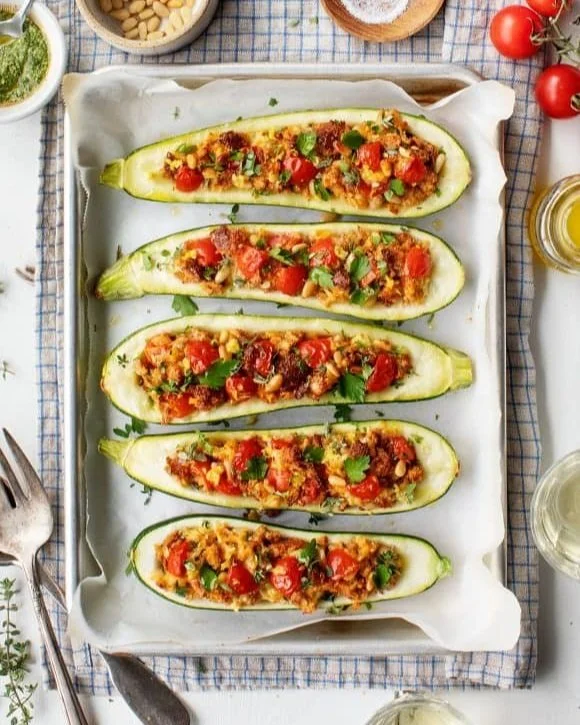
Photo Credit: Love and Lemons

Photo Credit: Dinner at the Zoo
Stuffed Zucchini Boats Recipe - Love and Lemons - this is great for those medium sized zucchini. This is a vegetarian recipe but, you could sub in taco meat and then stuff with all of the taco fixings such as salsa, sour cream, lettuce, cheese and more. YUM!
Stuffed Zucchini Boats - Dinner at the Zoo - this one is full of marinara, Italian sausage, bread crumps, mozzarella! Makes me hungry just typing those ingredients out!
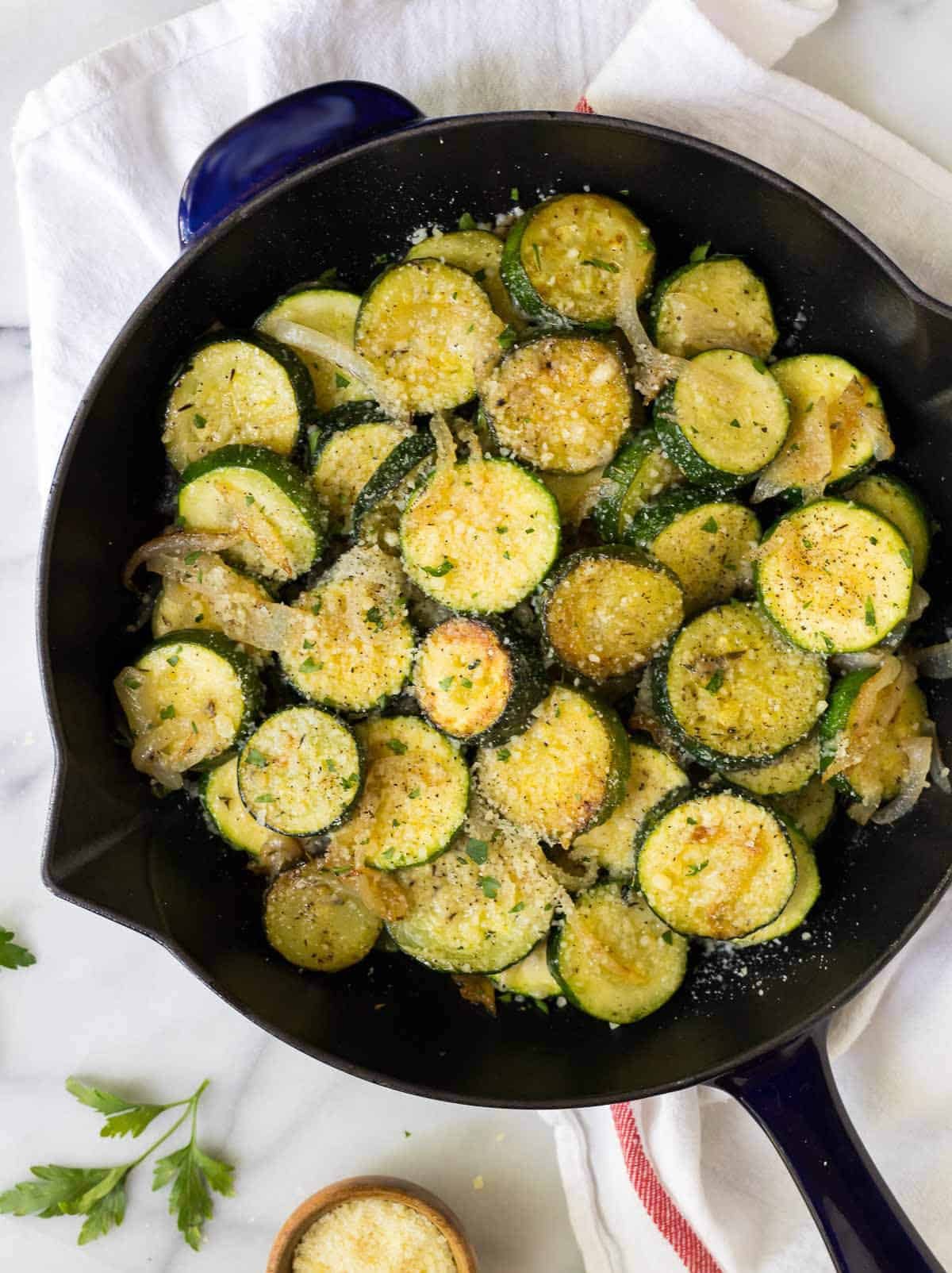
Photo Credit: Delish.com
Best Sautéed Zucchini Recipe - How To Make Sautéed Zucchini (delish.com) - this is an easy recipe to throw together on a busy night. When zucchini is in season this is a go to. I love to use a well seasoned cast iron pan to make this! I don’t normally add onion because I have semi-picky kids but, you can!
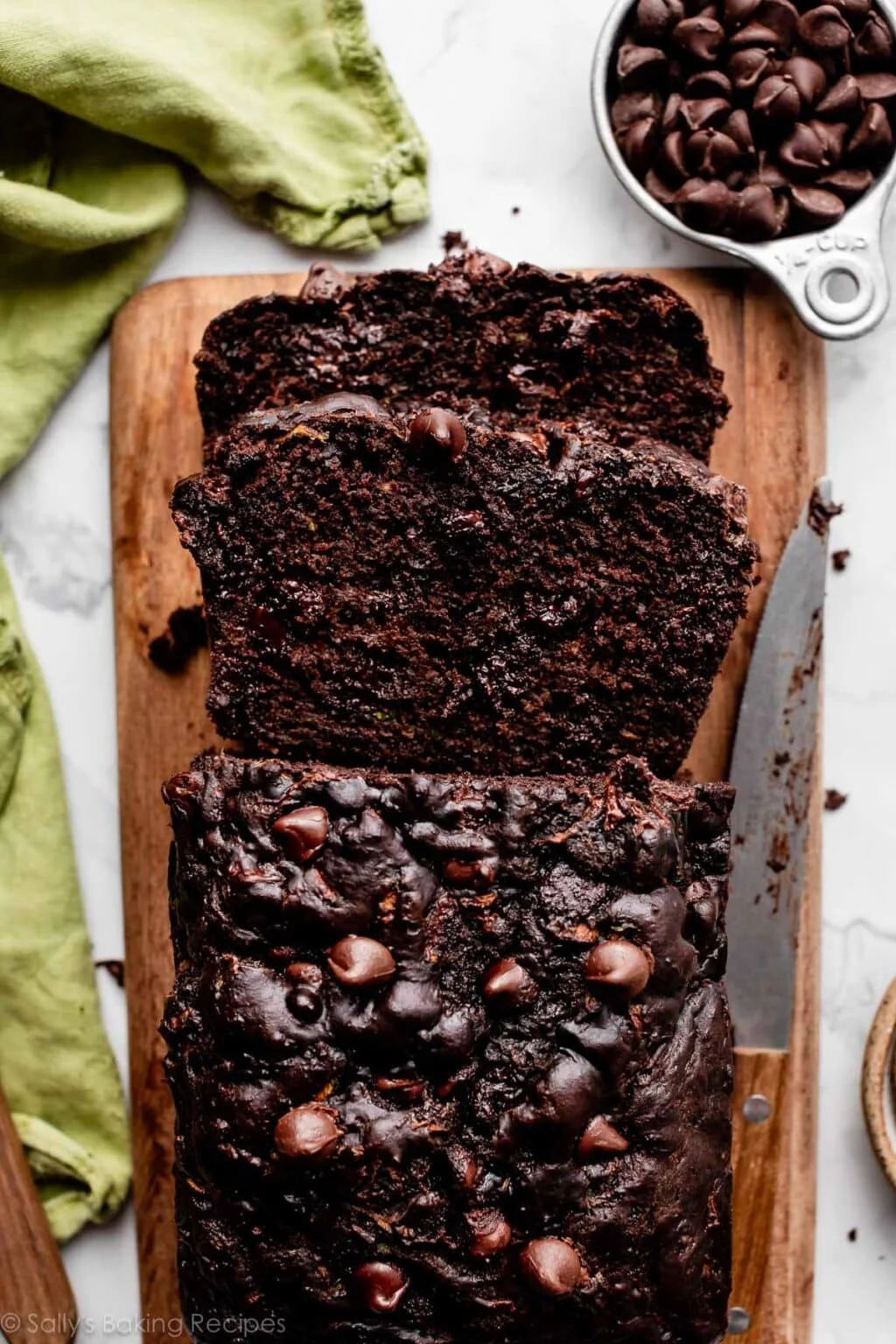
Double Chocolate Zucchini Bread - Sally's Baking Addiction (sallysbakingaddiction.com) - DON”T FORGET DESSERT! Sally’s Baking Addiction is my go-to for desserts!
A few others to try:
Garlic Herb Tortelloni — Triple H Family Farms, LLC - I actually made this tonight and it was yummy! Uses zucchini and slice up some of your tomatoes.
Week 10
Welcome to Week 10! We hope you enjoyed your box last week and made good use of all the fresh items we included. First, I’d like to mention that Matt is still doing well, and we genuinely appreciate all of you that have asked about him following his surgery.
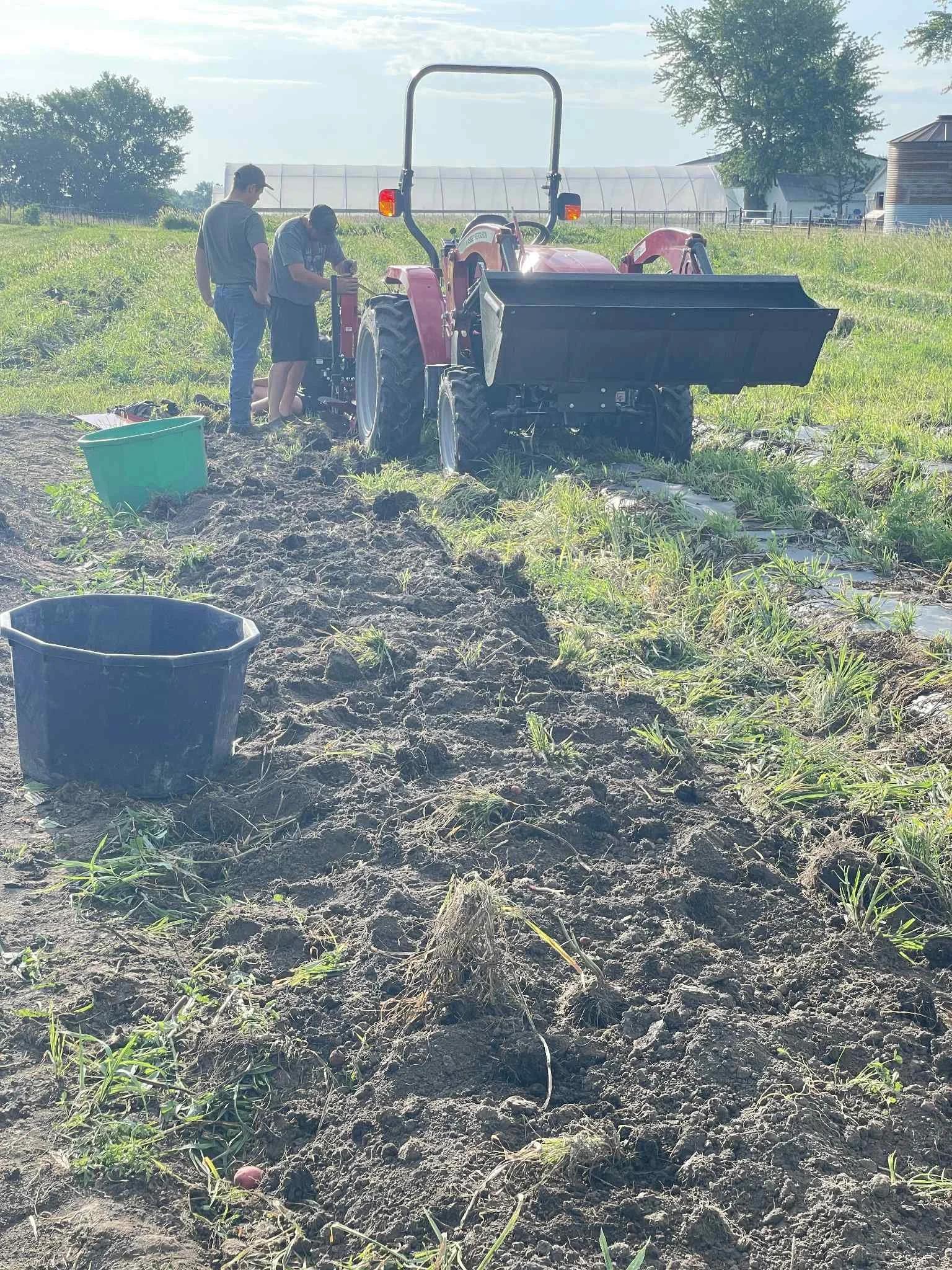
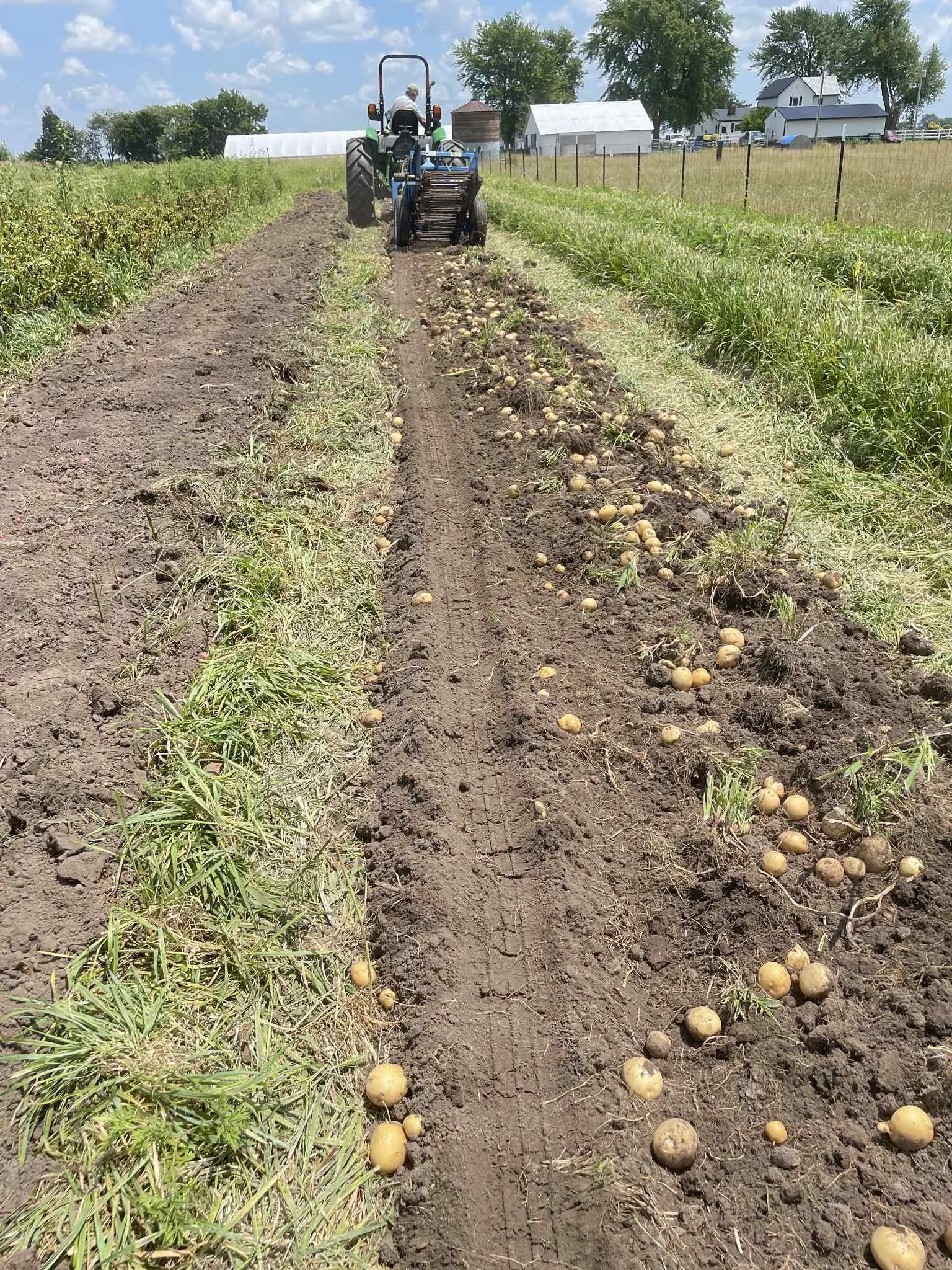
This week, our focus has been on harvesting potatoes and onions. We doubled our potato crop this year, which makes harvest a bit more challenging this past week — but we were up for it! We’re preparing for a significant planting of winter squash, which we hope to get into the ground this week which we will harvest in the fall and early winter. To do this, we will be busy prepping beds, moving silage tarps, adding soil amendments and laying plastic mulch where needed.
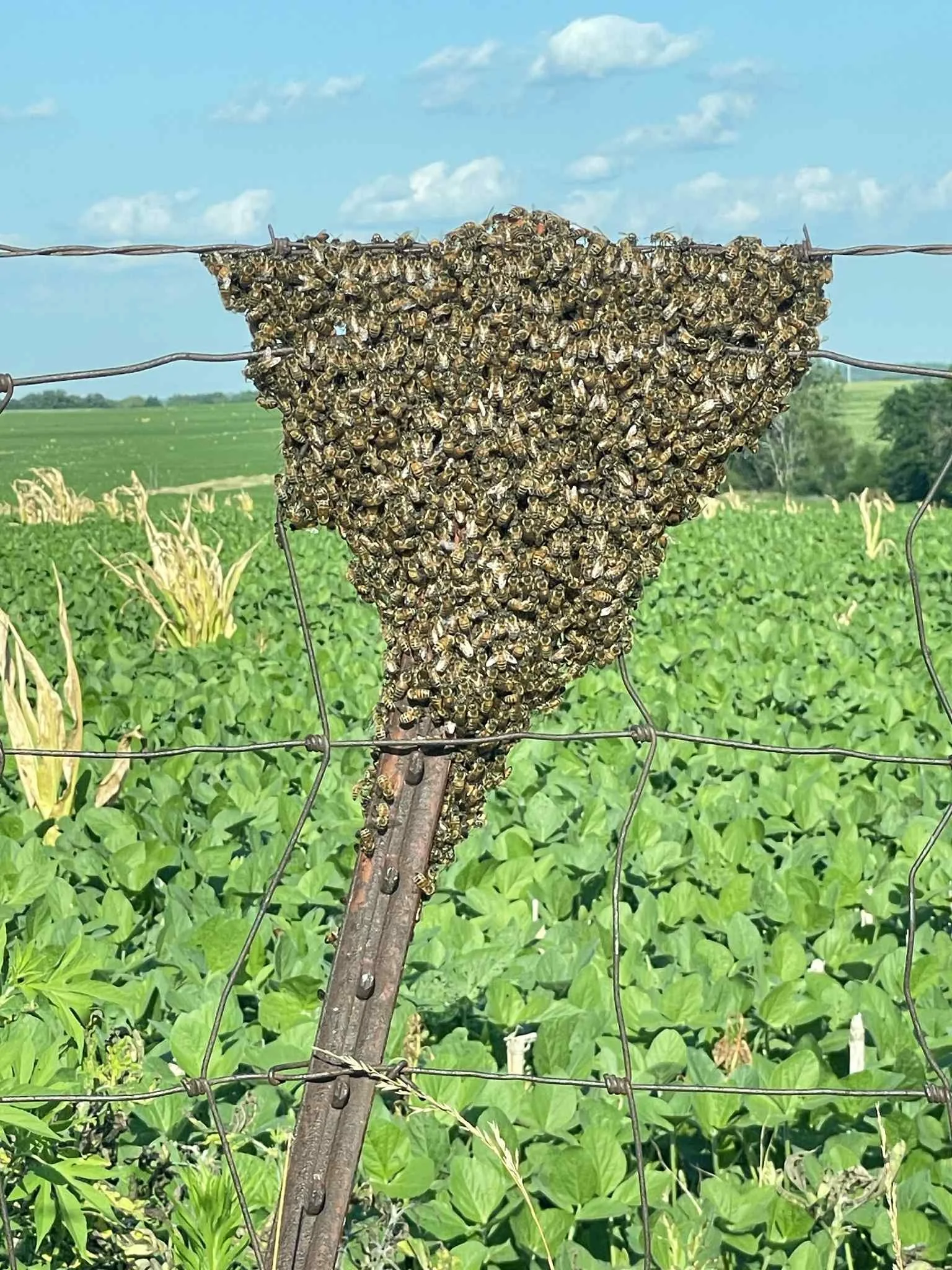
Additionally, Matt and I had a lucky moment: we successfully caught a bee swarm! While spraying fence lines, we noticed a small swarm that we believe originated from a hive we had in a smaller box that had become too crowded. Our youngest son was with us when we captured the bees, and he was thrilled to watch as his mom and dad, wearing full bee suits, gently sweeping the swarm into a new hive.
We are hopeful to extract honey within the next two weeks from our established hive and look forward to adding some fresh honey to our market table.
We hope everyone had a fun and memorable Fourth of July! Hopefully, some of the items from your CSA box were able to be used during your celebration.
IF ALL ELSE FAILS
If your week has been crazy and you haven’t had time to do a thing with items in your bag, focus on these tasks:
You can freeze onions. I love to chop them up and store in portions of zip lock bags. Perfect for winter soups, stews and etc. After freezing, the texture changes somewhat and they are softer so not great for fresh eating.
Freezing tomatoes is the easiest way to keep ripe tomatoes until you're ready to use them. You don't have to peel them first—in fact, the act of freezing them itself makes the tomatoes very easy to peel and you can freeze as many or as few at a time as you like. Visit this link for directions on how to do this, How to Preserve Tomatoes to Enjoy All Year
Garlic can store on your counter without issue. You can also pop it it in the fridge if you prefer.
Greens such as carrot tops or other veggie scraps can be saved and used for homemade vegetable broth. Try this recipe: How to Make Vegetable Broth Using Saved Kitchen Scraps ~ Homestead and Chill
Carrots will store well in your crisper drawer with their tops off.
Zucchini can be shredded and frozen if you are unable to use it this week. How to Freeze Shredded Zucchini | Cooking School | Food Network
NEXT WEEK’S POSSIBILITY’S
Your bag next week will include 6-7 of the following depending on availability and if it’s ready to harvest.
Carrots
Herbs
Tomatoes
Fresh large candy onions
Fresh red candy onions
Cherry Tomatoes
Cucumber
Fairytale Eggplant
Potatoes
Green Onions
Heirloom tomatoes (planning on this!)
Zucchini
Summer Squash
Eggplant
Green Beans
Wishing you a fantastic week ahead, see you next week!
Summer CSA Newsletter: Week 9
IN YOUR BOX THIS WEEK AND HOW TO USE IT
FRESH CANDY ONIONS - Store in the refrigerator crisper drawer for up to one week. You can peel off layers that become dry or slimy if used after one week. $4.00
TOMATOES- The best way to keep summer tomatoes fresh and full of flavor, store them on the kitchen counter at room temperature and turn them shoulders down. 60 to 65° is an ideal temperature for storing and we recommend placing your tomatoes out of direct sunlight. 1.5lb $6
FAIRY TALE EGGPLANT - store away from direct sunlight and use it as soon as possible after harvesting or buying. You can place it in a vented bowl, but avoid sealing it in a plastic bag, which can increase decay. Eggplant is not a cold loving vegetable but, if you want to keep it in the refrigerator do so in the warmest place in the refrigerator and keep lightly covered. Eggplant will remain fresh for 2-4 days. $5
NEW POTATOES - Keep in a cool, dry place away from light, like a dark corner of the kitchen or in a cabinet. Also keep well ventilated. Do not store in a plastic bag but you can store in a basket or paper bag. $5 (1.75 Pounds)
LETTUCE MIX - Store in a plastic bag loosely in your refrigerator. The ideal temperature for storing lettuce is at or near 32 degrees. Wash prior to use. Lettuce stores normally for UP to two weeks. $5
CHERRY TOMATOES - Store tomatoes at room temperature for best taste. If tomatoes are refrigerated, remove them from refrigeration about 30 minutes prior to serving to regain some of their original flavor. $5
VEGGIE OF THE WEEK
FAIRYTALE EGGPLANT
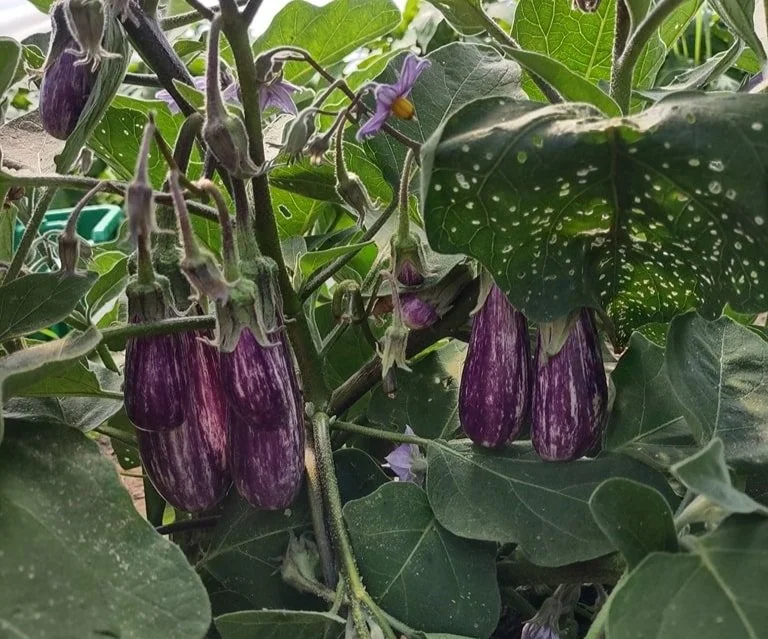
Fairy tale eggplants are starting to find their stride this summer. Despite not being a common vegetable to show up on your dinner table and being a rarity in supermarkets, these small Asian-style eggplants offer a delicate, creamy flavor that is not bitter and contain very few seeds. They can be grilled or sauteed. The tender skin of these eggplants does not require peeling, making them a convenient option for cooking. They can also be stir-fried or roasted in the oven, showcasing their versatility.
Despite their beauty, I get so many questions from customers at the farmers market about how to best prepare these unique eggplants and my guess is you might have the same question as well. Have no fear I have several good recipes below!
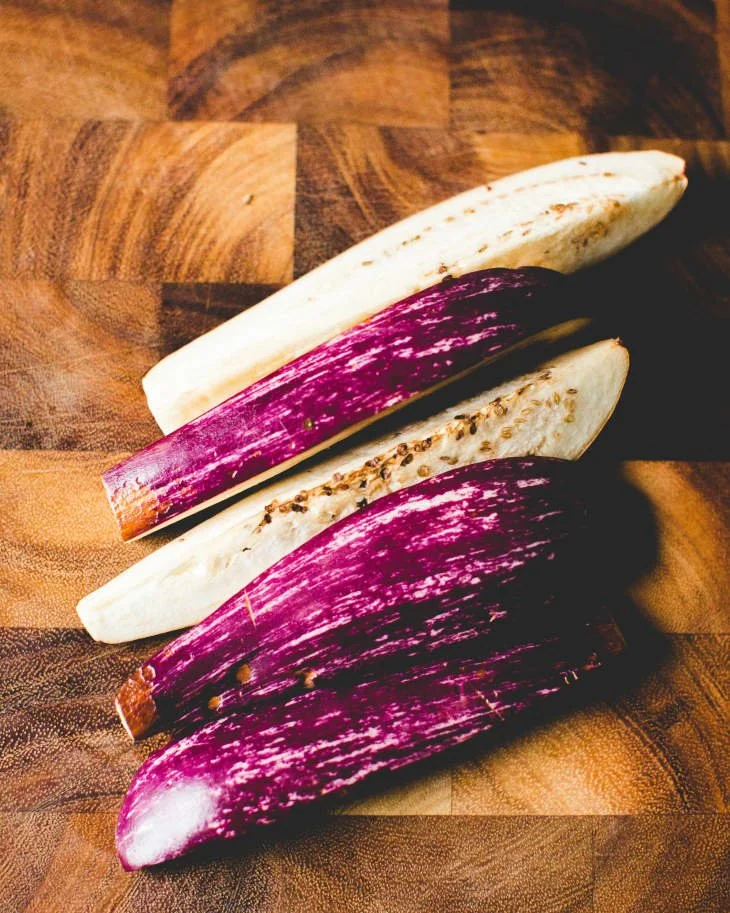
Photo Credit: The Kitchn
Cut 3/4 to 1 pound of baby eggplants in half lengthwise.
In a large bowl, toss the eggplant with about 2 tablespoons olive oil (enough to generously coat the eggplant), 2 minced garlic cloves, salt, pepper, (red pepper flakes also if you wish), and 4 to 6 large mint leaves, coarsely chopped; let stand to marinate for about 30 minutes. Mint is optional but, I do know vendors at the market sell it.
Grill the eggplant in a grill basket over medium-high heat, covered. Turn occasionally until the skins are slightly charred and the flesh is tender, about 10 minutes. Transfer the eggplant pieces back to the bowl you used to marinate them. Immediately toss them with a splash of red wine or balsamic vinegar, a sprinkle of flaked sea salt, and a small handful of freshly chopped mint. Enjoy!
This is an easy recipe that I have tried and enjoyed! Here is the link as well as a few others:
What to Do With Fairy Tale Eggplants (Those Adorable Small Ones) | The Kitchn
Roasted Fairytale Eggplant - Denison Farm
Stuffed Fairytale Eggplants – Norman's Farm Market (normansfarmmarket.com)
Sungold and Fairy Tale Pasta: A Simple Summer Delicacy — Four Root Farm - this one incorporates cherry tomatoes!
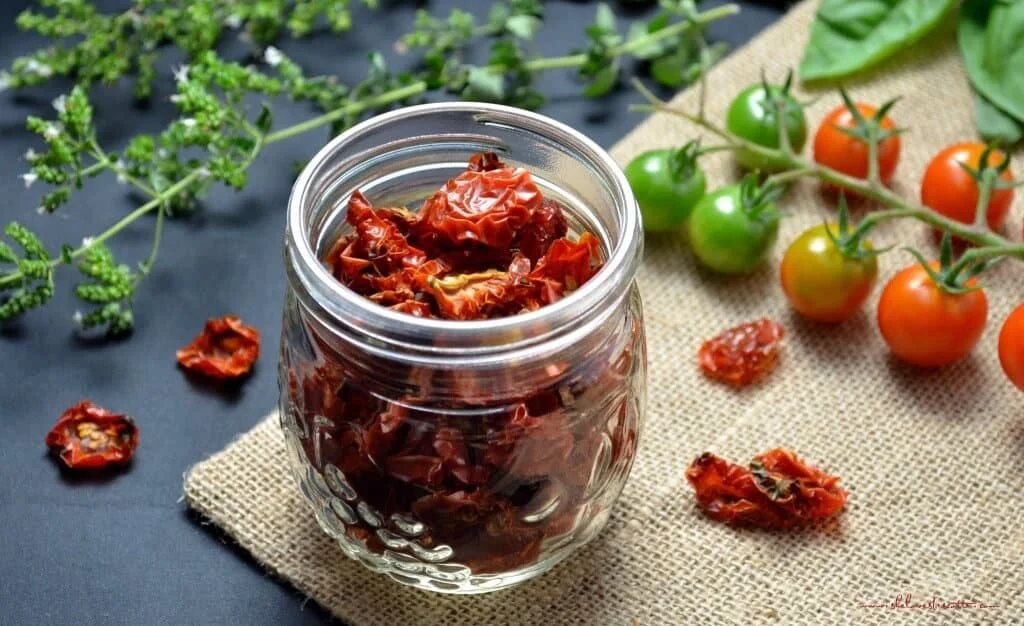
Photo Credit: She Loves Biscotti
I have wanted to try doing homemade sun-dried tomatoes and this recipe looks easy!
Oven "Sun-Dried" Tomatoes - Gimme Some Oven
Margherita Pizza Recipe - Love and Lemons - we’ve tried this and YUM!
Garlic Herb Tortelloni — Triple H Family Farms, LLC this one is also a regular at our house!
Week 9
.
Thank you all for your heartfelt thoughts and prayers over the past week. We’re pleased to share that Matt’s surgery went well last week; although he’s feeling pretty sore this week, the procedure itself was successful. The operation took longer than anticipated because, once they opened him up, they discovered not just one but two hernias that needed repair. Matt has been a very cooperative patient, diligently following the doctor’s instructions—though I’ve been the enforcer at home! We’re optimistic about a full recovery in five to six weeks.
On another note, Matt was honored as a recipient of a $1,000 Tractor Supply gift card through the Farm Veteran Coalition. We visited there this past Sunday to have our photo taken with the staff in front of the large gift card display. We’re grateful for this recognition and plan to use the funds to purchase a couple of new gates, a spare tire for our market trailer, and either a large exhaust fan for one of our greenhouses or a set of forks for our tractor.
Our beloved Maisey is growing quickly—at 14 weeks old, she’s already tipping the scales at over 50 pounds. She’s an incredibly sweet girl and continues to grow rapidly!
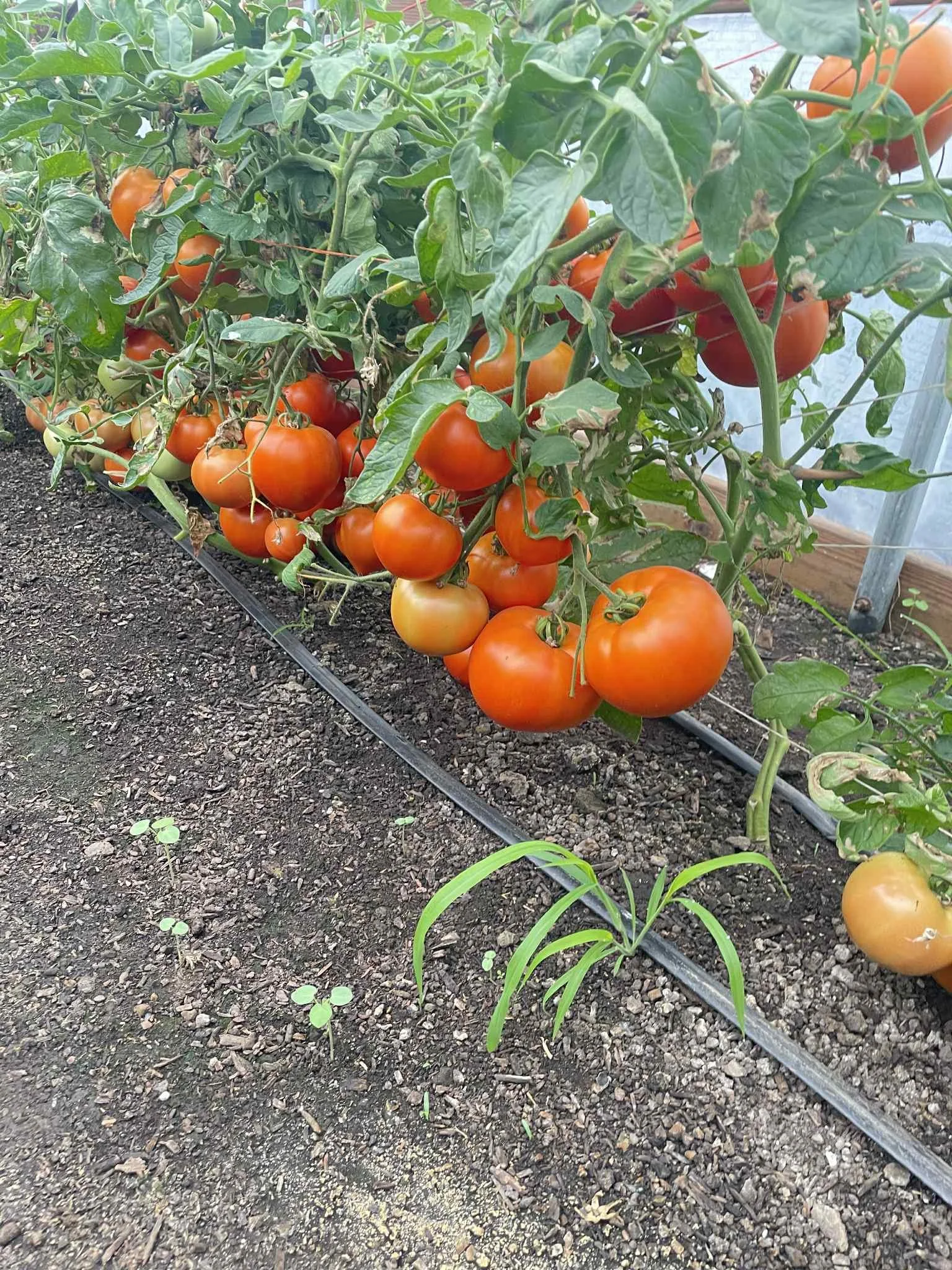
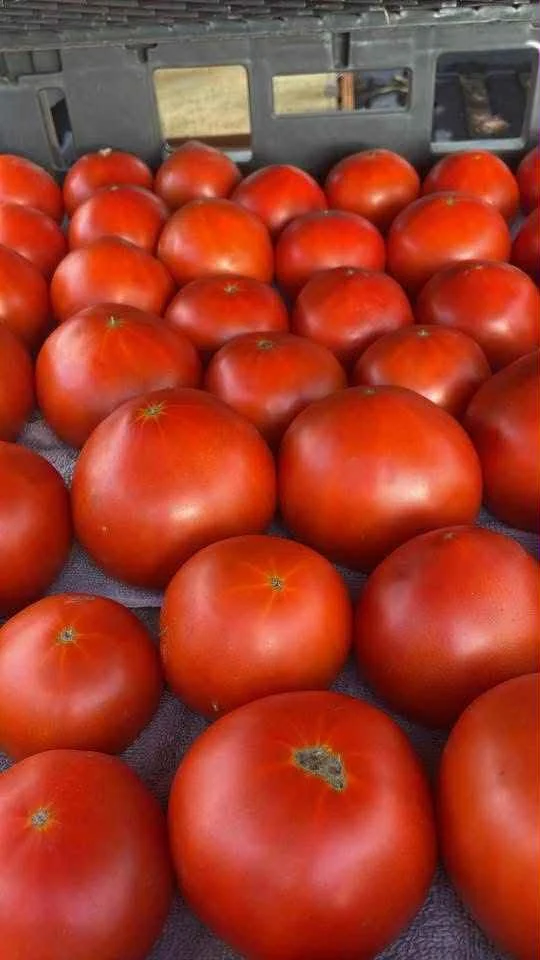
This week, we are in the thick of tomato harvesting, yielding about 600 to 700 pounds each week. We expect this pace to continue for another three to four weeks, which is later than last year’s first harvest. A cooler spring with increased rainfall delayed their ripening and shifted our timeline, but as always, our schedule is at the mercy of Mother Nature.
Summer flavors are beginning to make their appearance with the arrival of zucchini, summer squash, cherry tomatoes, and eggplant!
We’re aiming to finish harvesting potatoes and onions later this week; however, the heavy rains we received could influence how quickly we complete these tasks, especially if the fields remain too wet.



IF ALL ELSE FAILS
If your week has been crazy and you haven’t had time to do a thing with items in your bag, focus on these tasks:
You can freeze green onions including the leafy green tops, the white bulb end, and the stem in between. After freezing, the texture changes somewhat. Stem and bulb portions become soft, while the green parts sometimes become tough
Cherry tomatoes, if you have these left, I’m not sure what to say because they are delicious! Just eat them like candy but if you must, try doing a small batch of sun-dried tomatoes. Oven "Sun-Dried" Tomatoes - Gimme Some Oven
Freezing tomatoes is the easiest way to keep ripe tomatoes until you're ready to use them. You don't have to peel them first—in fact, the act of freezing them itself makes the tomatoes very easy to peel and you can freeze as many or as few at a time as you like. Visit this link for directions on how to do this, How to Preserve Tomatoes to Enjoy All Year
Greens such as carrot tops or other veggie scraps can be saved and used for homemade vegetable broth. Try this recipe: How to Make Vegetable Broth Using Saved Kitchen Scraps ~ Homestead and Chill
Lettuce, Kale and Swiss Chard will store for at least 7 days. We wash and spin dry your lettuce one time. You should wash and dry again before consumption. Keep in mind moisture leads to spoilage. You can wait to wash your greens until you plan to consumer them. Place greens in an airtight container such as a bag or Tupperware.
Keep eggplant out at room temperature and try to use them soon after, as eggplants don’t do well in the cold. If you do need to store them for longer, place in an unsealed bag or container, and then keep in the crisper drawer
NEXT WEEK’S POSSIBILITY’S
Your bag next week will include 6-7 of the following depending on availability and if it’s ready to harvest.
Carrots
Herbs
Tomatoes (Heirloom or Red Slicers)
Fresh large candy onions
Fresh red candy onions
Green Tomatoes
Cherry Tomatoes
Kale
Cucumber
Fairytale Eggplant
Potatoes
Onions
Beets
Green Beans
Zucchini or Summer Squash
Wishing you a fantastic week ahead, see you next week!
Summer CSA Newsletter: Week 7
WHATS IN YOUR BOX THIS WEEK AND HOW TO USE IT
FRESH CANDY ONIONS - Store in the refrigerator crisper drawer for up to one week. You can peel off layers that become dry or slimy if used after one week.. 1lb $3.50
NEW POTATOES - Keep in a cool, dry place away from light, like a dark corner of the kitchen or in a cabinet. Also keep well ventilated. Do not store in a plastic bag but you can store in a basket or paper bag. $5 (1.75 Pounds)
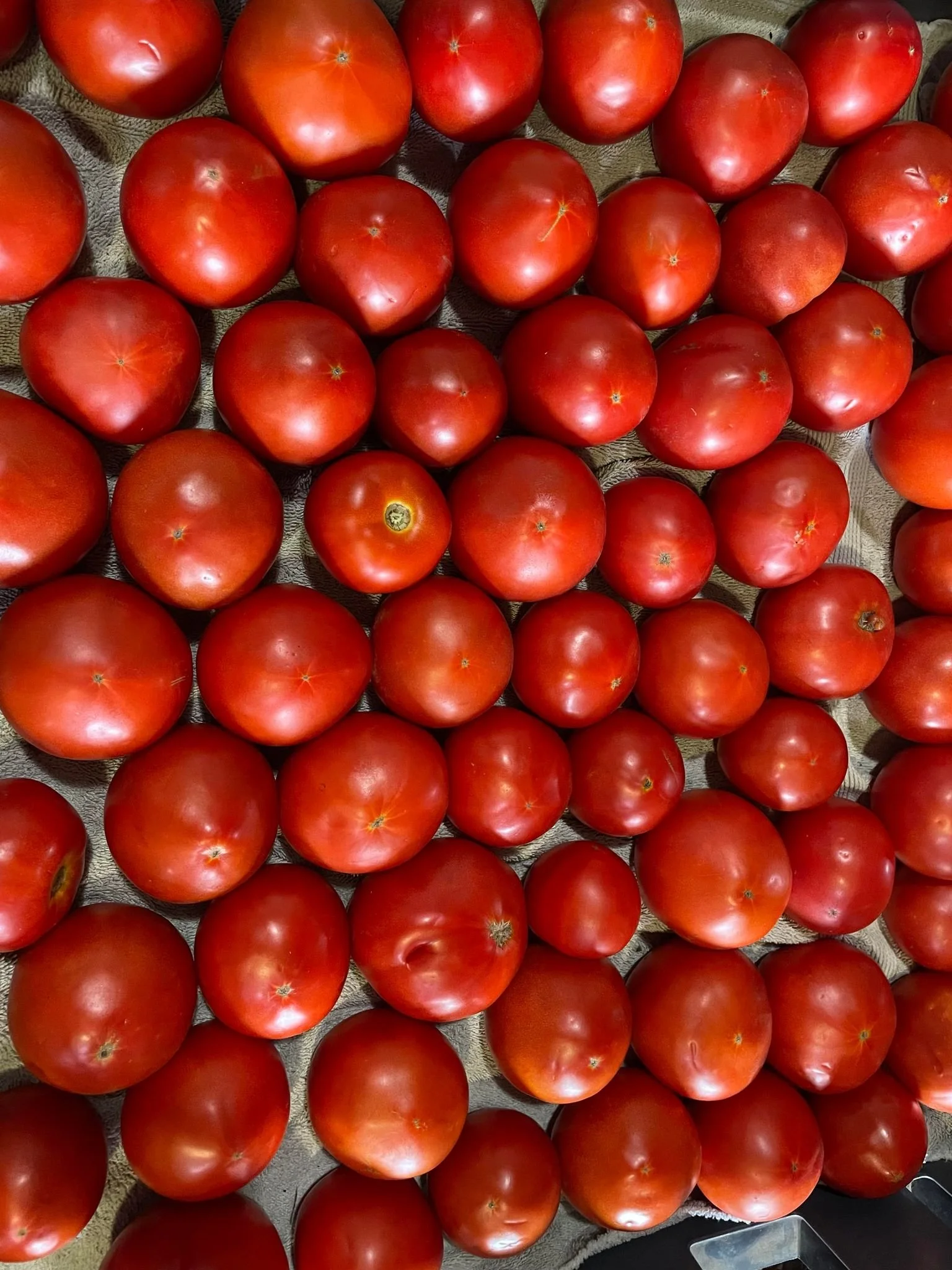
TOMATOES -The best way to keep summer tomatoes fresh and full of flavor, store them on the kitchen counter at room temperature and turn them shoulders down. 60 to 65° is an ideal temperature for storing and we recommend placing your tomatoes out of direct sunlight. 1lb $4
CARROTS- If your carrots have the tops on, take them off right away to avoid limp carrots. The tops like to suck the moisture from the root (carrot) which makes for lifeless carrots. Store carrots in the refrigerator in a plastic bag or container. They can store for several weeks and sometimes even months. $5
BEETS - cut off tops immediately. Store the roots in a bag in your refrigerator. Before use wash your beets., you can peel them with a knife or peeler, or you can roast them in foil or boil them, and the peels will come right off. $6.50
GREEN TOMATOES - The best way to keep green tomatoes is one of two ways. You can store them on the kitchen counter at room temperature and turn them shoulders down. 60 to 65° is an ideal temperature for storing and we recommend placing your tomatoes out of direct sunlight or stick them in the fridge. You are not losing flavor with green tomatoes by putting them in the refridgerator like you would ripe tomatoes. 1lb $3
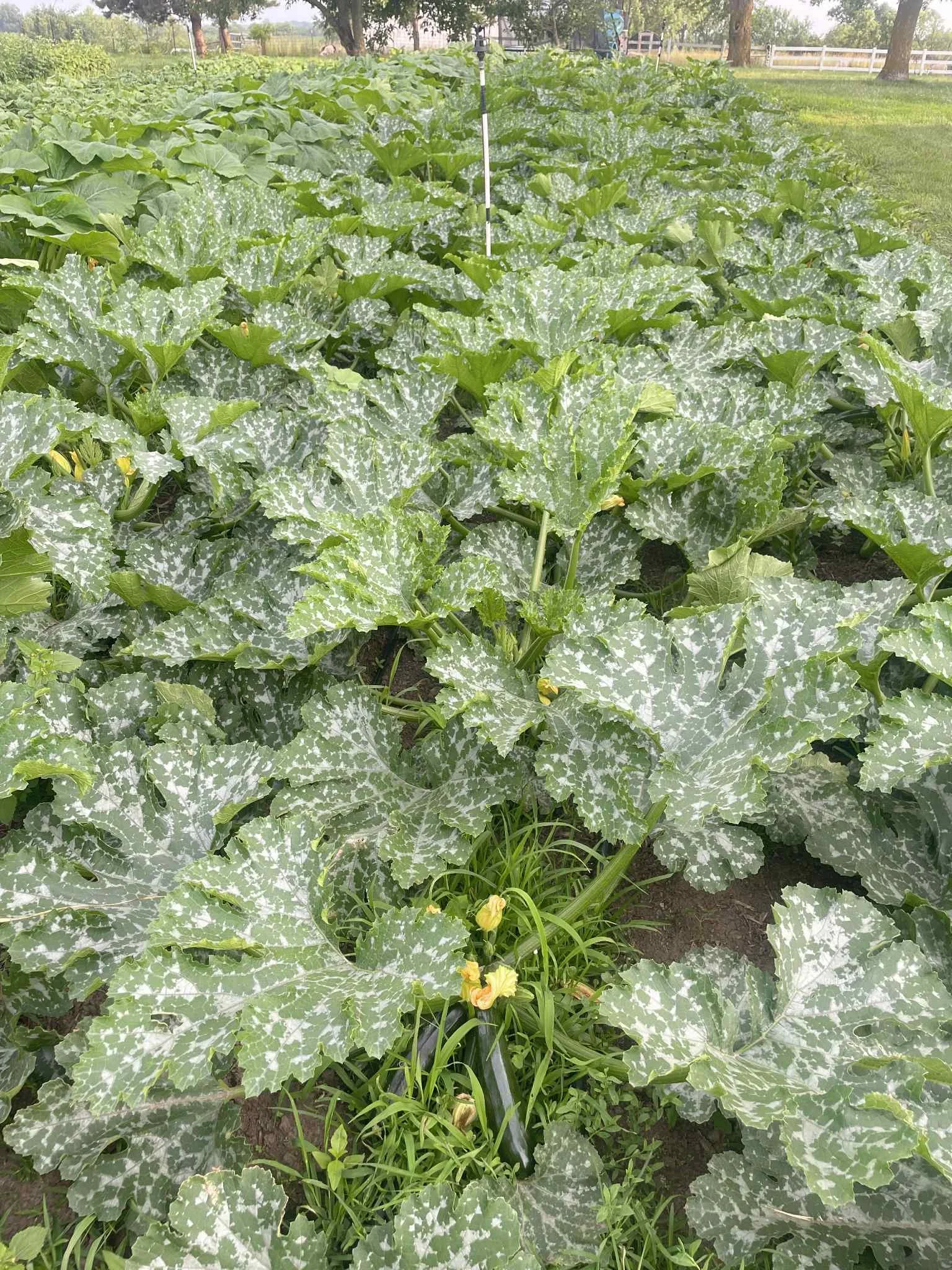
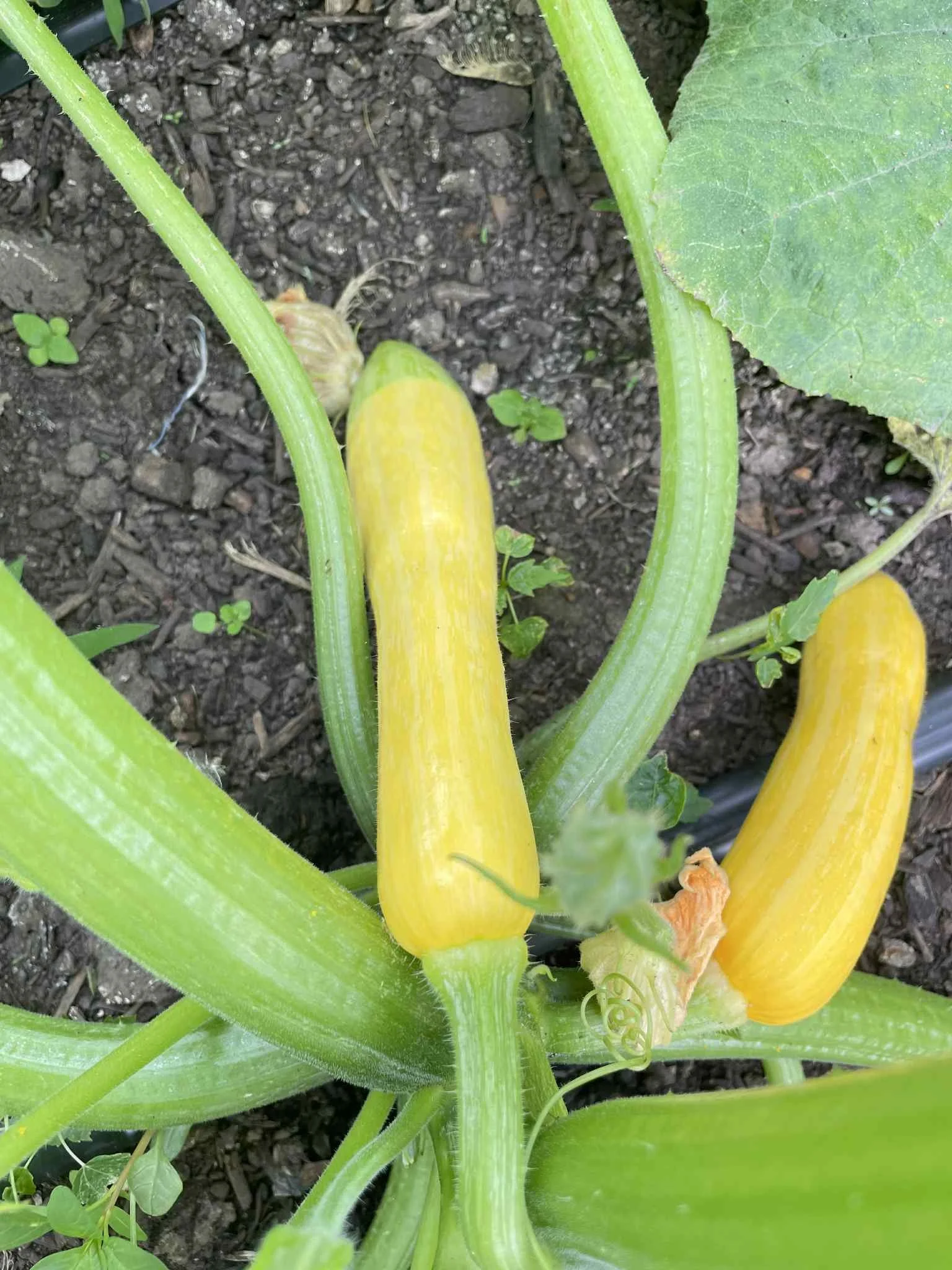
ZUCCHINI/SUMMER SQUASH MEDLEY - Storing zucchini in the fridge is a quick and simple way to keep zucchini fresh. Keep the zucchini whole until you're prepared to use it, avoid washing zucchini prior to storage. $1.50 x 2
VEGGIE OF THE WEEK
Green Tomatoes
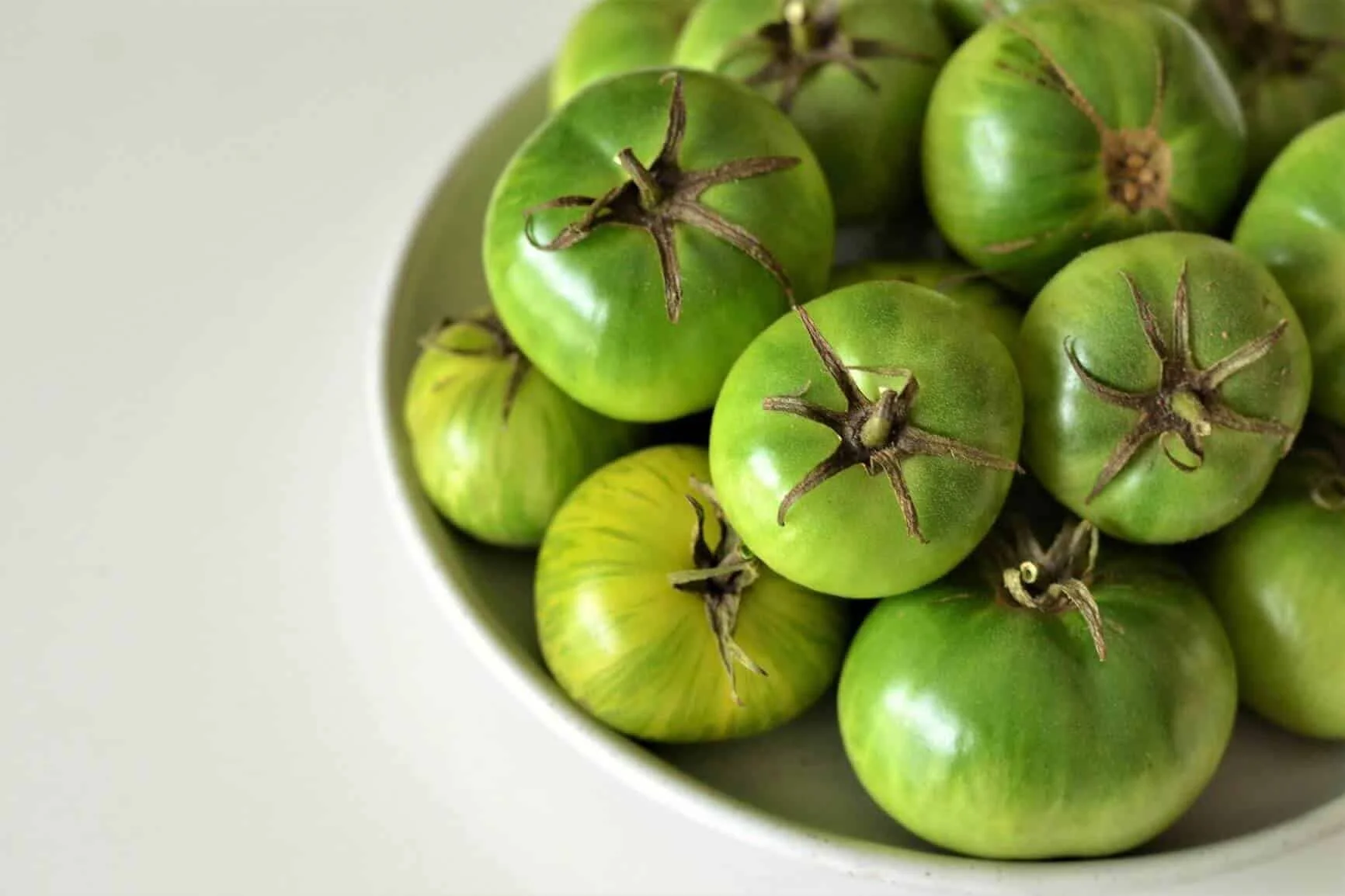
I know green tomatoes are not always a treasured summer favorite…. well, they are for me and as my CSA customers you must love them too!!
Green Tomatoes believe it or not can be a versatile ingredient. They can be used for fried green tomatoes - my number one reason to love them, in salsa, and chutney. They can also be pickled or roasted for a unique twist on classic recipes. Green tomatoes are rich in vitamins A and C, which promote healthy skin and immune system function, as well as a good source of fiber.
I think some of you know that Matt and I previously lived in Georgia for a number or years before moving back to his hometown, Marshall. Matt was in the military when we met and I relocated after we were married. It would seem like a long coming dream to get out of the military and away from the “city” and the hot south Georgia weather. I remember thinking of days where the military wasn’t in quite so much control of our lives. Don’t get me wrong, we liked our lifestyle but, being closer to family was important and Georgia wasn’t our favorite.
During the time we were dating, Matt and I used to travel back and forth to visit each other. I was a college student in Ohio, while he was stationed at Ft Benning, GA. Whenever I would visit Georgia, Matt would take me to different local restaurants. One particular memory that stands out is when he took me to Ruth Ann's cafe. It was a quaint little cafe with a predominant focus on fried food, as is most things in the south.
I vividly remember looking at the menu and deciding to try the fried green tomatoes. It was something I had never tried before, but I fell in love with them. The tomatoes were freshly fried to perfection, with a seasoned crispy golden-brown crust. I dipped them in spicy ranch sauce, and I knew right then and there that I would be a lifelong fan of fried green tomatoes.
I later brought my mother to Ruth Ann's cafe when she came to visit, and she shared the same enthusiasm for their fried green tomatoes.
I know we are trying to promote healthy eating through our CSA but, just do it… fry the green tomatoes.
Photo Credit: Caitlyn Bensel and Rebecca Cummins
Fried Green Tomatoes Recipe (southernliving.com)
A few others to try:
Easy Green Tomato Chutney Recipe • Lovely Greens
Green-Tomato Chutney Recipe (nytimes.com)
Green Tomato Salsa Verde Recipe (nytimes.com)
Reduce Food Waste! How to Freeze Kale - Budget Bytes - if you’re not using the kale from previous weeks, FREEZE it.
Authentic Pico De Gallo Recipe - NatashasKitchen.com - a good summer salsa recipe. I use lemon juice instead of lime but, to each their own. You can omit the cilantro as I know not everyone loves it. Also, I know there is at least one vendor that jalapeno’s if you choose to add those as well.
Easy Oven Roasted Potatoes {Easy to Make!} - Spend With Pennies - use those leftover herbs with this one.
Cast iron Roasted Potatoes with Rosemary - this recipe is yummy!
Week 7
Welcome to week 7.We hope that you enjoyed your bag last week and that you were able to utilize all the items we packed for you.
We are just now starting to tip-toe into tomato season. It feels like tomatoes have taken FOREVER to start to ripen this year. A cooler month of May has left our loaded plants green for far too long. I think in total we have close to 900 tomato plants in the ground in various stages of growth. . We are getting ready to transplant our 4th succession of 100 plants. We harvest for 4-6 weeks and then rip them out and that’s it we are on to the next succession.
While we haven't been as heavy into tomato season as we would like, we are prepping for a heavy harvest of potatoes and onions next week as well as turning those beds over to replant the first round of fall crops. We have several hundred broccoli, cauliflower and cabbage plants and I seeded 800 winter squash plants due to go out in about 2 weeks.
Also, if you haven’t seen our barrel washer in action, that I posted on our stories last week. You can watch below! We use this tool to wash potatoes, carrots, beets and turnips
A note to mention for next week. Matt will be having outpatient surgery on the 25th of June. Due to this it is very likely there will NOT be a full newsletter next week. We have a lot to prep in the next 9 days before his surgery as he will have several limitations for 4-6 weeks after surgery, which of course falls right smack dab in the middle of our busy season. We apologize for not getting out our full newsletter next week but, we will be back at it for week 9.
IF ALL ELSE FAILS
If your week has been crazy and you haven’t had time to do a thing with items in your bag, focus on these tasks:
You can freeze onions. I love to chop them up and store in portions of zip lock bags. Perfect for winter soups, stews and etc. After freezing, the texture changes somewhat and they are softer so not great for fresh eating.
Freezing tomatoes is the easiest way to keep ripe tomatoes until you're ready to use them. You don't have to peel them first—in fact, the act of freezing them itself makes the tomatoes very easy to peel and you can freeze as many or as few at a time as you like. Visit this link for directions on how to do this, How to Preserve Tomatoes to Enjoy All Year
Green tomatoes will store for quite a while in the refrigerator. .
Greens such as carrot tops or other veggie scraps can be saved and used for homemade vegetable broth. Try this recipe: How to Make Vegetable Broth Using Saved Kitchen Scraps ~ Homestead and Chill
Zucchini can be shredded and frozen.
Potatoes will store well out of direct sunlight in a cool dry place for several weeks
NEXT WEEK’S POSSIBILITY’S
Your bag next week will include 6-7 of the following depending on availability and if it’s ready to harvest.
Carrots
Herbs
Tomatoes
Fresh large candy onions
Fresh red candy onions
Cherry Tomatoes
Cucumber
Fairytale Eggplant
Potatoes
Turnips
Kale
Lettuce
Beets
Zucchini (maybe, fingers crossed)
Wishing you a fantastic week ahead, see you next week!
Summer CSA Newsletter: Week 6
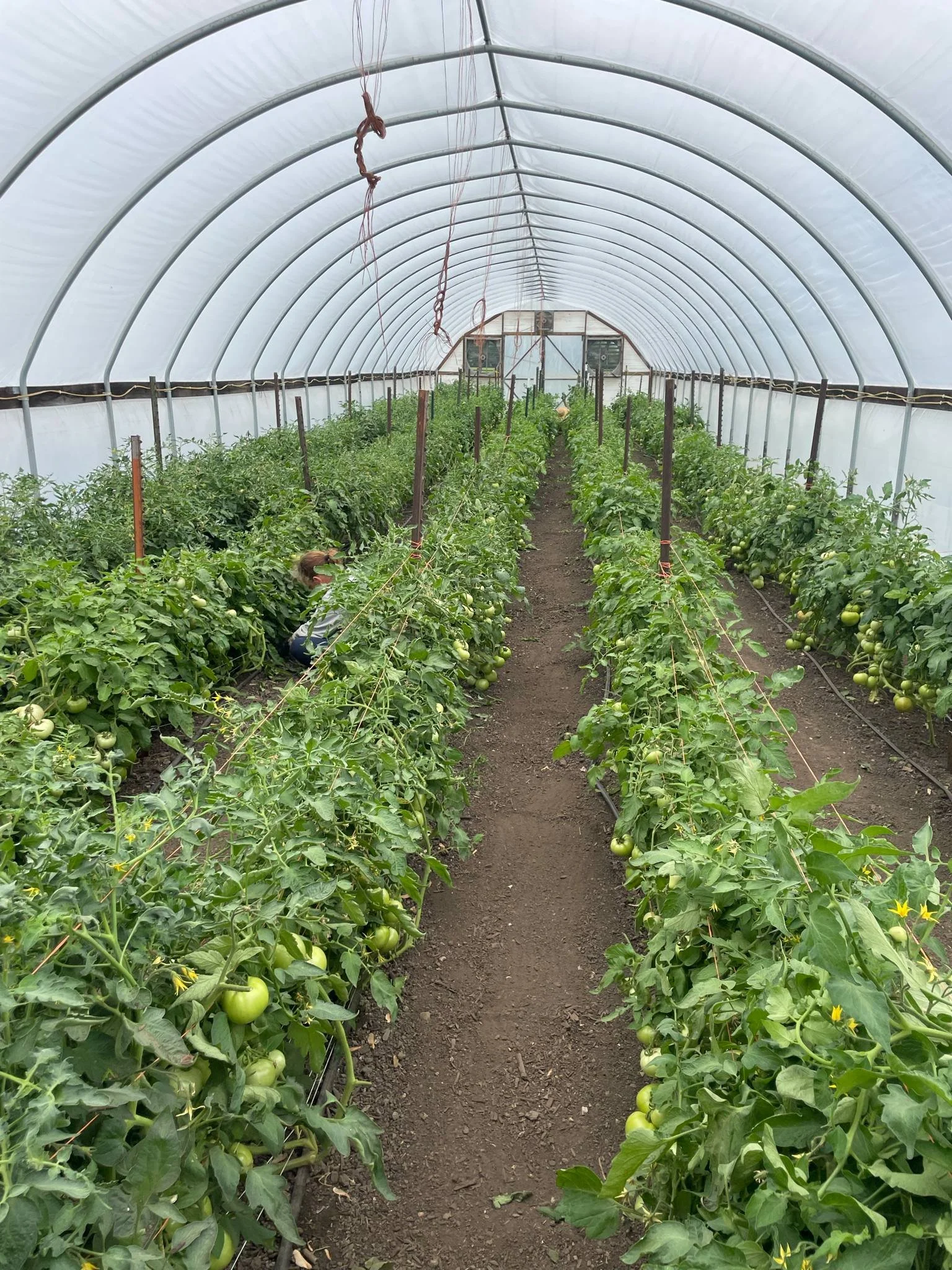
Pruning one of our tomatoes houses
WHATS IN YOUR BOX THIS WEEK AND HOW TO USE IT
LETTUCE MIX - Store in a plastic bag loosely in your refrigerator. The ideal temperature for storing lettuce is at or near 32 degrees. Wash prior to use. Lettuce stores normally for UP to two weeks. $5
CARROTS- If your carrots have the tops on, take them off right away to avoid limp carrots. The tops like to suck the moisture from the root (carrot) which makes for lifeless carrots. Store carrots in the refrigerator in a plastic bag or container. They can store for several weeks and sometimes even months. $5
SPRING ONIONS - Store in the refrigerator crisper drawer for up to one week. You can peel off layers that become dry or slimy if used after one week. $3
KALE - Kale loves the crisper drawer. Does well in a loose bag in your refrigerator. Wash prior to use. Stores normally for UP to two weeks. $5
HERBS - Dill: Trim a little off of the bottoms of the stems so that they can take in more water. Fill a jar or glass partially with water and set the dill inside. An inch or two of the stems should be submerged.: Cover the jar of herbs loosely with a plastic bag. Store in the refrigerator. Change the water when it becomes cloudy (every few days). The herbs should stay fresh for 1 to 2 weeks. $2.50
SWEET TURNIPS- cut off immediately. Store the roots in a bag in your refrigerator. Before use wash your beets., you can peel them with a knife or peeler, or you can roast them in foil or boil them, and the peels will come right off. Turnips do not require you to peel them, but you should use them prior to use. $5
NEW POTATOES - Keep in a cool, dry place away from light, like a dark corner of the kitchen or in a cabinet. Also keep well ventilated. Do not store in a plastic bag but you can store in a basket or paper bag. $5 (1.75 Pounds)
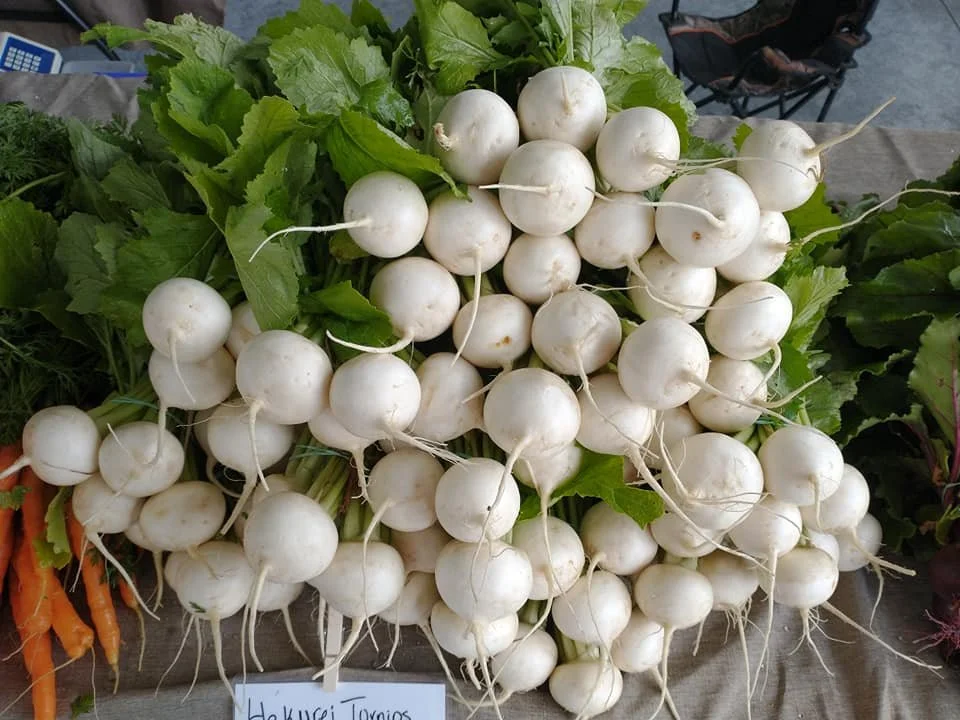
“SWEET” TURNIPS
SALAD TURNIPS (HAKUREI TURNIPS)
These particular vegetables should not be mistaken for purple top turnips. They are distinct and should not be treated as the same. Spring turnips are suitable for consumption in their raw state. They can be finely diced into matchstick-like pieces and added to spring rolls, or even eaten whole like an apple - even my 7-year-old enjoys them this way! One of my preferred recipes with spring turnips is adding them to my beef stew. This is a fantastic method to incorporate more nutritious vegetables into my children's diet. If your children are picky, you can pass these off as potatoes and they won’t know the difference! The Pioneer Woman's recipe, which I have frequently prepared, is absolutely delicious.
I understand that you may be tired of winter and the abundance of soups and stews, but I assure you that this dish is worth a try. Treat yourself to a warm bowl of this stew with a side of crusty bread before the summer heat sets in - you won't regret it!
A few quick notes about my version of this dish -
This recipe is also perfect in the fall when carrots, onions, turnips are really in abundance or cooler spring weather.
For those interested in a healthier alternative, I have occasionally substituted beef with venison cubes.
I have also omitted the parsnips and the parsley garnish is mine. If you have any parsley left over from last week and feel like making this, then use it here!
Lastly, I load the vegetables and beef into the pot. One small turnip isn’t going to do it for our family. We like to have a mix of meat, carrot and turnip in every bite.

Photo Credit: Eating Healthy Today by Oliva Adriance

Spring Rolls With Carrots, Turnips, Rice Noodles and Herbs Recipe - NYT Cooking (nytimes.com)
Feel free to interpret the spring roll recipe according to your preferences. You can generously fill them with a variety of vegetables. However, the real secret lies in the sauce, which perfectly complements the rolls when paired with a delicious peanut sauce. You can purchase a pre-made sauce over the counter or you can try the ones we added at the bottom. The combination of the refreshing coolness of the roll, the satisfying crunch of the veggies, and the subtle heat of the sauce will undoubtedly leave you craving for more. If you desire a boost of protein, consider adding chilled cooked shrimp while preparing the rolls. During our previous life in Columbus, GA, we discovered these delectable spring rolls at a charming Thai restaurant. Whenever we return to the area, we never miss the opportunity to revisit and indulge in this delightful dish.
Another recipe option for spring rolls with shrimp and peanut sauce -
Vietnamese Fresh Spring Rolls with Shrimp + Peanut Sauce (bigflavorstinykitchen.com)
The recipe below is very detailed and discusses the “tuck and roll” method well, when making your rolls. -
How to Make Fresh Spring Rolls | Fresh Vietnamese Summer Rolls (whiteonricecouple.com)
Also! don’t forget your greens! Greens on root vegetables are not always beautiful and likely much cleaner in the fall, but if we have a good spring crop make sure to use your turnip tops! Try the recipe below, this chef is great at explaining in detail and with photos a step-by-step process to getting tasty bitter-less turnip greens.
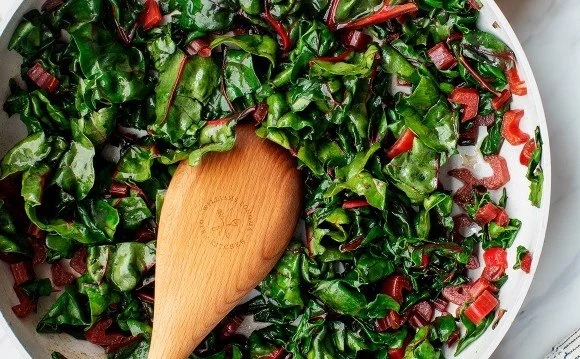
Photo Credit: Nourishing by Dr Vegan
New Potatoes with Butter and Herbs
Week 6
Welcome to week 6. We hope that you enjoyed your bag last week and that you were able to utilize all the items we packed for you.
This week, the farm welcomed a new member to the family. Matt received his 20th wedding anniversary gift—much earlier than planned. It all started when I contacted a breeder to put a deposit down on a future Anatolian Shepherd puppy. However, the breeder had a male puppy from a current litter ready to go to his new home right away.
I debated whether to tell Matt about the available pup since the gift was meant to be a surprise next March. In the end, I gave in and let him decide. I knew he was hoping for a female dog because we've usually gone with males in the past, but I showed him the available male puppy. After thinking it over for a day, he decided to bring him home.
Once everything was arranged and a name chosen, the breeder got back to us with a surprise: another family who had their hearts set on a female puppy changed their minds and wanted a male instead. So, we switched pups! It felt like fate since Matt had initially wanted a female after all.
Naming her took a bit of discussion, but we finally agreed on Maisey. Our big girl Maisey flew in from North Carolina to Kansas City last week, and we've fallen in love with her. At just 10 weeks old, she already weighs 41 pounds. Considering her mom is 130 pounds and her dad is 170 pounds, we’re expecting a very large dog!


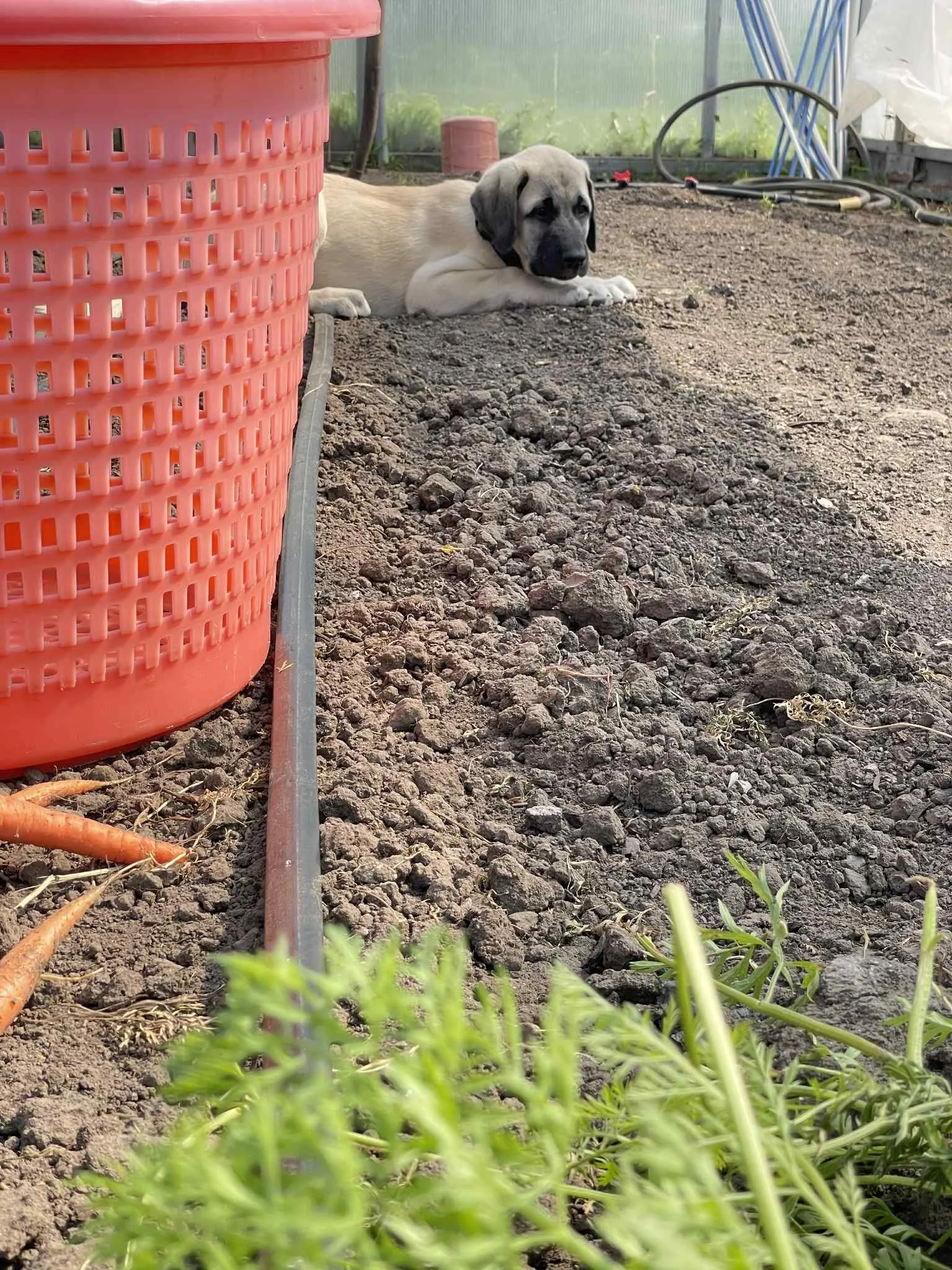

IF ALL ELSE FAILS
If your week has been crazy and you haven’t had time to do a thing with items in your bag, focus on these tasks:
Make sure the greens are removed from the root vegetables. Your roots will store for a good while, your greens from your root vegetables need to be used or lose them.
Lettuce and Kale will store for at least 7 days. We wash and spin dry your lettuce one time. You should wash and dry again before consumption. Keep in mind moisture leads to spoilage. You can wait to wash your greens until you plan to consumer them. Place greens in an airtight container such as a bag or Tupperware.
You can freeze green onions including the leafy green tops, the white bulb end, and the stem in between. After freezing, the texture changes somewhat. Stem and bulb portions become soft, while the green parts sometimes become tough
Potatoes will store well out of direct sunlight in a cool dry place for several weeks.
Greens such as carrot tops or other veggie scraps can be saved and used for homemade vegetable broth. Try this recipe: How to Make Vegetable Broth Using Saved Kitchen Scraps ~ Homestead and Chill
NEXT WEEK’S POSSIBILITY’S
Your bag next week will include 6-7 of the following depending on availability and if it’s ready to harvest.
Carrots
Herbs
Green Onions
Lettuce (head or mixed)
Turnips
Beets
Kale
Tomatoes
Eggplant
Cucumbers
Onions
Potatoes
Wishing you a fantastic week ahead, see you next week!
Summer CSA Newsletter: Week 5
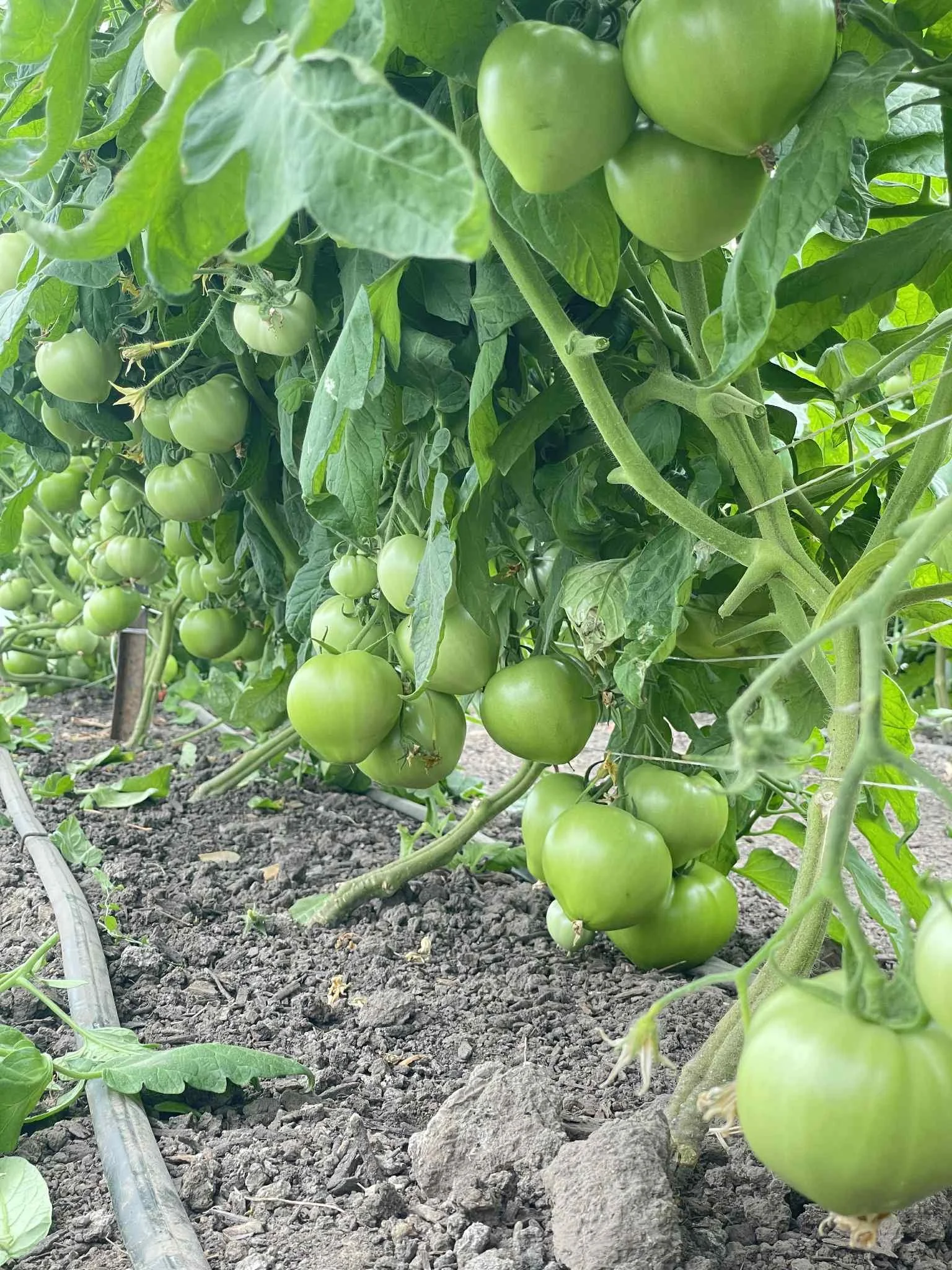
WHATS IN YOUR BOX THIS WEEK AND HOW TO USE IT
LETTUCE MIX - Store in a plastic bag loosely in your refrigerator. The ideal temperature for storing lettuce is at or near 32 degrees. Wash prior to use. Lettuce stores normally for UP to two weeks. $5
CARROTS- If your carrots have the tops on, take them off right away to avoid limp carrots. The tops like to suck the moisture from the root (carrot) which makes for lifeless carrots. Store carrots in the refrigerator in a plastic bag or container. They can store for several weeks and sometimes even months. $5
SPRING ONIONS - Store in the refrigerator crisper drawer for up to one week. You can peel off layers that become dry or slimy if used after one week. $2.50
KALE or SPINACH-
Kale loves the crisper drawer. Does well in a loose bag in your refrigerator. Wash prior to use. Stores normally for UP to two weeks. Swiss Chard will become limp and lifeless very easily. Gently wrap unwashed greens in paper towels and store loosely in plastic bags. Keep moist and cool in the lower part of the refrigerator in the high-humidity bin. Store for up to 5 days. but, have no fear you can still use it in lots of things if chard becomes a little lifeless! $5
Spinach can be maintained loosely in a bag in your crisper drawer. Wash well prior to use. Stores normally for one - two weeks. $5
HERBS - Parsley . $2.50
Parsley: Trim a little off of the bottoms of the stems so that they can take in more water. Fill a jar or glass partially with water and set the parsley inside. An inch or two of the stems should be submerged.: Cover the jar of herbs loosely with a plastic bag. Store in the refrigerator. Change the water when it becomes cloudy (every few days). The herbs should stay fresh for 1 to 2 weeks.
BEETS - cut off immediately. Store the roots in a bag in your refrigerator. Before use wash your beets., you can peel them with a knife or peeler, or you can roast them in foil or boil them, and the peels will come right off. $6.50
GARLIC SCAPES - Garlic scapes keep well in a plastic bag in the fridge for two to three weeks.$3.00
VEGGIE OF THE WEEK
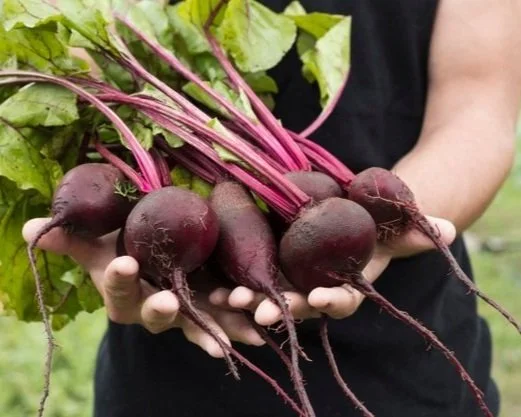
BEETs and GARLIC SCAPES
You're getting a “twofer” this week. Lots of recipes for beets and garlic scapes.
My family doesn’t eat a ton of beets, but they sure fly off the shelf at a farmers market. They are another product I didn’t think was as popular as it is. Matt and I were both shocked at how many beets we sell at market, which lead me down the path of finding out why, starting with trying them!
The simplest preparation I have found so far with beets is to wash them well, and then roast the heck out of them. Sometimes we cook them for as long as an hour. Once they’ve cooled, peel, chop, toss them with olive oil, salt, and pepper, I also don’t mind a little parm or asiago cheese added at the end.
My FAVORITE way to eat beets and lots of other veggies is in a breakfast I had at a restaurant in Michigan called Anna’s House. The dish is called Hippe Hash. It has two eggs cooked your way on top of a medley of slow roasted cauliflower, broccoli, carrots, cabbage, radish and beets seasoned with garlic and ginger then served on brown rice with red potatoes. Finally topped with Monterrey Jack cheese and a dollop of sour cream. . You could also sub the radishes, since there are not any in your box and use turnips. YUM YUM YUM!! You can omit the cheese, sour cream and egg and just eat all the roasted veggies, but as is, this was so, so good. I have to assume the root vegetables were all slow roasted and the cauliflower, broccoli and cabbage were roasted separately. They might have been roasted together but separate from the root veg and then brought all back together at the end. I have yet to find a copy-cat recipe that fits this dish, but maybe my CSA members can find one as the season goes on. Beets and turnips stay fresh for a long time with greens removed, so you have plenty of time to find something to try. Save a few behind and try this as the other veggies come in.
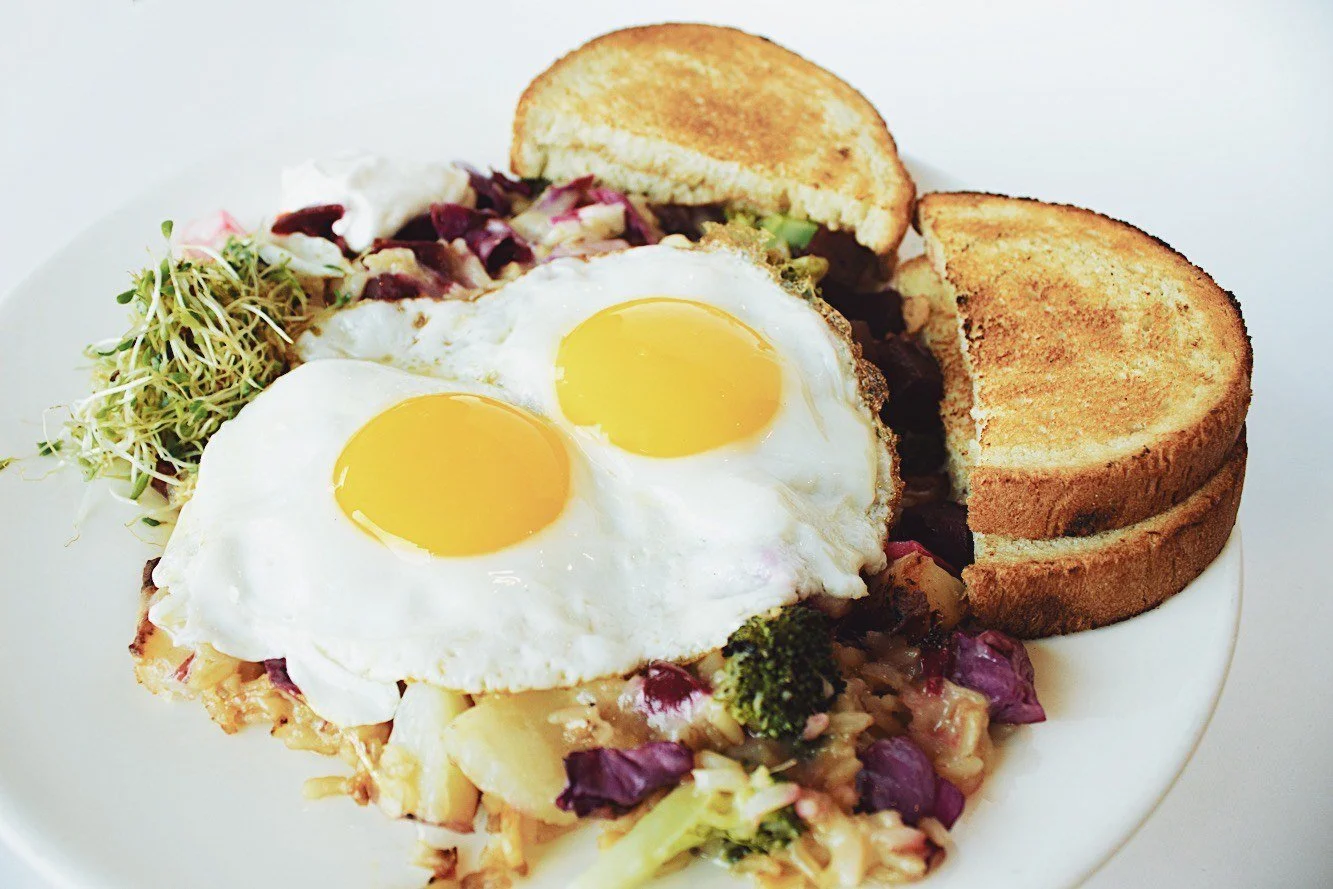
Photo Credit: Anna’s House
A few others to try:
Beet Salad with Goat Cheese and Balsamic Recipe - Love and Lemons
Whole Wheat Strawberry Beet Muffins Recipe - Super Healthy Kids
These look fun and something I might try with my kids!
Sautéed Beet Greens Recipe - Love and Lemons
Something to use those nutritious tops in!
Spring Rolls With Carrots, Turnips, Rice Noodles and Herbs Recipe - NYT Cooking (nytimes.com)
Feel free to interpret the spring roll recipe according to your preferences. You can generously fill them with a variety of vegetables. However, the real secret lies in the sauce, which perfectly complements the rolls when paired with a delicious peanut sauce. You can purchase a pre-made sauce over the counter or you can try the ones we added at the bottom. The combination of the refreshing coolness of the roll, the satisfying crunch of the veggies, and the subtle heat of the sauce will undoubtedly leave you craving for more. If you desire a boost of protein, consider adding chilled cooked shrimp while preparing the rolls. During our previous life in Columbus, GA, we discovered these delectable spring rolls at a charming Thai restaurant. Whenever we return to the area, we never miss the opportunity to revisit and indulge in this delightful dish.
Another recipe option for spring rolls with shrimp and peanut sauce -
Vietnamese Fresh Spring Rolls with Shrimp + Peanut Sauce (bigflavorstinykitchen.com)
The recipe below is very detailed and discusses the “tuck and roll” method well, when making your rolls. -
How to Make Fresh Spring Rolls | Fresh Vietnamese Summer Rolls (whiteonricecouple.com)
Also! don’t forget your greens! Greens on root vegetables are not always beautiful and likely much cleaner in the fall, but if we have a good spring crop make sure to use your turnip tops! Try the recipe below, this chef is great at explaining in detail and with photos a step-by-step process to getting tasty bitter-less turnip greens.
Garlic Scapes
Garlic scapes are likely new for many of you which, means a little information is likely needed in order to know what to do with these seasonal treats.
Garlic scapes are the thin, green stalks that grow from the garlic bulb. They are long, curvy, and kind of look like a cross between chives and scallions. Garlic scapes have a more in-your-face garlic flavor, though they’re less spicy than raw garlic cloves. Once cooked, the scapes have a sweeter flavor similar to roasted garlic. My favorite way to use garlic scapes is to make a compound butter. Compound butter is great to add garlic flavor without actually adding garlic. The recipe below calls for Oregano and Parsley, You could save your herbs this week and wait until next week to get the other herb and make this. Simply follow the storage instructions and there shouldn’t be a problem. You can also omit some of the herbs and just use butter and the scapes.
Garlic Scape Butter with Herbs - Binky's Culinary Carnival (binkysculinarycarnival.com)
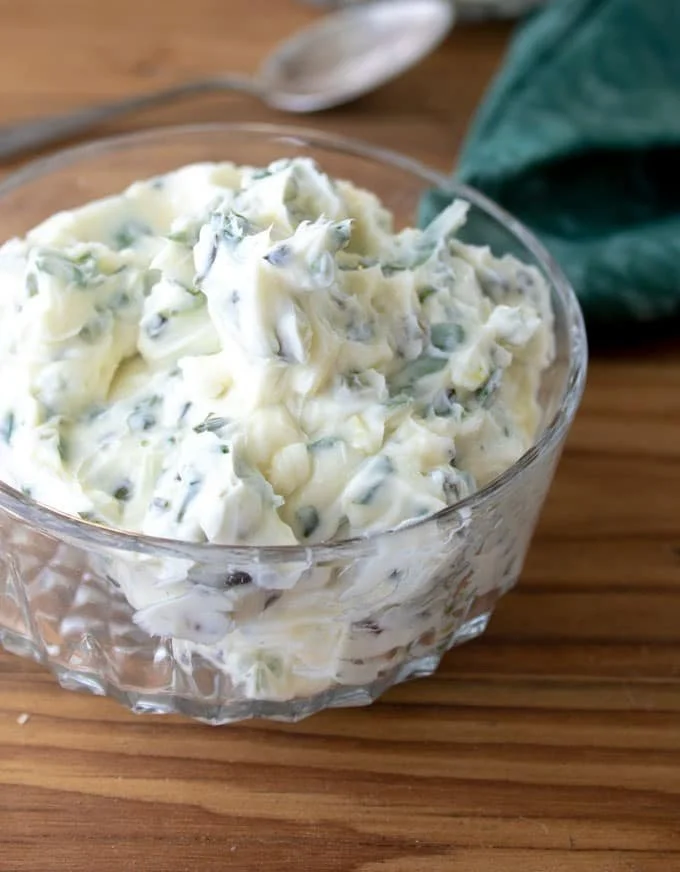
Photo Credit: Binky’s Culinary Carnival
You can also try to this site which gives twelve ways to use garlic scapes.
How to Cook With Garlic Scapes | Bon Appétit (bonappetit.com)
Week 4
Welcome to week 4. We hope that you enjoyed your bag last week and that you were able to utilize all the items we packed for you.
Last week, we planted another succession of cantaloupe, got our sweet potatoes in the ground, and moved the chickens into their summer enclosure. We finally tackled the enormous burn pile of old wood, resulting in a towering bonfire that exceeded 25 feet and we've been busy pruning the tomatoes in preparation for the upcoming harvest. The highlight of the week, however, was Matt finally receiving his new Gator, a moment he's anticipated for quite some time, and he couldn’t be happier.
He made several upgrades to it, including a 25-gallon sprayer, a hydraulic bed, a winch, and a tool rack. These enhancements will significantly simplify his tasks on the farm and extend his ability to work comfortably. Many may not be aware that Matt was involved in a serious helicopter crash back in 2010, which ended his career in the Army. At that time, he was told that he would face lifelong physical challenges that would worsen with age.
Matt chose farming as his second career, which keeps him active; however, it can be tough on his body and sometimes hinders his ability to work effectively. Until now, he has relied on his tractor to navigate around the farm, but that wasn't a viable long-term solution. With the Gator, he will have a much smoother time checking on the sheep, managing the bees, transporting equipment, spraying and harvesting crops, and generally getting about with ease. This upgrade will allow him to continue enjoying his work for many more years to come.

Auggie Doggie… farm dog extraordinaire!

Farm chores

Chickens loving their summer run
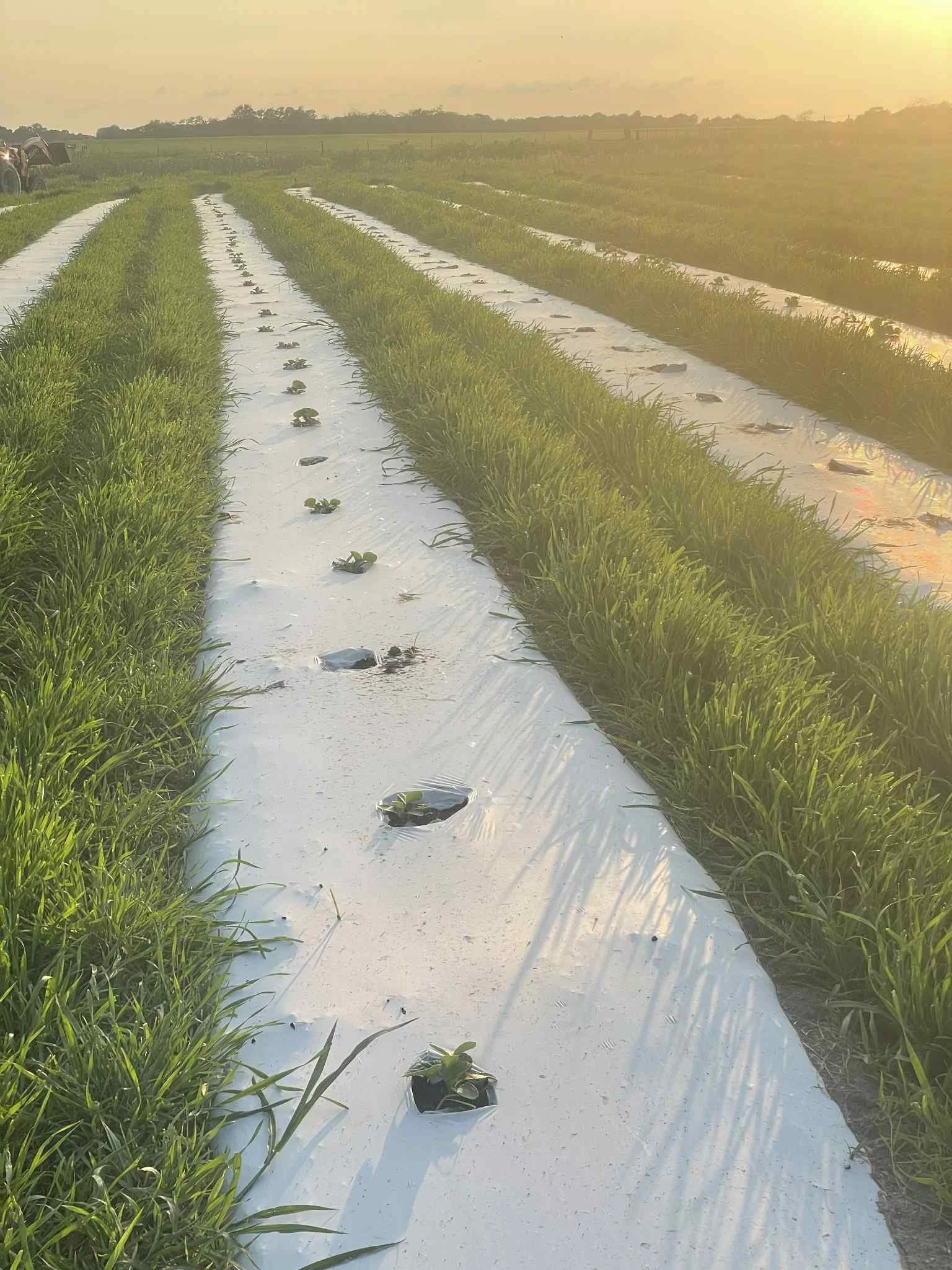
Cantaloupe is coming up nicely
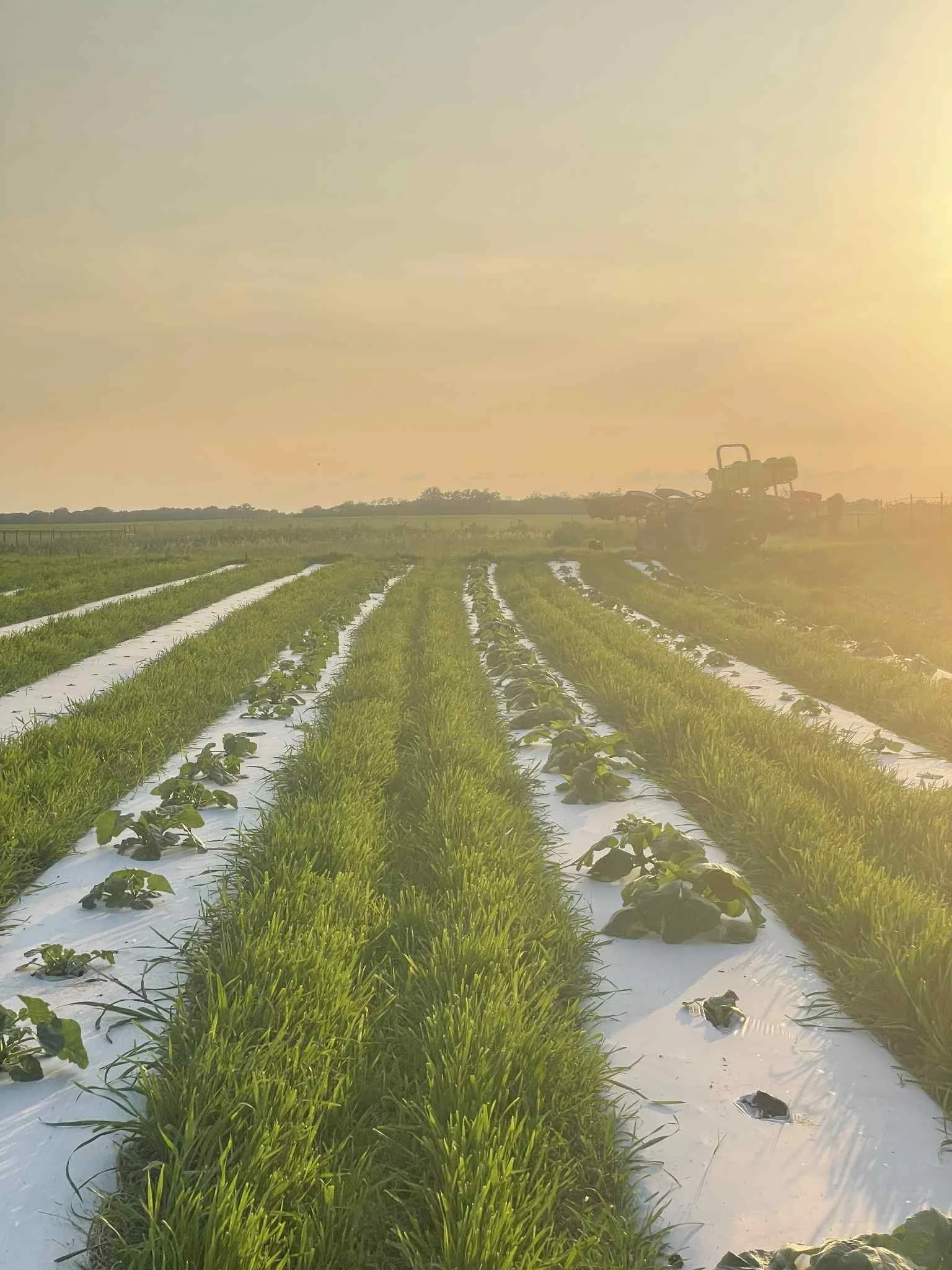
First round of winter squash

Tomatoes are coming so so soon!
IF ALL ELSE FAILS
If your week has been crazy and you haven’t had time to do a thing with items in your bag, focus on these tasks:
Make sure the greens are removed from the root vegetables. Your roots will store for a good while, your greens from your root vegetables need to be used or lose them.
Lettuce and Kale will store for at least 7 days. We wash and spin dry your lettuce one time. You should wash and dry again before consumption. Keep in mind moisture leads to spoilage. You can wait to wash your greens until you plan to consumer them. Place greens in an airtight container such as a bag or Tupperware.
You can freeze green onions including the leafy green tops, the white bulb end, and the stem in between. After freezing, the texture changes somewhat. Stem and bulb portions become soft, while the green parts sometimes become tough
Parsley wash and dry thoroughly. You want to make sure no excess water is present as that can cause freezer burn. Cut the lower part of the stems. Place cleaned and dried parsley in a large freezer bag and push it down to the bottom
Greens such as carrot tops or other veggie scraps can be saved and used for homemade vegetable broth. Try this recipe: How to Make Vegetable Broth Using Saved Kitchen Scraps ~ Homestead and Chill
NEXT WEEK’S POSSIBILITY’S
Your bag next week will include 6-7 of the following depending on availability and if it’s ready to harvest.
Carrots
Herbs
Lettuce (head or mixed)
Turnip
Beets
Kale
Tomatoes (big maybe but, they’re close)
Garlic Scapes
Wishing you a fantastic week ahead, see you next week!
Summer CSA Week 4
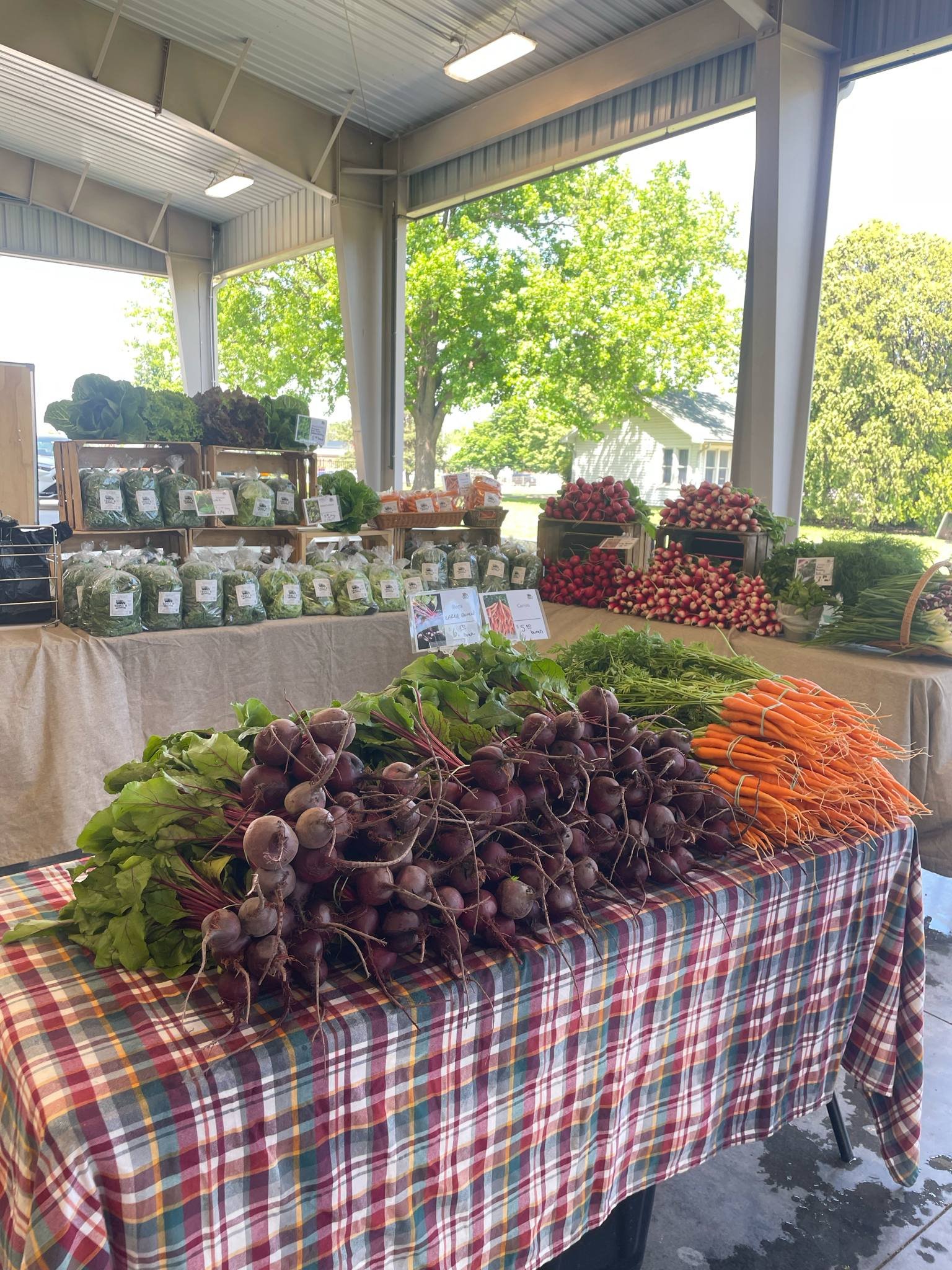
WHATS IN YOUR BOX THIS WEEK AND HOW TO USE IT
CARROTS- If your carrots have the tops on, take them off right away to avoid limp carrots. The tops like to suck the moisture from the root (carrot) which makes for lifeless carrots. Store carrots in the refrigerator in a plastic bag or container. They can store for several weeks and sometimes even months. $5
SPRING ONIONS - Store in the refrigerator crisper drawer for up to one week. You can peel off layers that become dry or slimy if used after one week. $3.00
HERBS - Rosemary $2.50
Rosemary - You have a couple of options to store Rosemary. First, place the rosemary sprigs in a large mason jar or glass of water, just like you would with a bouquet of flowers. You can set this on the counter, and it will last a few days this way. Second, you can take a slightly damp paper towel and wring out any excess water (should be damp but not soaking wet). Wrap the damp paper towels around the rosemary sprigs. Put the paper towel wrapped rosemary sprigs into the ziplock baggie and seal it, ensuring there is no air inside. Store the bag in the refrigerator and it can last for up to two weeks!
SWEET TURNIPS OR KALE -
Turnips cut off tops immediately. Store the roots in a bag in your refrigerator. Before use wash your beets., you can peel them with a knife or peeler if you choose. You can roast them in foil or boil them, and the peels will come right off. Turnips do not require you to peel them, but you should use prior to use. $5
Kale loves the crisper drawer. Does well in a loose bag in your refrigerator. Wash prior to use. Stores normally for UP to two weeks. $5
LETTUCE MIX - Store in a plastic bag loosely in your refrigerator. The ideal temperature for storing lettuce is at or near 32 degrees. Wash prior to use. Lettuce stores normally for up to 7-10 days in the crisper drawer. $5
SPINACH - Maintain loosely in a bag in your crisper drawer. Wash well prior to use. Stores normally for 7-10 days in the crisper drawer. $5
RADISH - Remove the greens from the root. If you choose to keep the greens, wash them and then store wrapped in a damp paper towel in a bag. Place in the crisper of the refrigerator. The root can store up to two weeks in the fridge in a plastic bag. Wash before use. $5
VEGGIE OF THE WEEK
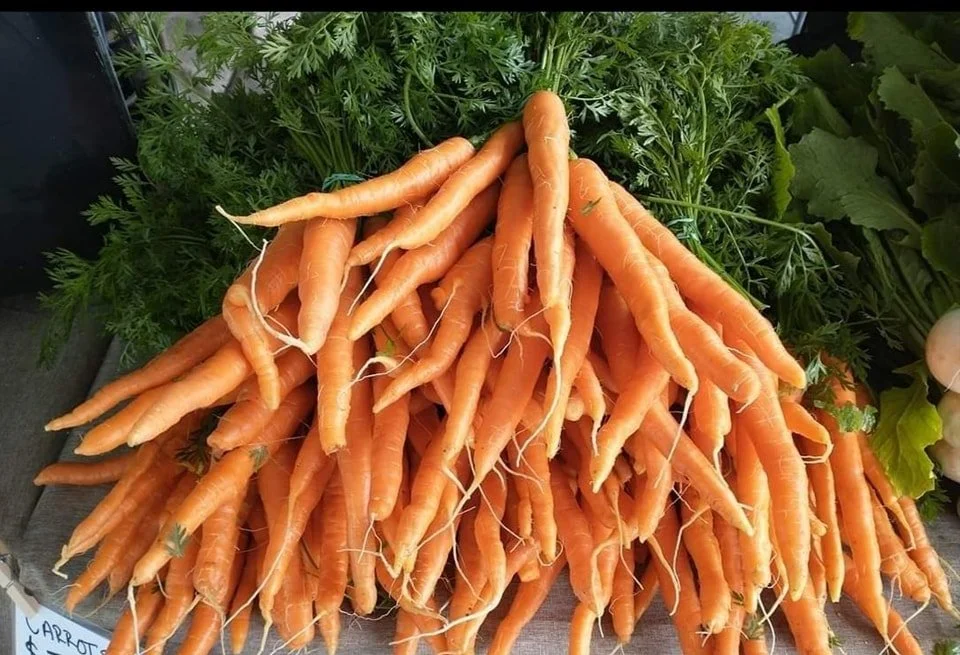
CARROTS
What I did not give enough credit to prior to becoming market farmers is local carrots. Honestly, I don’t think most people do. Carrots are not something I would consistently see at farmers markets and if I did, they were small and stubby, which is one of the reasons I never bought them. Once we grew our first good crop of carrots I was hooked, the taste was so much sweeter than store bought. (A little farmer tip…. carrots are at peak sweetness in the spring and fall) Our kids will eat carrots right out of the field, but we have a couple great recipes that your family is sure to love too!

I found this recipe on Instagram over the winter. We had 20lbs of leftover carrots after the Thanksgiving holiday and this has easily become my go-to recipe.
I have included this recipe below in case you don’t have Instagram.
Ingredients:
2 lbs carrots, peeled and cut to 1.5” in length and 1/2” thickness
3 tbsp olive oil
1/4 cup honey
1 tsp smoked paprika
1 tsp cinnamon
1 tsp salt
1/4 tsp pepper
Directions:
Preheat your oven to 425
In a small jar, whisk together your honey, olive oil, spices, garlic salt and pepper
Add your carrots to a bowl and toss with your honey mixture
Add your carrots to a parchment-lined sheet pan, pouring any remaining honey mixture over top, and roast in the oven for 25 minutes, tossing once halfway through
Remove from oven, toss again, then service and enjoy!

Photo Credit: The Endless Meal
Carrot Top Pesto - uses carrot tops and spinach!
Pesto can be enjoyed with eggs, spread on sandwiches, or mixed into pasta dishes.
My Favorite Carrot Cake Recipe - Sally's Baking Addiction (sallysbakingaddiction.com)
For my sweet tooth lovers, carrot cake. YUM
Parmesan Roasted Carrots Recipe - Cafe Delite
WEEK 4
This week, we took a trip to Richmond to acquire a barrel washer. A barrel washer features a rotating barrel and a system for delivering fresh water, allowing us to rinse and clean various root vegetables effectively. We specifically intend to use it for washing our potatoes and the carrots that are harvested without their tops. Labor can often be a bottleneck on the farm, so any piece of equipment that helps reduce labor hours is a significant advantage, especially when it’s in excellent condition at a used price!

Photo Credit: Grindstone Farm
We’re already a quarter of the way into the season, and time seems to be flying by. This year’s season is starting off much cooler than last year, causing our heat-loving crops to lag about ten days behind schedule. Fortunately, the forecast suggests that temperatures will rise towards the end of this week, which should provide a much-needed boost for those summer crops. Our outdoor plants are currently soaking up the rainfall and thriving, which is essential for their survival during the intense heat we all know is on the horizon. I took the pictures below last week, the summer crops you’re all patiently waiting on are coming, we promise!
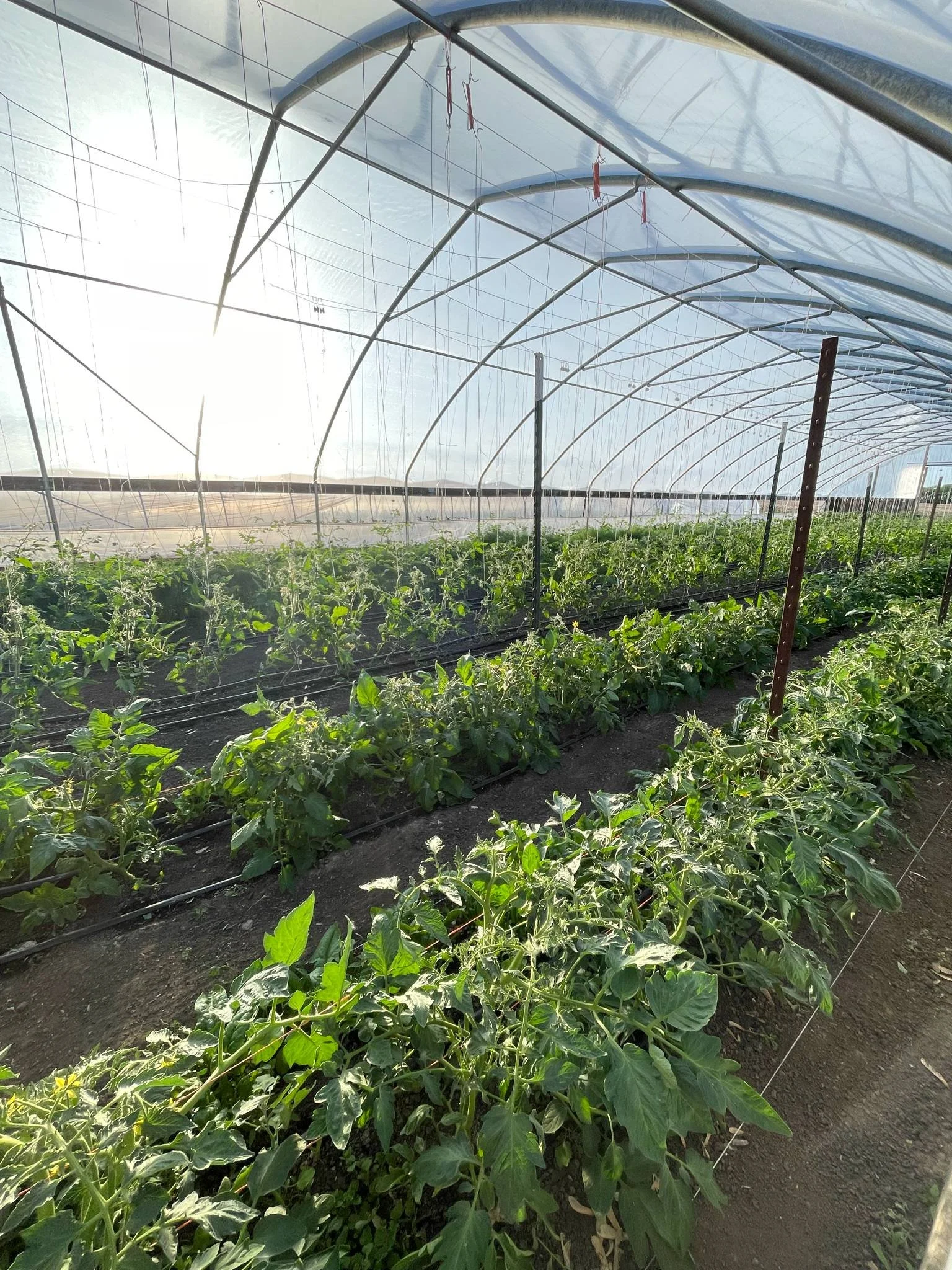
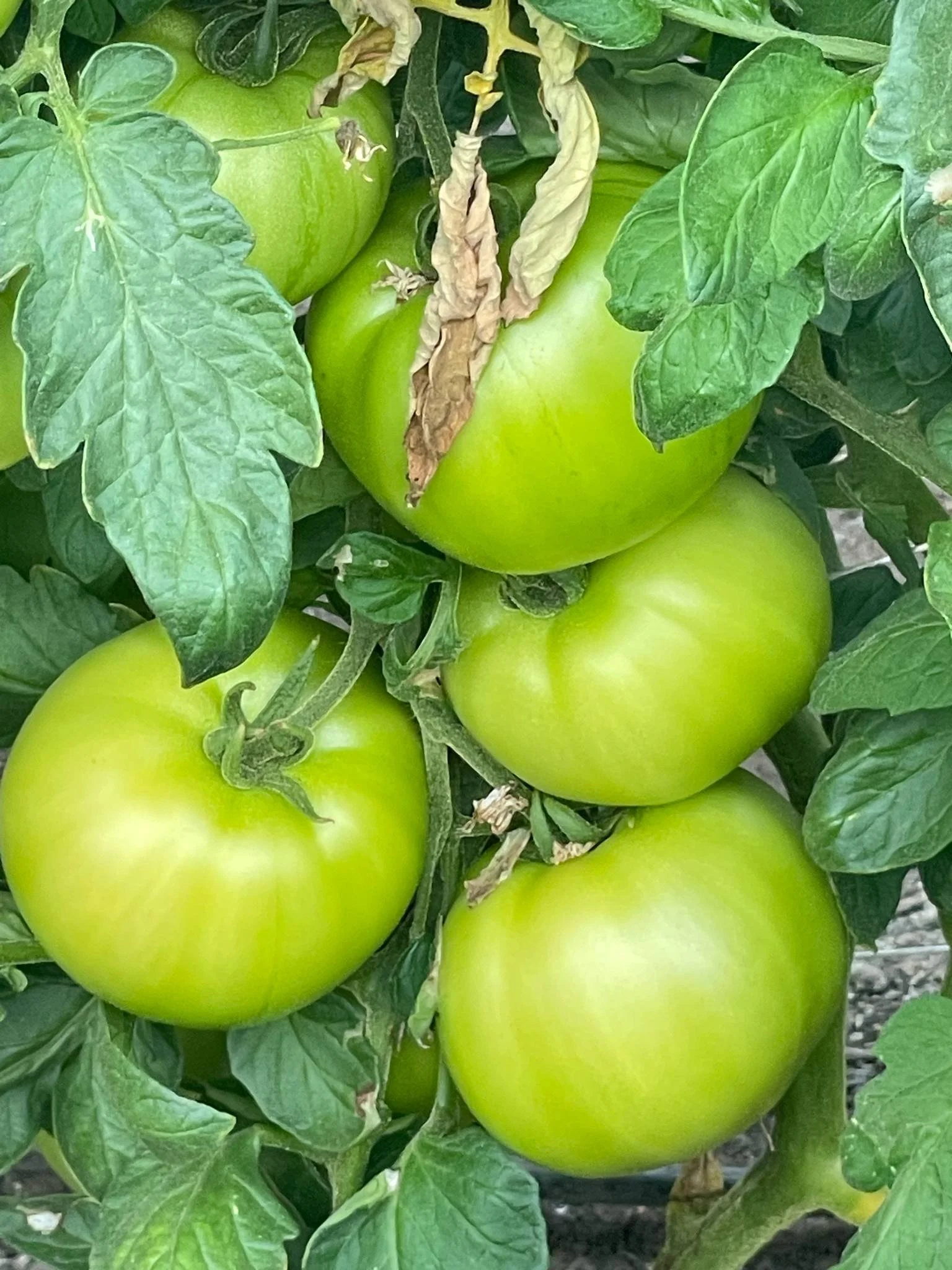
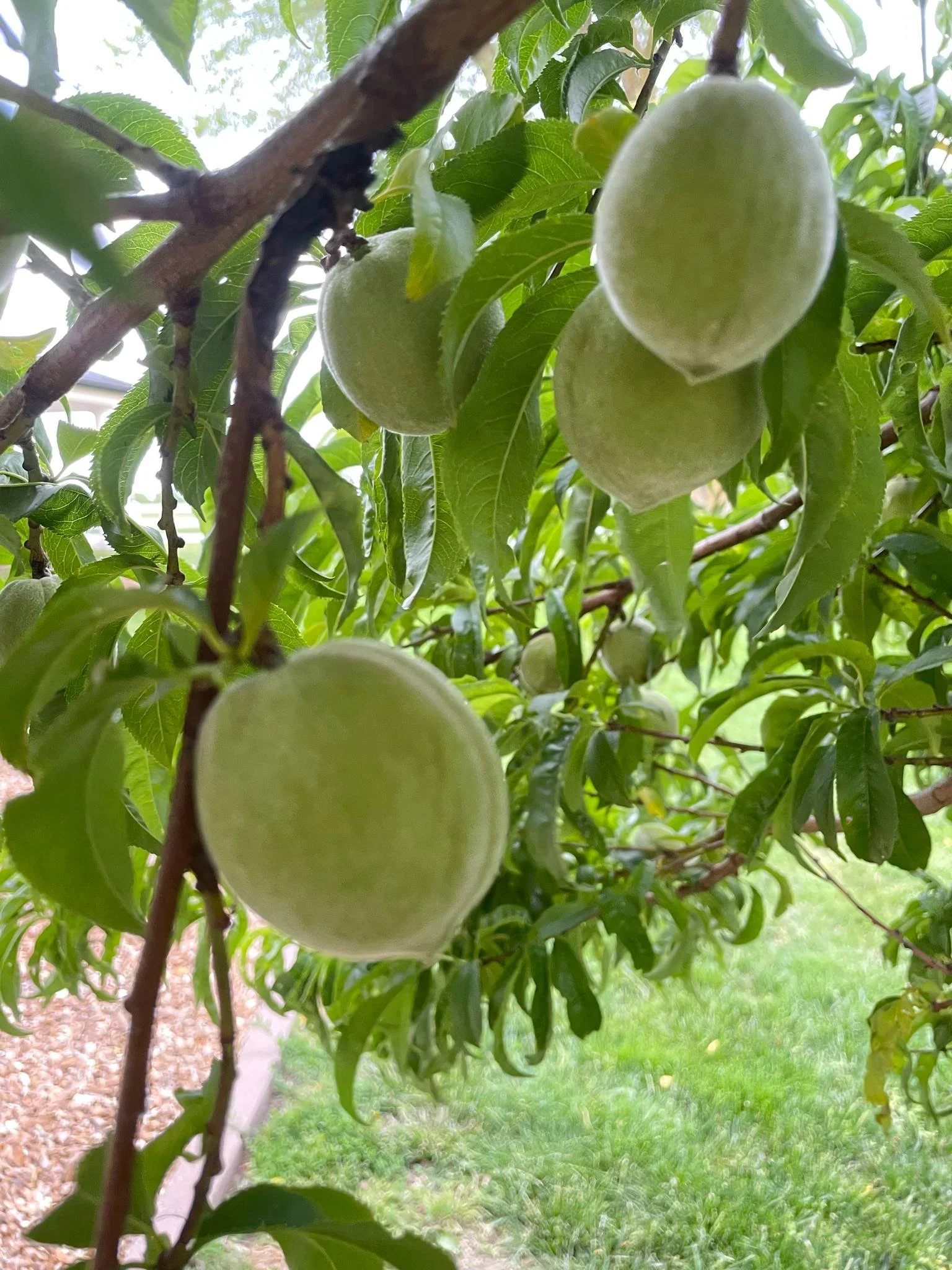
IF ALL ELSE FAILS
If your week has been crazy and you haven’t had time to do a thing with items in your bag, focus on these tasks:
Make sure the greens are removed from the root vegetables. Your roots will store for a good while, your greens from your root vegetables need to be used or lose them.
You can freeze green onions including the leafy green tops, the white bulb end, and the stem in between. After freezing, the texture changes somewhat. Stem and bulb portions become soft, while the green parts sometimes become tough
Rosemary can freeze. Wash sprigs thoroughly and dry them well. Leave the leaves on the stem and arrange the sprigs on a baking tray so that the individual stems do not touch − this prevents the stems from freezing together and makes it easier to remove individual sprigs later. Place the baking tray in the freezer for a few hours to freeze the rosemary sprigs. Once frozen, transfer the rosemary sprigs to a freezer bag and store them in the freezer. Frozen rosemary can be stored for a year or more. Frozen rosemary sprigs do not need to be defrosted before cooking
Lettuce, spinach, kale will store for at least 7 days. We rinse and spin dry your greens one time. You should rinse and dry again before consumption. The best way is with a hand crank salad spinner. Keep in mind moisture leads to spoilage. You can wait to wash your greens until you plan to consumer them. Place greens in an airtight container such as a bag or Tupperware. Greens will hold for 9-14 days.
With any herb you can also make a compound butter and freeze. Try this link for recipes: Herb Compound Butter Recipe - Love and Lemons or this one: Herb Compound Butter - Downshiftology
Greens such as carrot tops or other veggie scraps can be saved and used for homemade vegetable broth. Try this recipe: How to Make Vegetable Broth Using Saved Kitchen Scraps ~ Homestead and Chill
NEXT WEEK’S POSSIBILITY’S
Your bag next week will include 6-7 of the following depending on availability and if it’s ready to harvest.
Carrots
Green Onions
Beets
Kale
Turnips
Herbs (Parsley, Dill, Oregano, Sage, Basil or Rosemary)
Lettuce (head or mixed)
Spinach
Radish
Garlic Scapes
Wishing you a fantastic week ahead, see you next week!
Summer CSA Newsletter: Week 3
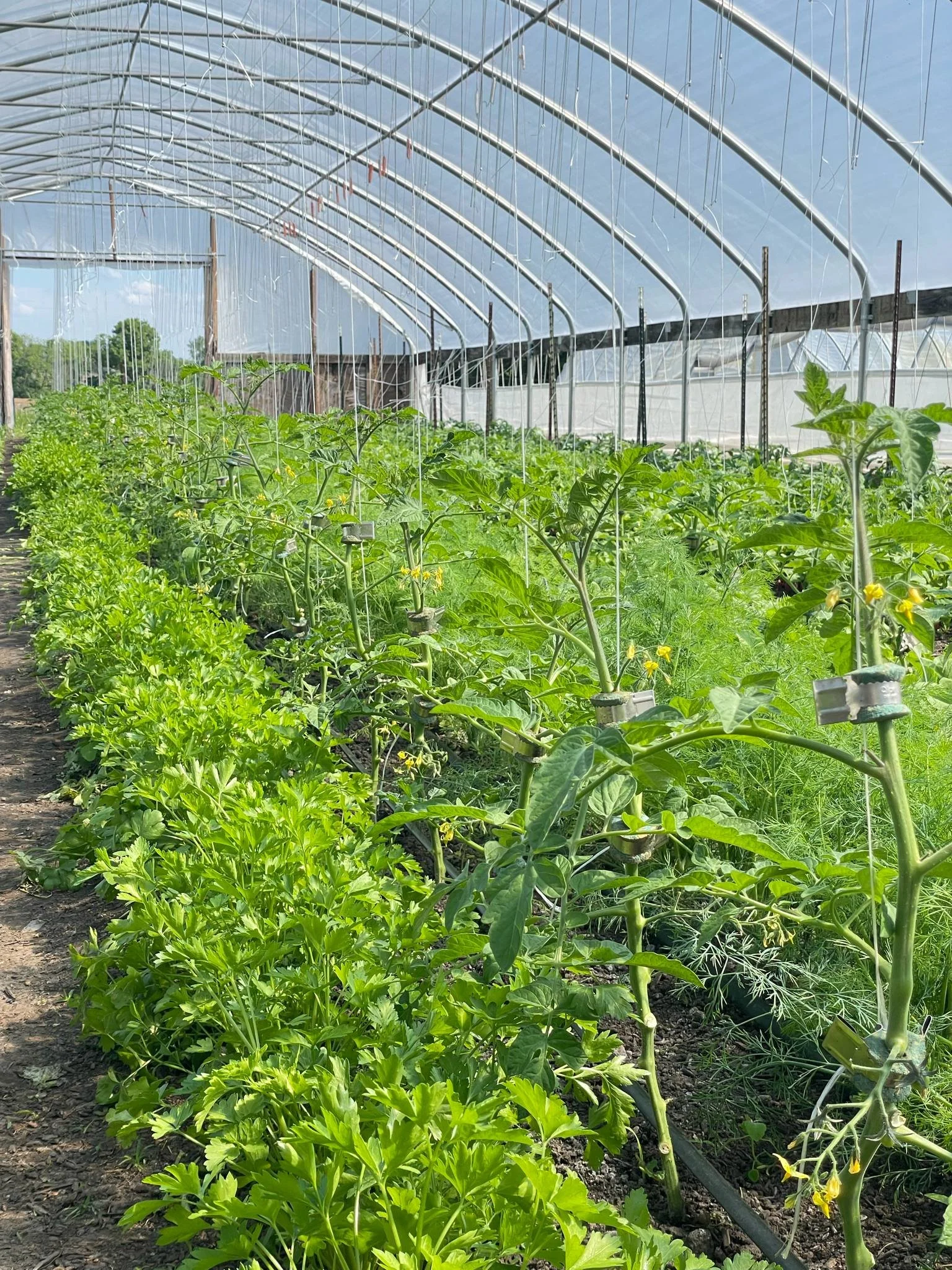
Inter-planted Heirloom house.
WHATS IN YOUR BOX THIS WEEK AND HOW TO USE IT
LETTUCE MIX - Store in a plastic bag loosely in your refrigerator. The ideal temperature for storing lettuce is at or near 32 degrees. Wash prior to use. Lettuce stores normally for UP to two weeks. $5
BEETS - cut off immediately. Store the roots in a bag in your refrigerator. Before use wash your beets., you can peel them with a knife or peeler, or you can roast them in foil or boil them, and the peels will come right off. Turnips do not require you to peel them, but you should use prior to use. $6.50
RADISH - Remove the greens from the root. If you choose to keep the greens, wash them and then store wrapped in a damp paper towel in a bag. Place in the crisper of the refrigerator. The root can store up to two weeks in the fridge in a plastic bag. Wash before use. $5
SPRING ONIONS - Store in the refrigerator crisper drawer for up to one week. You can peel off layers that become dry or slimy if used after one week. $2.50
SPINACH - Maintain loosely in a bag in your crisper drawer. Wash well prior to use. Stores normally for one - two weeks. $5
HERBS - Cilantro: Trim a little off of the bottoms of the stems so that they can take in more water. Fill a jar or glass partially with water and set the dill inside. An inch or two of the stems should be submerged.: Cover the jar of herbs loosely with a plastic bag. Store in the refrigerator. Change the water when it becomes cloudy (every few days). The herbs should stay fresh for 1 to 2 weeks. $2.50
HEAD LETTUCE: Whole heads of lettuce are perfect for stacking on sandwiches or serving as the foundation of salads. Leave the heads intact and do not wash until you’re ready to use them. Whole heads of lettuce will stay fresher much longer than chopped pieces or individual leaves. Place in a lightly vented bag and store in your crisper drawer. Can store for up to 7 days. $5
Week 3
Welcome to week 3. We hope that you enjoyed your bag last week and that you were able to utilize all the items we packed for you. Here at the farm, this week we ripped out our remaining strawberry plants, which wasn’t what we wanted to do but, they have not produced as we had hoped and we are pretty sure they were part of the group that contracted Neo-P. Refer to CSA newsletter week 1 to read what Neo-P is and how it affected many strawberry growers this year.
As many of you are new to our CSA, we thought now would be a good time to introduce you to team members that you might come in contact with during the season.
We, Matt and Kim Tennill, are the proud owners of Triple H Family Farms and serve as your dedicated farmers. We have owned our farm since 2012 and started farming for market in 2017. Matt and I work together on most things on the farm but, Matt primarily takes charge as our contractor, tractor driver, equipment fixer, root crop harvester, and pest management supervisor. On the other hand, Kim efficiently manages all computer-related tasks, farm market setup, customer service, and daily farm operations. When you visit the farmer's market, it is highly likely that you will encounter either one or both of us.

Kim with our middle son Wyatt.


How we want to look

How we actually look on a daily basis!
Matt and I have been married for 19 years and we are blessed to have six children and one granddaughter. Our children's ages range from 3 to 23, and four of them still reside with us at home. While spring and summer demand our attention and dedication to the farm, during fall and winter, we shift gears and focus on our children's extracurricular activities, school events, holidays, and family vacation. This year, we are also dipping our toe into year round farming and we will try to be at the Columbia Farmers Market as much as possible during the 2025-2026 winter market.
During the spring and summer, we look like the image on the right, but during the winter we do try to look like the picture on the left. This picture was taken in Mexico and it has become one of our favorite places to visit in the off season. We have taken our children who LOVE to travel and get out of school for a week to swim, snorkel, explore and stuff themselves with unlimited treats while we’re there. We are trying to make plans to go to the Dominican or Jamaica this winter as our middle son will be in his senior year and unlikely to be able to take many family vacations with us after he graduates.

Introducing one of our new additions to our farm this year is our dedicated team member, Kaleb. Kaleb’s sister Kylie worked for us last year in our wash pack shed. Kaleb is currently a high school student in Sweet Springs. He plays numerous sports and participates in his local FFA chapter. His primary responsibilities will be to assist with cultivation, seeding, harvest, wash/pack, irrigation and any place we need a set of extra hands.

Our other new addition this year is Brent. Brent and his family live in the Marshall area. He brings an enthusiasm to learn and a willingness to do whatever we put in his path. Similar to Kalb, Brent’s primary responsibilities will be to assist with cultivation, seeding, harvest, wash/pack, irrigation and any other task we set before him. We are excited to have him this summer!
VEGGIE OF THE WEEK
Beets
Beets, often underestimated and can be intimating to many. These are colorful root vegetables that bring a wealth of health benefits to the table. Rich in essential vitamins and minerals, beets are incredibly nutrient-dense while being low in calories, making them a perfect addition to your daily plate.
When I, (Kim), grew up we never ate beets. I was in my late 30’s before ever trying to incorporate them into a meal. I was pleased to find that I could roast, boil, pickle or juice them which all can be fairly simple. Beets also pair well in salads and you can eat the greens.
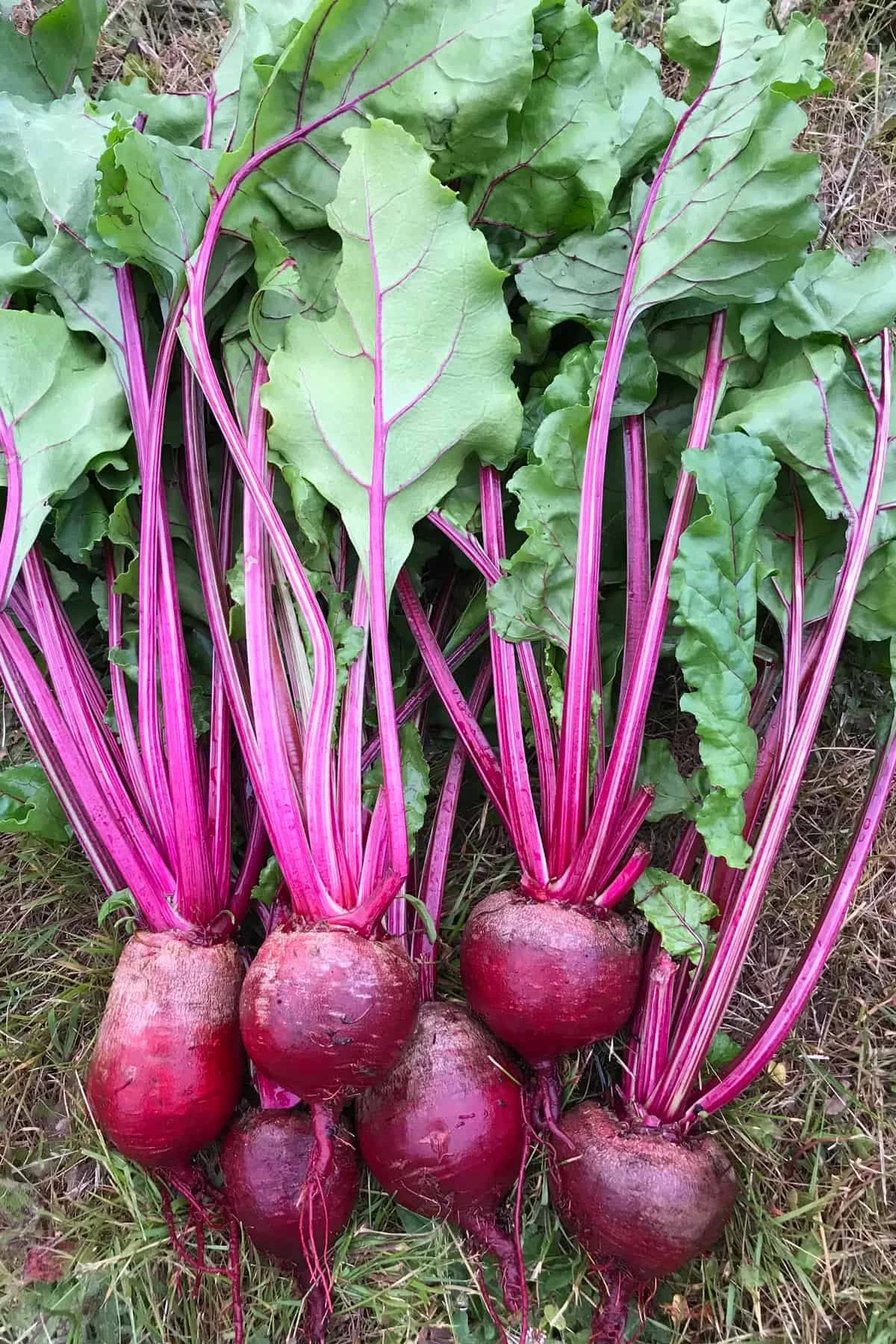
Photo Credit: Daring Gourmet
Sauteed Beet Greens
1 bunch of beet greens
1 teaspoon extra virgin olive oil
1 garlic clove, finely chopped
Sea salt and freshly ground black pepper
2 tablespoons golden raisins
Lemon wedge, for squeezing
1 tablespoon chopped walnuts or pistachios
Instructions
Separate the stems from the beet greens. Finely chop the stems and coarsely chop the leaves.
Heat the olive oil in a large skillet over medium heat. Add the garlic and the beet stems and cook, stirring, for 1 minute. Add the beet greens, a few pinches of salt, and several grinds of pepper. Sauté, tossing, until just wilted.
Turn off the heat, add the raisins, and squeeze with lemon juice. Toss to combine. Transfer to a platter, top with the walnuts, and season to taste with more salt and pepper.
Sautéed Beet Greens Recipe - Love and Lemons
Whole Wheat Strawberry Beet Muffins Recipe - Super Healthy Kids
These look fun and something I might try with my kids!
Beet Smoothie | Healthy Breakfast Smoothie Recipe (wellplated.com)
Wilted Lettuce Salad Recipe (allrecipes.com)
Too many greens to deal with? Freeze your spinach and use it in the future in omelets, chicken alfredo, quiche and many other recipes.
This is a favorite of ours. It will use your lettuce, green onions and cilantro. We are cheaters and buy over the counter premade tzatziki sauce and I marinate boneless skinless thighs in Olive Garden Italian dressing for 4-6 hours, dump it in a pan and saute slowly while covered. I then dice up the chicken and serve with warm pitas with a dollop of the tzatziki sauce, cut up cucumbers, onion and cherry tomatoes. YUM!

Photo Credit: Garlic and Zest
This is a yummy option for kale but you can substitute spinach! My kids don’t even realize there is spinach in it!
Bacon Cheddar Kale Quiche - Garlic & Zest (garlicandzest.com)
IF ALL ELSE FAILS
If your week has been crazy and you haven’t had time to do a thing with items in your bag, focus on these tasks:
Make sure the greens are removed from the root vegetables. Your roots will store for a good while, your greens from your root vegetables need to be used or lose them.
Lettuce and Spinach will store for at least 7 days. We wash and spin dry your lettuce one time. You should wash and dry again before consumption. Keep in mind moisture leads to spoilage. You can wait to wash your greens until you plan to consumer them. Place greens in an airtight container such as a bag or Tupperware.
You can freeze green onions including the leafy green tops, the white bulb end, and the stem in between. After freezing, the texture changes somewhat. Stem and bulb portions become soft, while the green parts sometimes become tough.
Greens such as carrot tops or other veggie scraps can be saved and used for homemade vegetable broth. Try this recipe: How to Make Vegetable Broth Using Saved Kitchen Scraps ~ Homestead and Chill
NEXT WEEK’S POSSIBILITY’S
Your bag next week will include 6-7 of the following depending on availability and if it’s ready to harvest.
Carrots
Herbs (Oregano, Sage, Basil or Rosemary)
Green Onions
Lettuce (head or mixed)
Beets
Kale
Spinach
Radish
Turnips
Wishing you a fantastic week ahead, see you next week!
Summer CSA Newsletter: Week 2
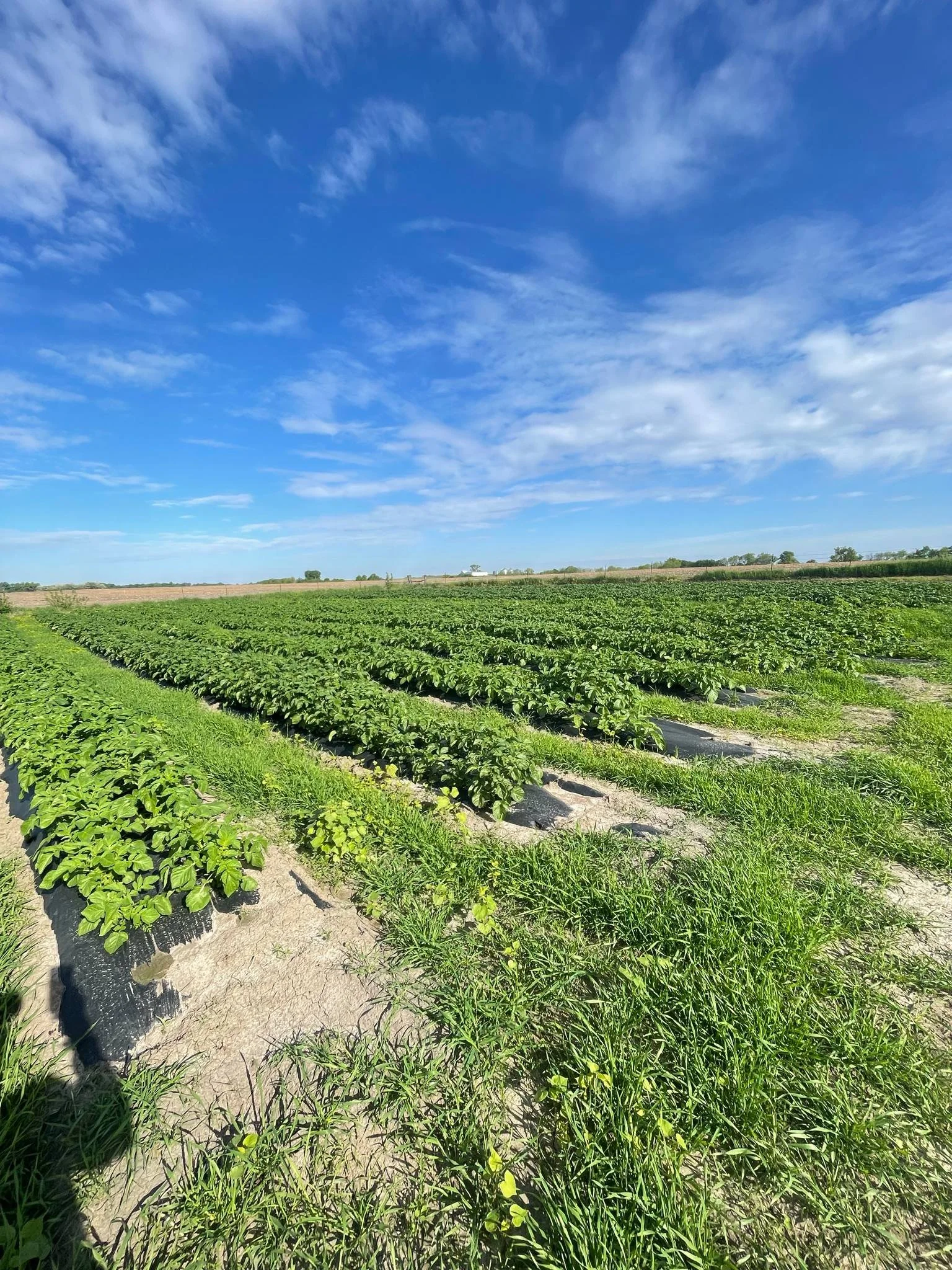
Our potato field is coming along nicely!
Week 2
We are currently working out the kinks and getting back into the swing of things before the explosion of produce that will be coming in the next few weeks. Employees are finding their groove and settling into their new roles and Matt and I are pushing hard to make 2025 our biggest and best year. Lots of cultivating, seeding, transplanting, harvesting, field scouting and a few last minute projects going on around here!
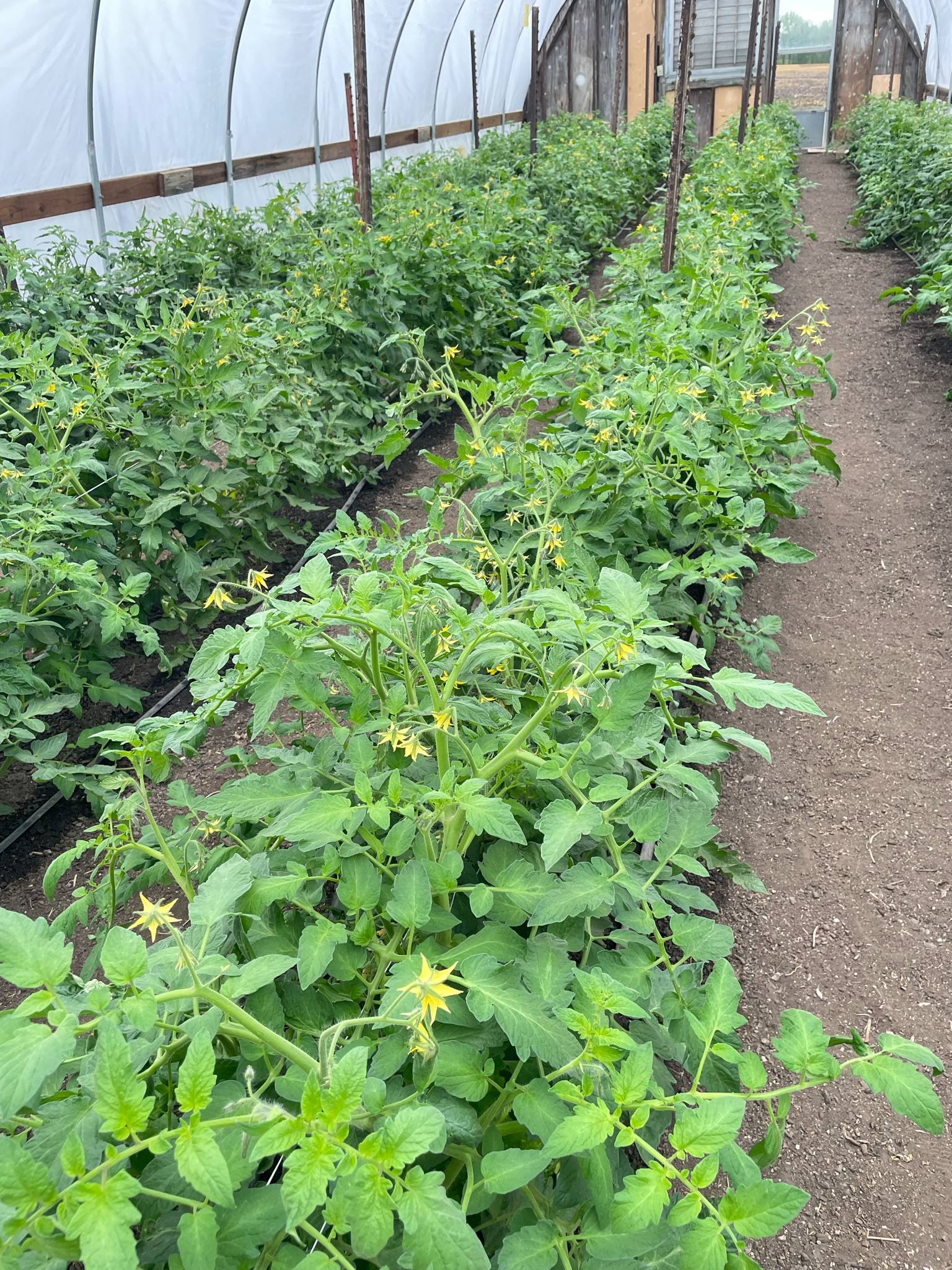
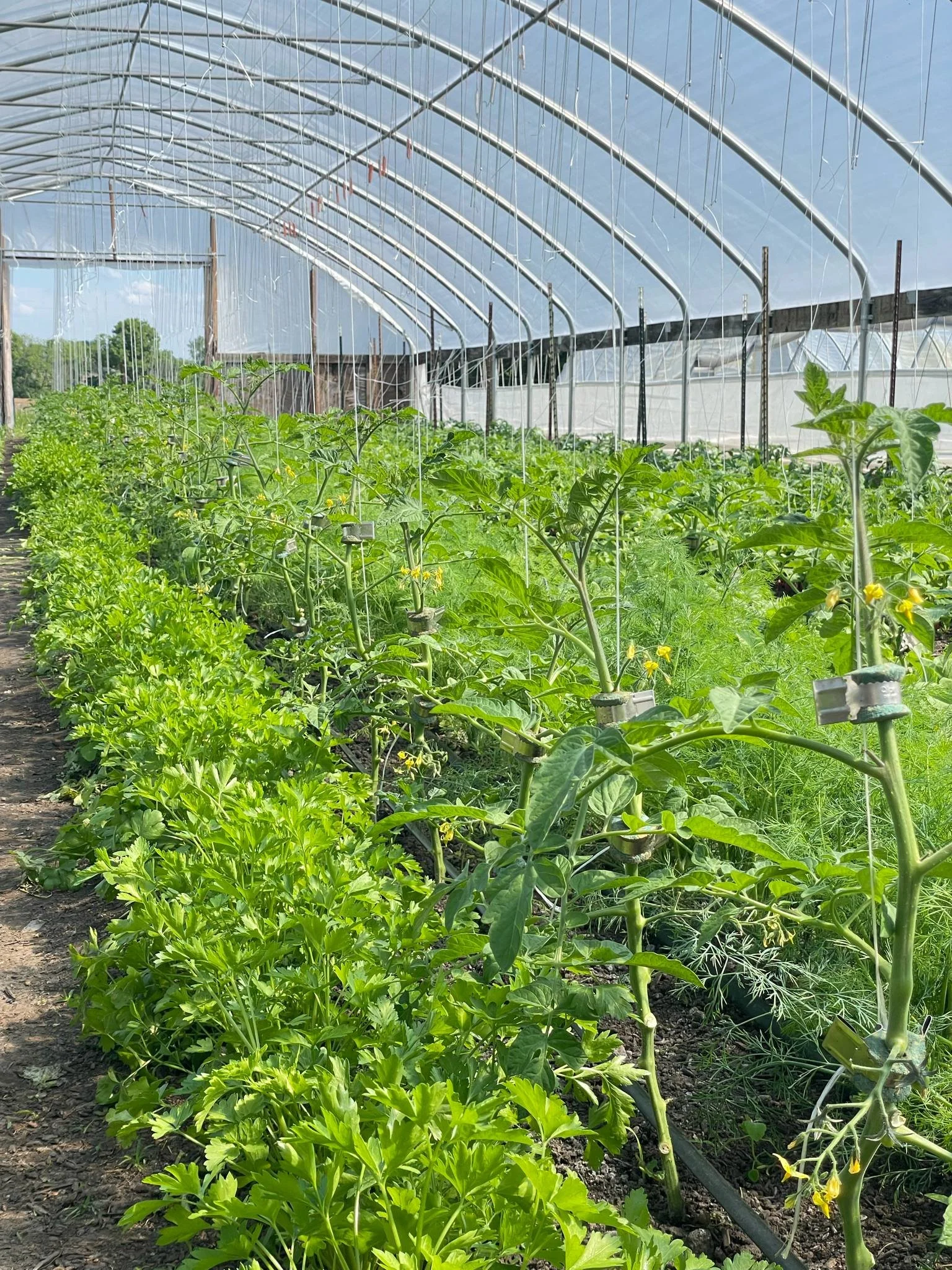
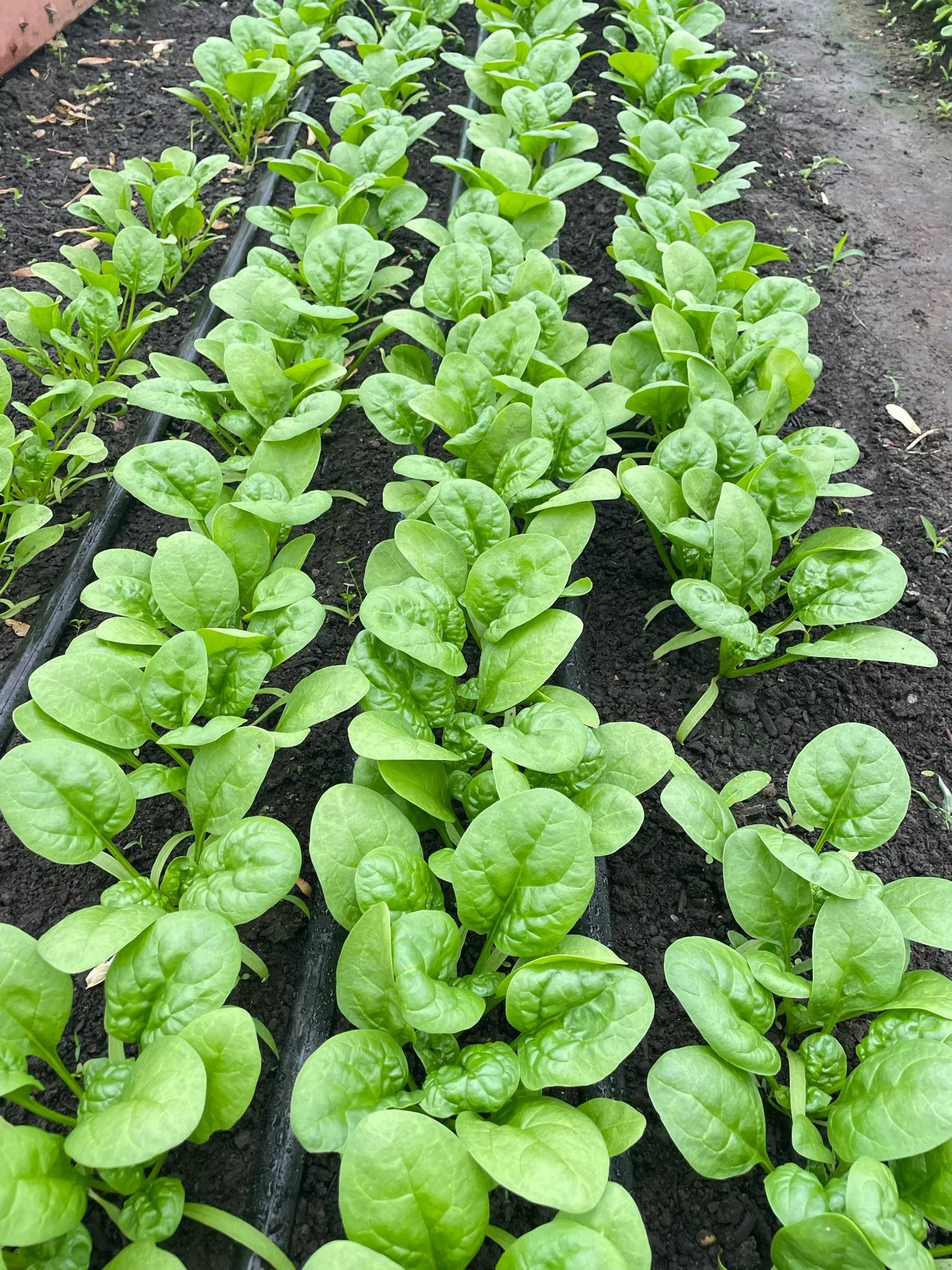
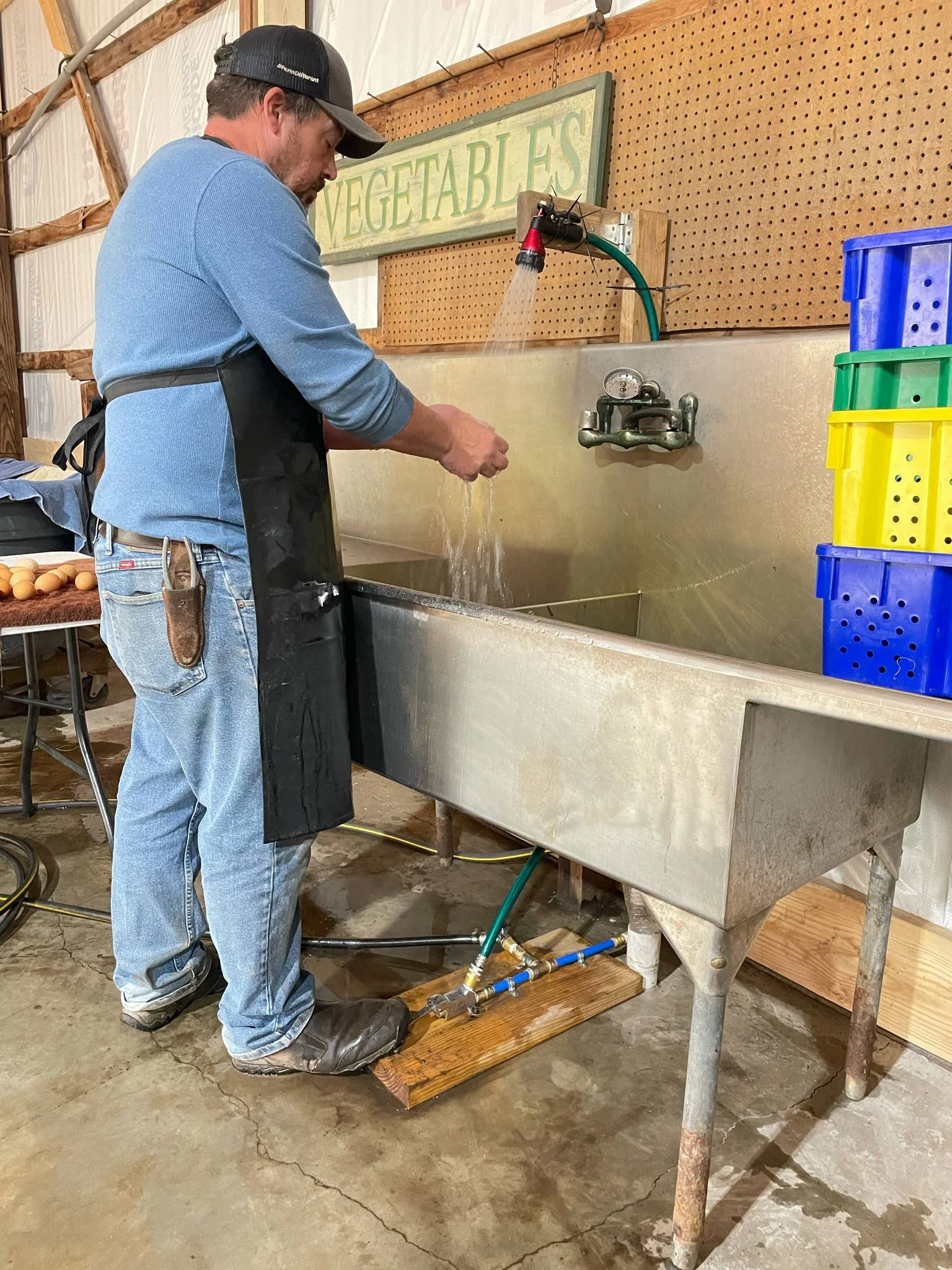
The weekend before the start of week one of the summer CSA was quite eventful for us. Our son attended prom, while our two youngest children experienced their very first dance! This past weekend was equally busy, featuring Mother’s Day, the graduation ceremony at Marshall High School, and various graduation parties. While, our middle son was caught up in high school festivities, celebrating with his friends who were graduating Matt and our youngest kids participated in what I affectionately call “Whatever Mom Wants Day!” We took some time to pick out new shrubs to replace a few plants that didn’t survive the winter, and we dedicated a significant portion of the day to completing the assembly of a large swing set we had purchased for the kids. Matt jokingly declared that he would never attempt to assemble another swing set again, having tackled several over the last 15 years! To be honest, I do hope that is the last swing set we have to put together.




WHATS IN YOUR BOX THIS WEEK AND HOW TO USE IT
STRAWBERRIES - Airtight containers are always best, preferably glass. DO NOT wash your berries until you plan to eat them. Please keep in mind these berries are outside and may have a little dirt with the storms we have had recently, which resulted in some splash back on the plants and fruit. $7.50
-OR- (if you received strawberries last week you will get asparagus this week.)
ASPARAGUS - Place them upright in a jar or cup with water, and cover the top with a plastic bag before refrigerating. This method mimics storing fresh flowers and helps keep the asparagus crisp and fresh for several days. $7.50
LETTUCE MIX - Store in a plastic bag loosely in your refrigerator. The ideal temperature for storing lettuce is at or near 32 degrees. Wash prior to use. Lettuce stores normally for UP to two weeks. $5
SPINACH - Maintain loosely in a bag in your crisper drawer. Wash well prior to use. Stores normally for one - two weeks. $5
RADISH - Remove the greens from the root. If you choose to keep the greens, wash them and then store wrapped in a damp paper towel in a bag. Place in the crisper of the refrigerator. The root can store up to two weeks in the fridge in a plastic bag. Wash before use. $5
SPRING ONIONS - Store in the refrigerator crisper drawer for up to one week. You can peel off layers that become dry or slimy if used after one week. $2.50
HERBS - Dill: Trim a little off of the bottoms of the stems so that they can take in more water. Fill a jar or glass partially with water and set the dill inside. An inch or two of the stems should be submerged.: Cover the jar of herbs loosely with a plastic bag. Store in the refrigerator. Change the water when it becomes cloudy (every few days). The herbs should stay fresh for 1 to 2 weeks. $2.50
HEAD LETTUCE: Whole heads of lettuce are perfect for stacking on sandwiches or serving as the foundation of salads. Leave the heads intact and do not wash until you’re ready to use them. Whole heads of lettuce will stay fresher much longer than chopped pieces or individual leaves. Place in a lightly vented bag and store in your crisper drawer. Can store for up to 7 days. $4
VEGGIE OF THE WEEK
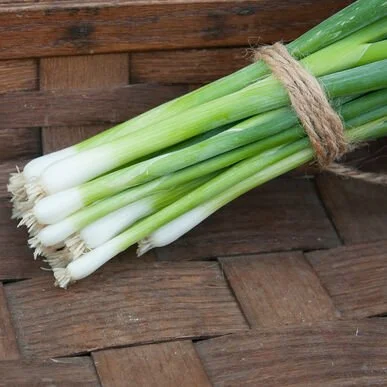
Photo Credit: Johnny Seeds
SPRING ONIONS
This is a revamp from last year's recipes and newsletter. I find if I write a brand new newsletter I want to keep adding the same recipes as last year, so I left those recipes again and added a few new ones. I guess my taste buds haven’t changed!
I LOVE green onions. I love the smell; I love the taste and I love using them as much as I can, fresh from the garden. I always look forward to a few certain easy recipes when certain produce comes in from the fields. Green onions are so easy with a small amount of cream cheese, wrapped in a thin slice of ham or prosciutto. YUM YUM YUM. A great cool and easy snack in the warming months. My grandmother would make these at Easter as an appetizer and I was more into chocolate bunnies then ham and onions but, 30 years later those chocolate bunnies are the last thing I want. Funny how our taste buds change and develop as we get older.
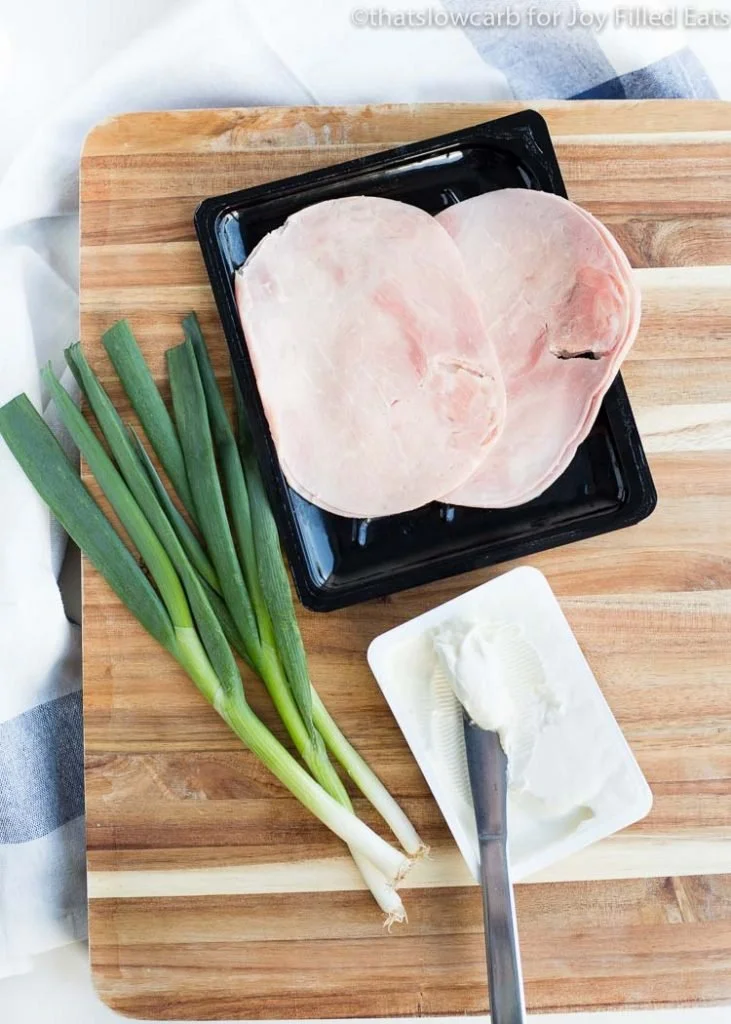
Photo Credit: Joy Filled Eats
Ham Roll Ups - Easy Appetizer Recipe (joyfilledeats.com)
Green Onions are great because you can use the entire plant, minus the tiny roots. The tops are perfect as a garnish or just to eat. I use the tops (chives/scallions), in eggs or omelets, salads, on top of bean dip or tacos, in compound butter, in dips, soups, on top of baked potatoes, salsa, potato salad, the list is endless. The onions have a nice crisp taste and are sweeter rather than spicy. I use them in much of the same way as the tops.

Photo Credit: In the Kitchen with Matt
Perfect Baked Potato Recipe | In the Kitchen with Matt
We are fast entering grilling season and a great baked potato is always easy and delicious. For simplicity I always use my pressure cooker to make baked potatoes and I love a good Yukon Gold. They are creamy, soft and tick all the boxes for me. However, their skin isn’t crisp like this bad boy is in the picture. A nice crispy skin russet with butter, sour cream, cheese, green onions and rock salt…..again you know I’m going to say YUM YUM YUM. You can also make this a meal instead of a side dish and make it a loaded potato with pulled BBQ pork or chicken. Also, a favorite in our house.
A few others to try:
Easy Stir Fry Vegetables – A Couple Cooks
You can substitute the red onion for green onions instead.
Air Fryer Breakfast Frittata - Recipes From A Pantry
This recipe uses spinach too and is in an air fryer!
Green Onion Dip - A Dash of Megnut
Easy summer dip.
I have not tried this but, I had a customer tell me it is a weird combination but super good.
IF ALL ELSE FAILS
If your week has been crazy and you haven’t had time to do a thing with items in your bag, focus on these three tasks:
Make sure your strawberries are still good and if you absolutely must - freeze them. You can do this whole if needed and later use them for a quick strawberry jam or make ice cream topping for ice cream! Fresh local berries are super sweet and we don’t add any sugar when we make ice cream topping. Smash them up until your desired consistency and add on top of vanilla ice cream.
Asparagus will store for quite a while in your fridge with no additional requirements.
Lettuce, spinach will store for at least 7 days. We rinse and spin dry your greens one time. You should rinse and dry again before consumption. The best way is with a hand crank salad spinner. Keep in mind moisture leads to spoilage. You can wait to wash your greens until you plan to consumer them. Place greens in an airtight container such as a bag or Tupperware. Greens will hold for 9-14 days.
Parsley wash and dry thoroughly. You want to make sure no excess water is present as that can cause freezer burn. Cut the lower part of the stems. Place cleaned and dried parsley in a large freezer bag and push it down to the bottom
You can freeze green onions including the leafy green tops, the white bulb end, and the stem in between. After freezing, the texture changes somewhat. Stem and bulb portions become soft, while the green parts sometimes become tough.
Make sure the greens are removed from the root vegetables. Your roots will store for a good while, your greens from your root vegetables need to be used or lose them.
Next Week’s Possibility’s
Your bag next week will include 6-7 of the following depending on availability and if it’s ready to harvest.
Strawberries
Kale
Green Onions
Carrots
Herbs
Asparagus
Lettuce (head or mixed)
Spinach
Radish
Beets
Wishing you a fantastic week ahead, see you next week!
Summer CSA Newsletter: Week 1
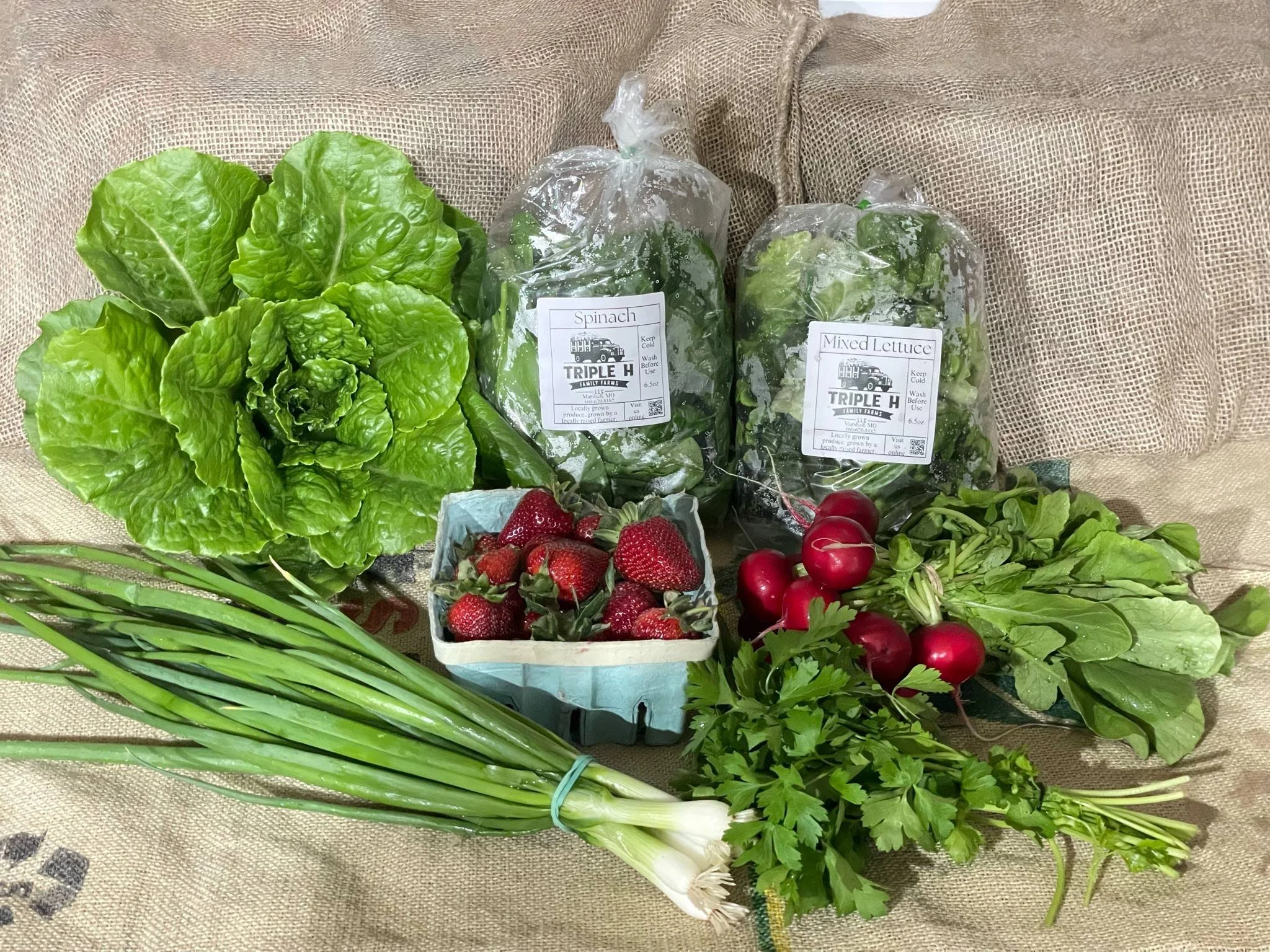
IT’S WEEK ONE!!!!!
Welcome! We are happy to have new and returning members for our 2025 Summer CSA. Thank you for supporting small businesses and local farms. We have a great selection of produce for the next 12 weeks, and we look forward to getting started!
By now, you should have received a welcome email with information about your pick-up location and day of the week. Please let us know if you have not received an email.
Returning for the second year is our weekly newsletter which will include multiple recipes and storage information to help you make the most of your CSA bags every week. We hope that this is helpful for you for the season and encourage you to try new vegetables and recipes, expanding your culinary repertoire. In the weekly newsletters, we will also highlight a crop each week, providing information on how to use it and sharing our go-to recipes as well as, my new category of, if all else fails do this (insert what this is). This is something we have attempted in the past, but we are committed to doing it to the degree we had originally planned.
We will also include short updates on the farm in each newsletter. These updates may include recent developments or events that have taken place on the farm. We have received requests from multiple members to know more about us, the farmers. We understand that pick-up locations can be busy, and we haven't always been as accessible as we would like. So, consider this newsletter as a glimpse into our crazy farm life.
Lastly, we will be providing a list of vegetables that you COULD be getting in your box for the next week at the end of each newsletter. We are hoping to be more transparent earlier in the process to allow you to get a glimpse of what could be coming and have the time to look up your own recipes that you want to try.
We appreciate your support and trust in us. We couldn't live this life without you. As we start this journey together for at least the next 12 weeks, we ask for your well wishes and prayers if you're the praying type. Thank you once again for being a part of this community.
Warm regards,
Matt and Kim
In Your Box This Week and How to Store Them
STRAWBERRIES - Airtight containers are always best, preferably glass. DO NOT wash your berries until you plan to eat them. Please keep in mind these berries are outside and may have a little dirt with the storms we have had recently, which resulted in some splash back on the plants and fruit. $7.50
-OR-
ASPARAGUS - Place them upright in a jar or cup with water, and cover the top with a plastic bag before refrigerating. This method mimics storing fresh flowers and helps keep the asparagus crisp and fresh for several days. $7.50
HERBS - Parsley : Trim a little off of the bottoms of the stems so that they can take in more water. Fill a jar or glass partially with water and set the parsley inside. An inch or two of the stems should be submerged.: Cover the jar of herbs loosely with a plastic bag. Store in the refrigerator. Change the water when it becomes cloudy (every few days). The herbs should stay fresh for 1 to 2 weeks. $2.50
SPRING ONIONS - Store in the refrigerator crisper drawer for up to one week. You can peel off layers that become dry or slimy if used after one week. $2.50
LETTUCE MIX - Store in a plastic bag loosely in your refrigerator. The ideal temperature for storing lettuce is at or near 32 degrees. Wash prior to use. Lettuce stores normally for up to 7-10 days in the crisper drawer. $5
SPINACH - Maintain loosely in a bag in your crisper drawer. Wash well prior to use. Stores normally for 7-10 days in the crisper drawer. $5
RADISH - Remove the greens from the root. If you choose to keep the greens, wash them and then store wrapped in a damp paper towel in a bag. Place in the crisper of the refrigerator. The root can store up to two weeks in the fridge in a plastic bag. Wash before use. $5
HEAD LETTUCE: Whole heads of lettuce are perfect for stacking on sandwiches or serving as the foundation of salads. Leave the heads intact and do not wash until you’re ready to use them. Whole heads of lettuce will stay fresher much longer than chopped pieces or individual leaves. Place in a lightly vented bag and store in your crisper drawer. Can store for up to 7 days. $4
VEGGIE OF THE WEEK
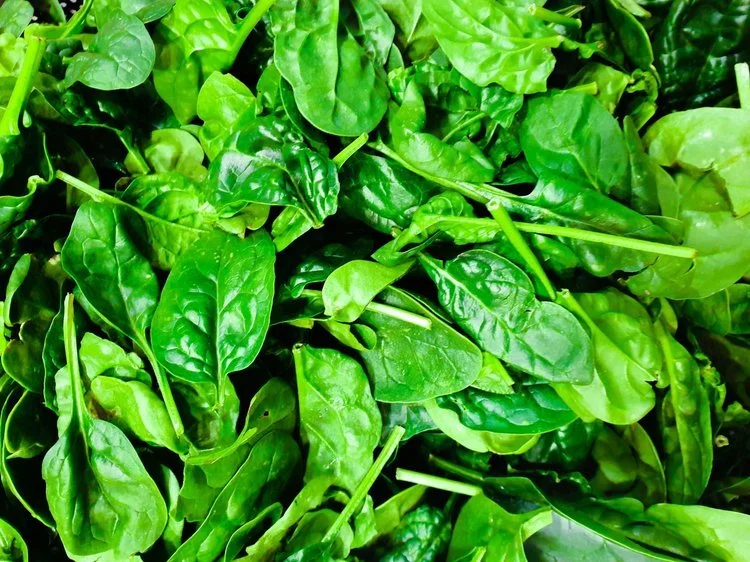
SPINACH
Our second bestselling leafy green. Our spinach is grown under cover to protect from those heavy spring rains. It is seeded early, and we cut from the same spinach plants once a week over a period of 3-4 weeks, weather dependent. Spinach loves cool weather and cool, moist soil and will be relatively quick to bolt once the weather turns warm. If you're not a fan of raw spinach, you are my people. Personally, I enjoy incorporating spinach in pasta dishes or lightly sauteing it. Additionally, for all the moms and grandmas out there looking to sneak in some nutritious goodness into your little ones' meals, my favorite trick is to put it in fruit smoothies or meatloaf! If you don’t need to hide it a good fettuccine recipe is always a favorite of ours. Add a little chicken or shrimp and a side salad! For veteran CSA members some of the recipes below will look familiar but, I did include several new ones as well!

Photo Credit: Spend With Pennies
My go-to meatloaf recipe is from the website Spend With Pennies. A few notes that I have made are:
Replacing ground beef with ground lamb and lean pork. (We always have ground lamb and pork which is why I use it often)
Instead of the recommended breadcrumbs I use a delicious Jalapeño and Cheese bread that is made at the farmer’s market. It adds an extra depth of flavor and is so, so good.
I occasionally make the meatloaf sauce. I use Heinz no-sugar added ketchup or another kind that has ingredients I can read and understand without corn syrup. The brown sugar is enough extra sugar. Adding in typical ketchup would add 1 teaspoon of sugar per 1 tablespoon of ketchup which, can add up quickly with how much my kids like ketchup.
I don’t use a loaf pan. I shape into a loaf and place on a sheet pan.
When I mix everything together, I put in 1/2 - 1 cup of finely chopped spinach. It doesn’t change the flavor or any other part of the dish.
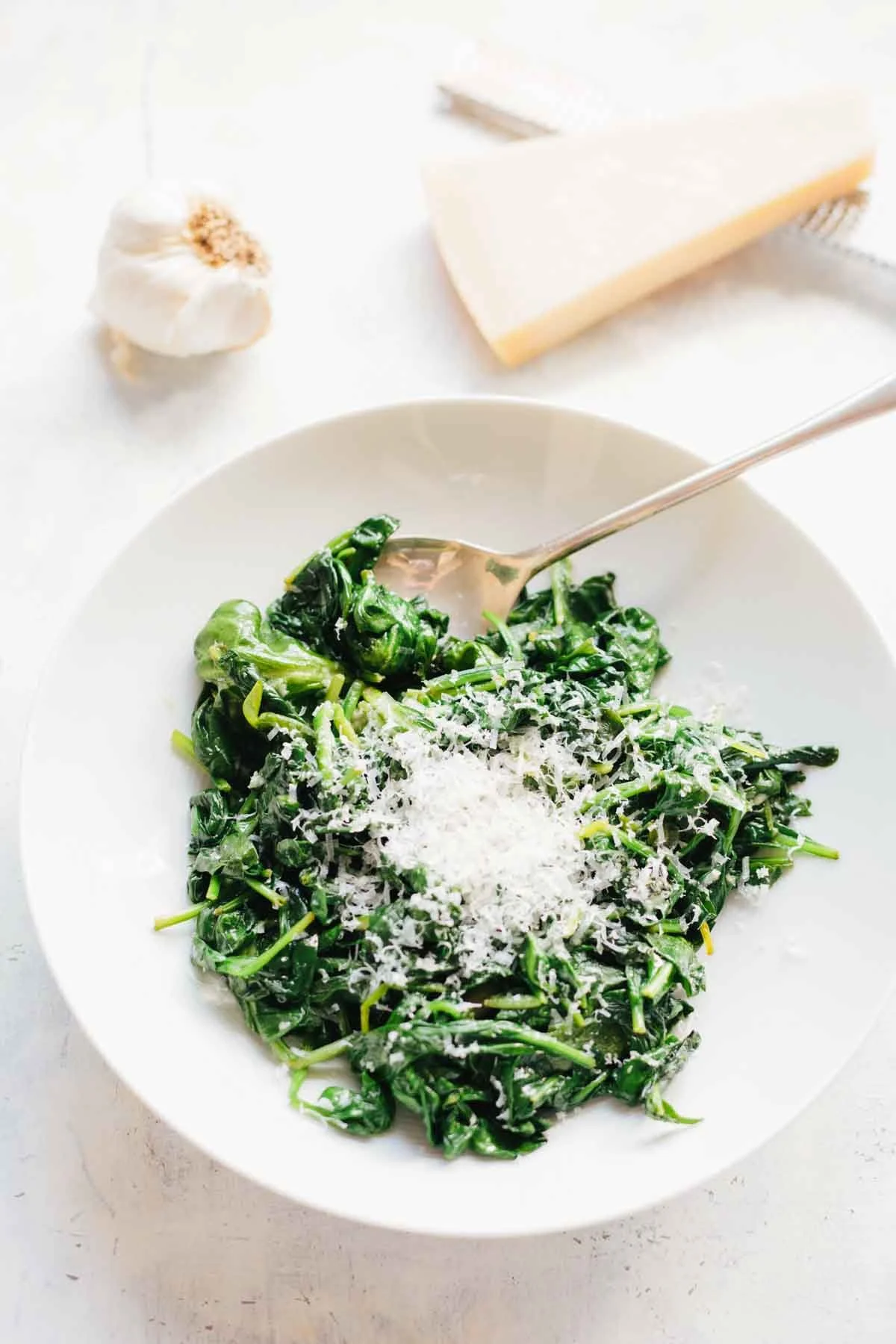
Photo Credit: Coley Cooks
Spinach with Butter and Parmesan
This Spinach with butter and parmesan is a simple, yet delicious side dish recipe that takes only 4 ingredients and 5 minutes to make!
Best Creamed Spinach Recipe - How to Make Creamed Spinach (thepioneerwoman.com)
Creamed spinach would also pair great as a side dish to meatloaf.
Chicken Spinach Fettuccine Alfredo- The Salt and Sweet Kitchen
I’m also a fan of a good alfredo and love a simple and quick version with simple ingredients. This one adds mushrooms, which is also something I love and, there will be a new mushroom vendor at the market in Sedalia this year, but if you’re not a mushroom fan they can be omitted.

Photo Credit: Rose at The Salt and Sweet
ADDITIONAL RECIPES
I LOVE to make compound butter with left over herbs. It is so easy to make. The compound butter cubes are fragrant and add so much flavor to our food. Try this recipe and keep it for future herbs that you will get throughout the season!
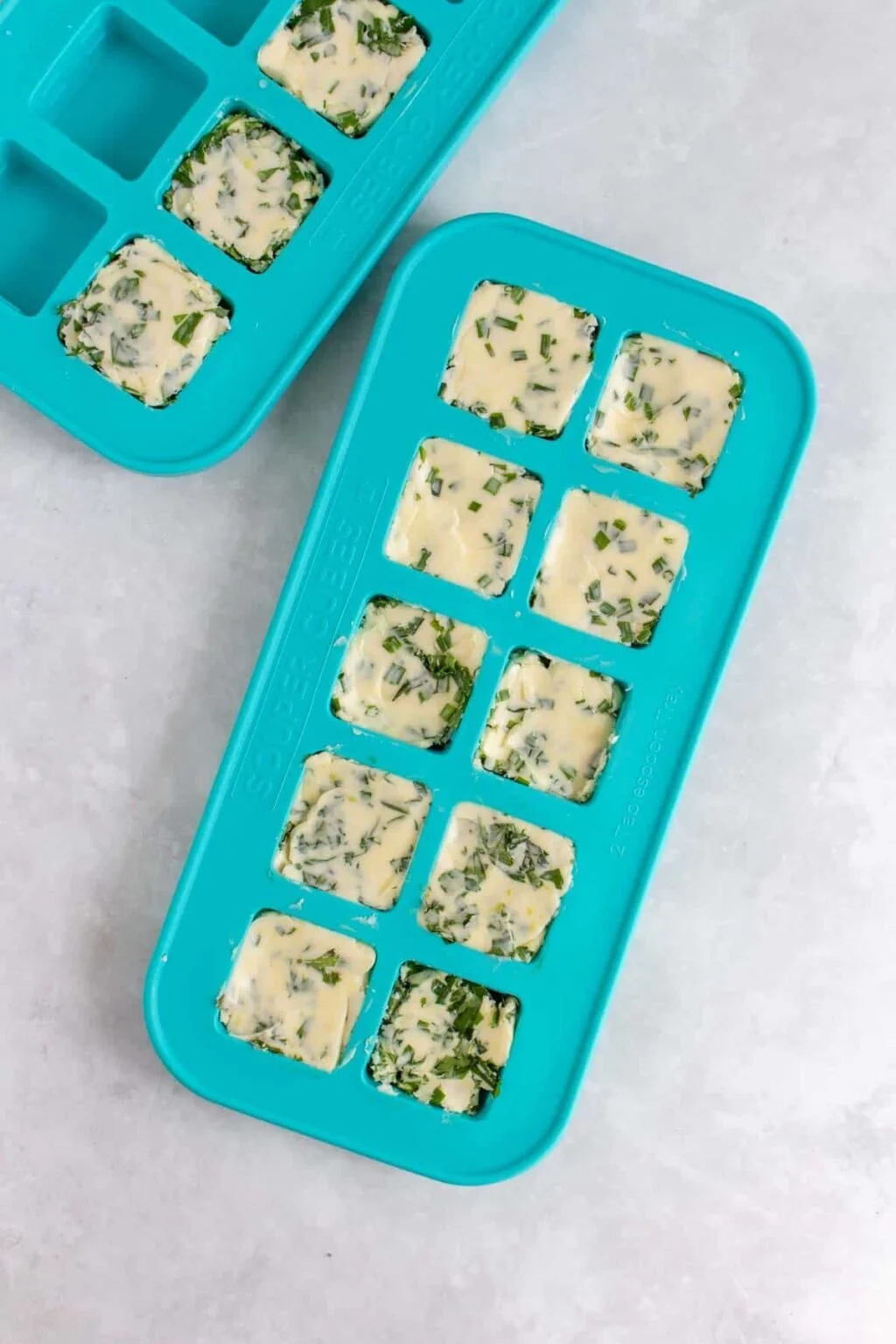
Photo Credit: Carmyy.com
Your lettuce leaves should be big enough to make Wilted Lettuce. I know traditionally it is only green leaves that are used, but we have made it with mixed lettuce and it was delicious. You could also use your Romaine as well.
Southern Wilted Lettuce with Hot Bacon Dressing Recipe (thespruceeats.com)
I haven’t tried this recipe but, I’m intrigued. Roasted Radishes.
Roasted Radishes - Healthy Recipes Blog (healthyrecipesblogs.com)
Uses Parsley!
What’s Been Happening Here
We have had a busy winter, although I really did try to step away completely from the farm for about a month over the holidays, but the weather stayed nice enough for us to continue going to market until mid-December. While the extra cash flow for the farm is nice, the double edge of that is stepping away wasn’t an option.
We have again made improvements to the farm this fall/winter such as hiring two part-time employees, significantly upgrading and reorganizing to our wash pack area, and doubling the production of our outdoor root crops. Additionally, we've transitioned away from using well water—a topic I’ll save for another time—while implementing some reorganization to other areas of the farm to boost our efficiency.
If you participated in our fall CSA, you might remember that we erected what we hope will be our final high tunnel, designed to accommodate 1,500 strawberry plugs. We plant these plugs in the fall for a spring harvest. Unfortunately, just before receiving our plugs from the supplier, we were alerted to a significant outbreak of a fungal disease. If you're curious about this situation, you can read more about it by following this link: NEO-P Outbreak. We did take our plants, but sadly, the majority did not size up, which has greatly reduced our potential yield. We haven’t quite figured out how to get in a good groove with strawberries, but it wouldn’t be farming if there wasn’t curve balls.





IF ALL ELSE FAILS
If your week has been crazy and you haven’t had time to do a thing with items in your bag, focus on these three tasks:
Make sure your strawberries are still good and if you absolutely must - freeze them. You can do this whole if needed and later use them for a quick strawberry jam or make ice cream topping for ice cream! Fresh local berries are super sweet and we don’t add any sugar when we make ice cream topping. Smash them up until your desired consistency and add on top of vanilla ice cream.
Asparagus will store for quite a while in your fridge with no additional requirements.
Lettuce, spinach will store for at least 7 days. We rinse and spin dry your greens one time. You should rinse and dry again before consumption. The best way is with a hand crank salad spinner. Keep in mind moisture leads to spoilage. You can wait to wash your greens until you plan to consumer them. Place greens in an airtight container such as a bag or Tupperware. Greens will hold for 9-14 days.
Parsley wash and dry thoroughly. You want to make sure no excess water is present as that can cause freezer burn. Cut the lower part of the stems. Place cleaned and dried parsley in a large freezer bag and push it down to the bottom
You can freeze green onions including the leafy green tops, the white bulb end, and the stem in between. After freezing, the texture changes somewhat. Stem and bulb portions become soft, while the green parts sometimes become tough.
Make sure the greens are removed from the root vegetables. Your roots will store for a good while, your greens from your root vegetables need to be used or lose them.
Next Week’s Possibility’s
Your bag next week will include 6-7 of the following depending on availability and if it’s ready to harvest.
Strawberries
Asparagus
Kale
Carrots
Herbs (cilantro, dill, basil, rosemary, oregano, parsley)
Spring Onions
Lettuce (head or mixed)
Spinach
Radish
Beets
Wishing you a fantastic week ahead, see you next week!
Fall CSA Newsletter: Week 8
It’s Week Eight
Welcome! We are hope that you had a fantastic seventh week and that you were able to use everything in your bag. Did you discover a new recipe? Try something that will be added to your rotation of meals? Try a new to you vegetable that you liked? Let us know and I will share it here with our other members. If you loved it, others will too!
In Your Box This Week and How to Store Them
CARROTS - Store carrots in the refrigerator in a plastic bag or container. Cut tops off prior to storage. They can store for several weeks and sometimes even months $5
CELERY - Place the celery in the crisper drawer of your refrigerator, which should be set to high humidity. Don't wash or cut the celery until you're ready to use it. I would recommend storing in an open plastic bag. $5
ROVER RADISH - Remove the greens from the root. If you choose to keep the greens, wash them and then store wrapped in a damp paper towel in a bag. Place in the crisper of the refrigerator. The root can store up to two weeks in the fridge in a plastic bag. Wash before use. $5
MIXED LETTUCE - Store in a plastic bag loosely in your refrigerator. The ideal temperature for storing lettuce is at or near 32 degrees. Wash prior to use. Lettuce stores normally for UP to two weeks. $5
APPLES - I prefer to pick this variety a little early, they are still mildly tart but also sweet, which is perfect. You can display on your countertop, but they'll only last between 1 and 2 weeks, depending on the variety and room temperature. Apples in the fridge last from 2 weeks to several months. $6
BEETS - cut off immediately. Store the roots in a bag in your refrigerator. Before use wash your beets., you can peel them with a knife or peeler, or you can roast them in foil or boil them, and the peels will come right off. Turnips do not require you to peel them, but you should use prior to use. $6
Veggie of the Week
BEETS
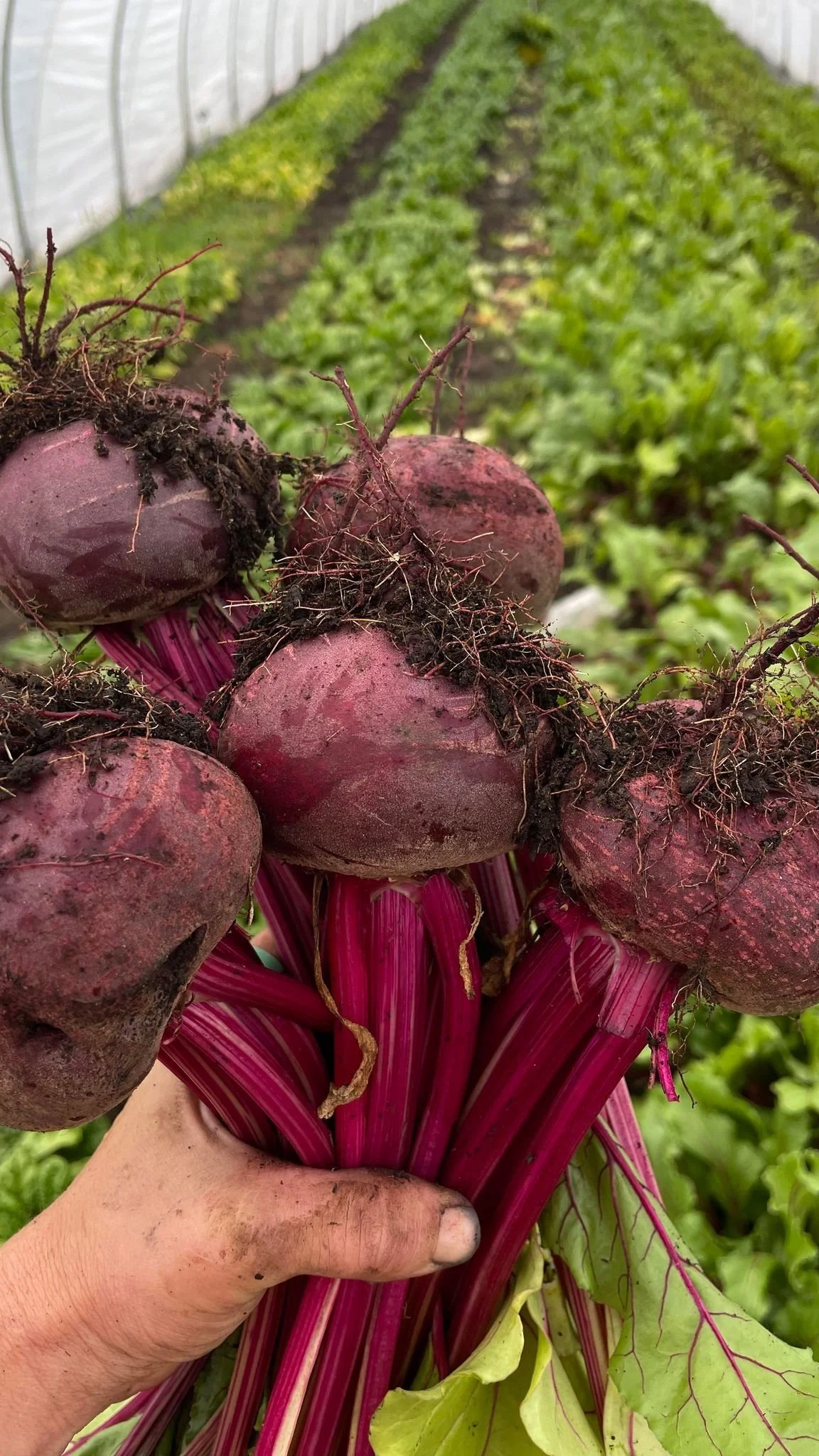
Beets, often underestimated, are colorful root vegetables that bring a wealth of health benefits to the table. They are a vibrant vegetable that not only enhances the appeal of meals but also enrich them with a unique earthy flavor. Rich in essential vitamins and minerals, beets are incredibly nutrient-dense while being low in calories, making them a perfect addition to your daily plate.
When I, (Kim), grew up we never ate beets. I was in my late 30’s before ever trying to incorporate them into a meal. I was please to find that I could roast, boil, pickle or juice them which all can be fairly simple. Beets also pair well with goat cheese and in salads. (Yum!)
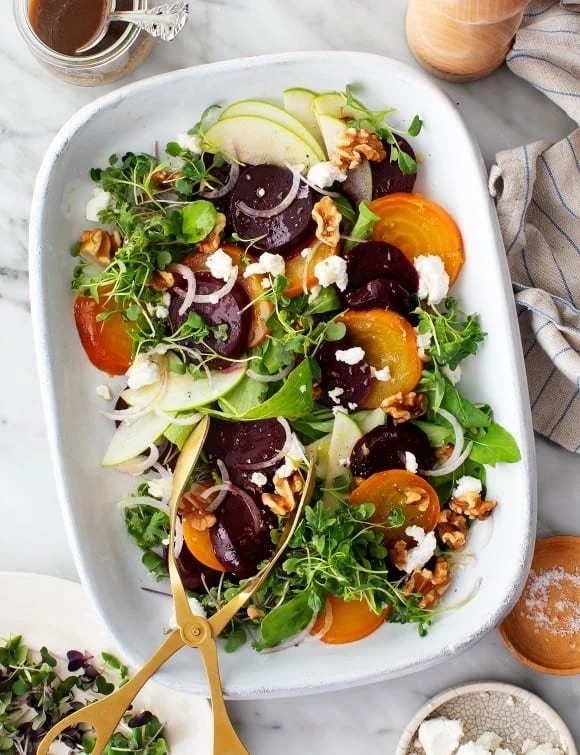
Love and Lemons
Beet Salad with Goat Cheese (You can used beets, lettuce and apples from your bag this week!)
4 to 5 medium beets
Extra virgin olive oil for drizzling
2 cups salad greens, arugula or spring mix
½ shallot, thinly sliced
½ green apple, thinly sliced
¼ cup toasted walnuts
2 ounces goat cheese
Microgreens, optional
Balsamic Vinaigrette
Sea Salt
Ground Pepper
Preheat the oven to 400°F.
Wrap each beet in a piece of aluminum foil and drizzle generously with olive oil and pinches of salt and pepper. Place the beets on a baking sheet and roast for 40 to 90 minutes, or until soft and fork-tender. The time will depend on the size and freshness of the beets. Remove the beets from the oven, remove the foil, and set aside to cool. When they are cool to the touch, peel the skins. I like to hold them under running water and slide the skins off with my hands.
Let the beets cool and chill them in the fridge until ready to use.
Slice the beets into ¼-inch-thick rounds. Assemble the salad with the greens, shallots, apples, beets, walnuts, cheese, and microgreens, if using. Drizzle with balsamic vinaigrette. Season with flaky sea salt and pepper and serve.
Beet Salad with Goat Cheese and Balsamic Recipe - Love and Lemons

Photo Credit: Veseys
Sauteed Beet Greens
1 bunch of beet greens
1 teaspoon extra virgin olive oil
1 garlic clove, finely chopped
Sea salt and freshly ground black pepper
2 tablespoons golden raisins
Lemon wedge, for squeezing
1 tablespoon chopped walnuts or pistachios
Instructions
Separate the stems from the beet greens. Finely chop the stems and coarsely chop the leaves.
Heat the olive oil in a large skillet over medium heat. Add the garlic and the beet stems and cook, stirring, for 1 minute. Add the beet greens, a few pinches of salt, and several grinds of pepper. Sauté, tossing, until just wilted.
Turn off the heat, add the raisins, and squeeze with lemon juice. Toss to combine. Transfer to a platter, top with the walnuts, and season to taste with more salt and pepper.
Sautéed Beet Greens Recipe - Love and Lemons
Additional Recipes
Whole Wheat Strawberry Beet Muffins Recipe - Super Healthy Kids
These look fun and something I might try with my kids!
Beet Smoothie | Healthy Breakfast Smoothie Recipe (wellplated.com)
Wilted Lettuce Salad Recipe (allrecipes.com)
My Favorite Carrot Cake Recipe - Sally's Baking Addiction (sallysbakingaddiction.com)
Parmesan Roasted Carrots Recipe - Cafe Deliteavs
Homemade Chicken Noodle Soup Recipe - The Forked Spoon
Roasted Carrots Recipe - Love and Lemons
Easy Olive Garden Zuppa Toscana Soup - Creme De La Crumb (lecremedelacrumb.com) (perfect for your kale and the cold temps that are coming! You can use mild Italian sausage and add red pepper to your spice level)
Week 8
Kim made it back from her trip to Charlotte, NC on Monday. Matt survived last week Friday’s CSA pick-up and farmers market, which we never had any doubt he would. The trip to NC has been scheduled for some time as a girl’s trip including aunts, great aunts, cousins and Kim’s grandma. Lots of food, wine and laughs overlooking a lake with beautiful weather and bonfires was a great way to spend a four-day weekend.


The farm is still in the process of preparing for winter. We are removing plants from the tunnels and burning them in our big burn pit. Clearing as much debris as possible from the garden areas is crucial, and we primarily burn the debris to minimize the risk of disease transmission in the future. Matt is putting the finishing touches on the end walls of our last tunnel and is relieved to complete this task before the onset of colder weather. Next week marks the beginning of garlic planting, and we are also applying fall compost to any open beds within the tunnels. Preparations for the upcoming season are well underway, especially since tomato seeds are set to be started in just two months!
I can hardly believe we are already in week 8. We've successfully completed 20 weeks of our Community Supported Agriculture (CSA) program this year, effectively doubling our offerings from the previous year. This wouldn't have been possible without the unwavering support from both our new and returning customers who have consistently shown their commitment week after week, and year after year. We are immensely grateful—thank you!
We sincerely hope you’ve enjoyed this year’s CSA, which included our enhanced newsletters, a diverse yet staple heavy weekly bag, along with the additional weeks we introduced. It’s our hope to welcome all of you back next year. Stay tuned for even more "upgrades" in the future as we aim to expand our CSA program even further!
We appreciate you and your support of small farms, small business and our small family!
Warmly,
Matt, Kim and kids

If All Else Fails
If your week has been crazy and you haven’t had time to do a thing with items in your bag, focus on these tasks:
Lettuce, spinach and kale will store for at least 7-10 days. We wash and spin dry your greens one time. You should wash and dry again before consumption. The best way is with a hand crank salad spinner. Keep in mind moisture leads to spoilage. You can wait to wash your greens until you plan to consumer them. Place greens in an airtight container such as a bag or Tupperware. Greens will hold for 7-10 days.
Make sure the greens are removed from the root vegetables. Your roots will store for a good while, your greens from your root vegetables need to be used or lose them.
Greens such as carrot tops or other veggie scraps can be saved and used for homemade vegetable broth. Try this recipe: How to Make Vegetable Broth Using Saved Kitchen Scraps ~ Homestead and Chill
Celery can be stored in your crisper drawer for quite a while but, you can also chop it and store it in a freezer bag to be used for cooking later.
Fall CSA Newsletter: Week 7

It’s Week Seven
Welcome! We are hope that you had a fantastic sixth week and that you were able to use everything in your bag. Did you discover a new recipe? Try something that will be added to your rotation of meals? Try a new to you vegetable that you liked? Let us know and I will share it here with our other members. If you loved it, others will too!
In Your Box This Week and How to Store Them
CARROTS - Store carrots in the refrigerator in a plastic bag or container. Cut tops off prior to storage. They can store for several weeks and sometimes even months $5
CELERY - Place the celery in the crisper drawer of your refrigerator, which should be set to high humidity. Don't wash or cut the celery until you're ready to use it. I would recommend storing in an open plastic bag. $5
ROVER RADISH - Remove the greens from the root. If you choose to keep the greens, wash them and then store wrapped in a damp paper towel in a bag. Place in the crisper of the refrigerator. The root can store up to two weeks in the fridge in a plastic bag. Wash before use. $5
KALE - Kale loves the crisper drawer. Does well in a loose bag in your refrigerator. Wash prior to use. Stores normally for UP to two weeks. $5
MIXED LETTUCE - Store in a plastic bag loosely in your refrigerator. The ideal temperature for storing lettuce is at or near 32 degrees. Wash prior to use. Lettuce stores normally for UP to two weeks. $5
WINTER SQUASH - Winter squash will last up to a month in a cool (50 to 55 F) dark cellar or storage area, but only about two weeks in the refrigerator. We keep ours out on the counter out of direct sunlight and haven’t had any issues with it lasting several weeks. $4 2.0lbs
*Note- You will receive either butternut, acorn or spaghetti squash in your bag this week.
HERBS - (ONE of the three listed)
SAGE - To store, simply wrap the sage leaves in paper towels and put them in a plastic bag in the refrigerator. Make sure to use the leaves within four to five days. Fresh leaves that are covered in olive oil can be stored for much longer in the refrigerator, about three weeks. Use the flavored oil to your advantage to sauté sage with other ingredients. For example, consider a dish like butternut squash with sage leaves (see recipe below). $2.50
ROSEMARY - You have a couple of options to store Rosemary. First, place the rosemary sprigs in a large mason jar or glass of water, just like you would with a bouquet of flowers. You can set this on the counter, and it will last a few days this way. Second, you can take a slightly damp paper towel and wring out any excess water (should be damp but not soaking wet). Wrap the damp paper towels around the rosemary sprigs. Put the paper towel wrapped rosemary sprigs into the ziplock baggie and seal it, ensuring there is no air inside. Store the bag in the refrigerator and it can last for up to two weeks $2.50
PARSLEY - trim a little off of the bottoms of the stems so that they can take in more water. Fill a jar or glass partially with water and set the parsley inside. An inch or two of the stems should be submerged. Cover the jar of herbs loosely with a plastic bag. Store in the refrigerator. Change the water when it becomes cloudy. $2.50
Veggie of the Week
CARROTS
For some of you this week’s veggie of the week post may look familiar as it is a copy from week 6 of our summer CSA. The original post was from the middle of June and has recipes that fit well with this week’s bag. Plus, plenty of time has passed and it may seem like a new post!
We have a busy week as Kim is leaving for a long weekend on Thursday to visit family. Matt is staying behind with the 5 kids that live at home which means he is in charge of carpool, meals, laundry, trying to potty train our youngest, football and soccer practices/games and this week’s CSA and farmer’s market. Please give him a little extra grace and patience as Matt tries to keep our life together while Kim is gone!
I will not be posting a farm update this week either. Stay tuned for next week’s farm update which will also be our LAST WEEK for fall CSA. Can you believe it??!! I’m struggling to think that we are closing in quickly on the end of October. We hope you enjoy this week’s bag and look forward to bringing you a fantastic last week once we have returned to full occupancy, lol!
Before Matt and I became market garden farmers we did occasionally attend farmers markets and stop at roadside stands. There were certain vegetables that I would gravitate towards knowing they were much, much better fresh and local. Those were typically melons, fruit of any kind, red slicing tomatoes and sweet corn. When I watch what consumers leave with at the market I feel as if these are things most people naturally gravitate towards as well.
What I did not give enough credit to, and I don’t think most people do, is how much I would love fresh carrots. They’re not something I would regularly see at farmers markets and if I did, they were small and stubby, which is another reason I never bought them. Once we grew our first good crop of carrots I was hooked, the taste was so much sweeter than store bought. (A little farmer tip…. carrots are at peak sweetness in the spring and fall) Our kids will eat carrots right out of the field, but we have a couple great recipes that your kids are sure to love too!
I found this recipe on Instagram over last winter. We had 20lbs of leftover carrots after the Thanksgiving holiday and this has easily become my go-to recipe.
I have included this recipe below in case you don’t have Instagram.
Ingredients:
2 lbs carrots, peeled and cut to 1.5” in length and 1/2” thickness
3 tbsp olive oil
1/4 cup honey
2 large cloves garlic, minced (I usually omit this, but it is up to you)
1 tsp smoked paprika
1 tsp cinnamon
1/2 tsp cumin (I usually half this or omit all together, but it is up to you)
1 tsp salt
1/4 tsp pepper
Directions:
Preheat your oven to 425
In a small jar, whisk together your honey, olive oil, spices, garlic salt and pepper
Add your carrots to a bowl and toss with your honey mixture
Add your carrots to a parchment-lined sheet pan, pouring any remaining honey mixture over top, and roast in the oven for 25 minutes, tossing once halfway through
Remove from oven, toss again, then service and enjoy!

Photo Credit: Love and Lemons
I know it is colder now than when I originally sent this, but it is still a good side option. This one is very good and something we serve as a quick, healthy side dish or snack. I again included the recipe in case you don’t have an Instagram account. You can omit the dill if needed and try zucchini ribbons instead of cucumber if you have any zucchini left.
Ingredients:
* 1 large cucumber, shaved into ribbons (if you have zucchini try this recipe with it!)
* 2 medium carrots, shaved into ribbons
* 2 tbsp chopped fresh dill
* 1 clove garlic, minced
* 1/2 tsp salt
* 2 tbsp extra-virgin olive oil
* 1/4 cup dairy-free yogurt
* 2 tbsp freshly squeezed lemon juice
Instructions:
Combine Ingredients: In a bowl, mix cucumber ribbons, carrot ribbons, chopped dill, minced garlic, salt, olive oil, dairy-free yogurt, and freshly squeezed lemon juice.
Gently toss everything together, ensuring all ingredients are well combined and coated.
Cover the bowl and refrigerate for 20-30 minutes, allowing flavors to meld.
After chilling, give the salad a final toss, adjusting seasoning if needed.
Transfer the salad to a serving dish and garnish with extra dill and enjoy.

FYI THIS RECIPE HAS A VIDEO! CLICK THE LINK ABOVE!
I know the image is a bit large but, sometimes transferring things from social media doesn’t work well, but this recipe was too good to leave out!
I made this recipe on Sunday for our family. Quick and easy! My daughter will come home every Sunday but, occasionally show up on a day when she knows I am making something she likes. I personally, like this recipe not only because it is easy but, it uses a lot of the vegetables we grow.
3 cups of store-bought rotisserie chicken (shred at home).
1 can of Pillsbury Grands Southern Homestyle Biscuits
1/2 cup flour
4 cups chicken broth
1 cup heavy cream
2 tablespoon olive oil
1 large onion, diced
4 celery sticks, diced
3-4 carrots, diced
1/2 cup of peas, fresh or frozen (we used frozen)
1/2 cup mozzarella cheese
1/2 teaspoon of garlic powder
1/2 teaspoon paprika (I used smoked paprika but either is fine)
1 teaspoon onion powder
1 sprig of fresh thyme
1 sprig of fresh rosemary
3-4 sage leaves
1/2 teaspoon of creole seasoning
pinch of pepper
Pre heat oven to 375 degrees
Saute the onion, carrots, celery, peas in olive oil, avacado oil, butter or bacon grease for approx 5 minutes
Shred chicken, set aside
Add all seasonings and flour. Mix together with veggies in pan.
Add chicken stock and start to gently boil for a few minutes. It will thicken up. Watch and stir!
Add heavy cream, bring to a boil then reduce temp and let simmer for a few minutes.
Add mozzarella and chicken, mix
pour into either a large cast iron skillet or a glass dish.
cut biscuits in half and then top the chicken mixture with the biscuits ensure all space is covered in an even layer
bake for 12-18 minutes until biscuits are golden brown.
NOTES:
One small chicken from Wal-Mart gave us about 5.5cups which was perfect as we double any recipe.
You don’t have to use a pre-cooked chicken. This is just a step that allows this meal to be quicker and it adds lots of flavor. You can cook your own chicken and then boil the bones and scraps and make your own stock for this recipe.
If you double this recipe, let step 6 boil for more than a few minutes to allow vegetables to become tender. Careful not to burn.
I used Rosemary, Sage and Oregano, fresh for this recipe.
The creole seasoning isn’t required. I did have some on hand so I did use it.
Again, THIS RECIPE HAS A VIDEO! CLICK THE LINK ABOVE titled Homemade Chicken Pot Pie. It is a Facebook video and I think most of you have Facebook.
I paired this dish with a side Ceasar salad using our mixed lettuce, croutons and parmesan cheese.
Additional Recipes
My Favorite Carrot Cake Recipe - Sally's Baking Addiction (sallysbakingaddiction.com)
Parmesan Roasted Carrots Recipe - Cafe Deliteavs
Homemade Chicken Noodle Soup Recipe - The Forked Spoon
Roasted Carrots Recipe - Love and Lemons
Easy Olive Garden Zuppa Toscana Soup - Creme De La Crumb (lecremedelacrumb.com) (perfect for your kale and the cold temps that are coming! You can use mild Italian sausage and add red pepper to your spice level)
If All Else Fails
If your week has been crazy and you haven’t had time to do a thing with items in your bag, focus on these tasks:
Parsley wash and dry thoroughly. You want to make sure no excess water is present as that can cause freezer burn. Cut the lower part of the stems. Place cleaned and dried parsley in a large freezer bag and push it down to the bottom.
Rosemary can freeze. Wash sprigs thoroughly and dry them well. Leave the leaves on the stem and arrange the sprigs on a baking tray so that the individual stems do not touch − this prevents the stems from freezing together and makes it easier to remove individual sprigs later. Place the baking tray in the freezer for a few hours to freeze the rosemary sprigs. Once frozen, transfer the rosemary sprigs to a freezer bag and store them in the freezer. Frozen rosemary can be stored for a year or more. Frozen rosemary sprigs do not need to be defrosted before cooking
Oregano must be used quickly. Whether it's homegrown or purchased, oregano should be stored in a plastic bag in the refrigerator for up to three days. If you place a slightly damp paper towel in the bag with the oregano and leave some air in the bag, it may extend the life up to one week. You may also extend the shelf life of fresh oregano by storing whole stems with leaves in a glass of water with a plastic bag loosely tented over the glass. Fresh oregano can also be frozen. Before doing so, though, wash and dry the fresh oregano sprigs. Strip whole leaves from stems and place in plastic bag loosely without crushing but remove all air.
With any herb you can also make a compound butter and freeze. Try this link for recipes: Herb Compound Butter Recipe - Love and Lemons or this one: Herb Compound Butter - Downshiftology
Lettuce, spinach and kale will store for at least 7-10 days. We wash and spin dry your greens one time. You should wash and dry again before consumption. The best way is with a hand crank salad spinner. Keep in mind moisture leads to spoilage. You can wait to wash your greens until you plan to consumer them. Place greens in an airtight container such as a bag or Tupperware. Greens will hold for 7-10 days.
Winter squash will also store for weeks if not months if kept in a cool, dry space away from direct sunlight.
Make sure the greens are removed from the root vegetables. Your roots will store for a good while, your greens from your root vegetables need to be used or lose them.
Greens such as carrot tops or other veggie scraps can be saved and used for homemade vegetable broth. Try this recipe: How to Make Vegetable Broth Using Saved Kitchen Scraps ~ Homestead and Chill
Celery can be stored in your crisper drawer for quite a while but, you can also chop it and store it in a freezer bag to be used for cooking later.
Next Week’s Possibility’s
Your bag next week will include 6-7 of the following depending on availability and if it’s ready to harvest.
apples
carrots
green beans (if the frost doesn’t take the plants)
beets
lettuce
okra (if the frost doesn’t take the plants)
sweet potatoes
bell peppers
zucchini (if the frost doesn’t take the plants!)
herbs (rosemary, sage, oregano, parsley)
celery
radish
kale
spinach (big maybe)
winter squash
Wishing you a fantastic week ahead, see you next week!

Fall CSA Newsletter: Week 6
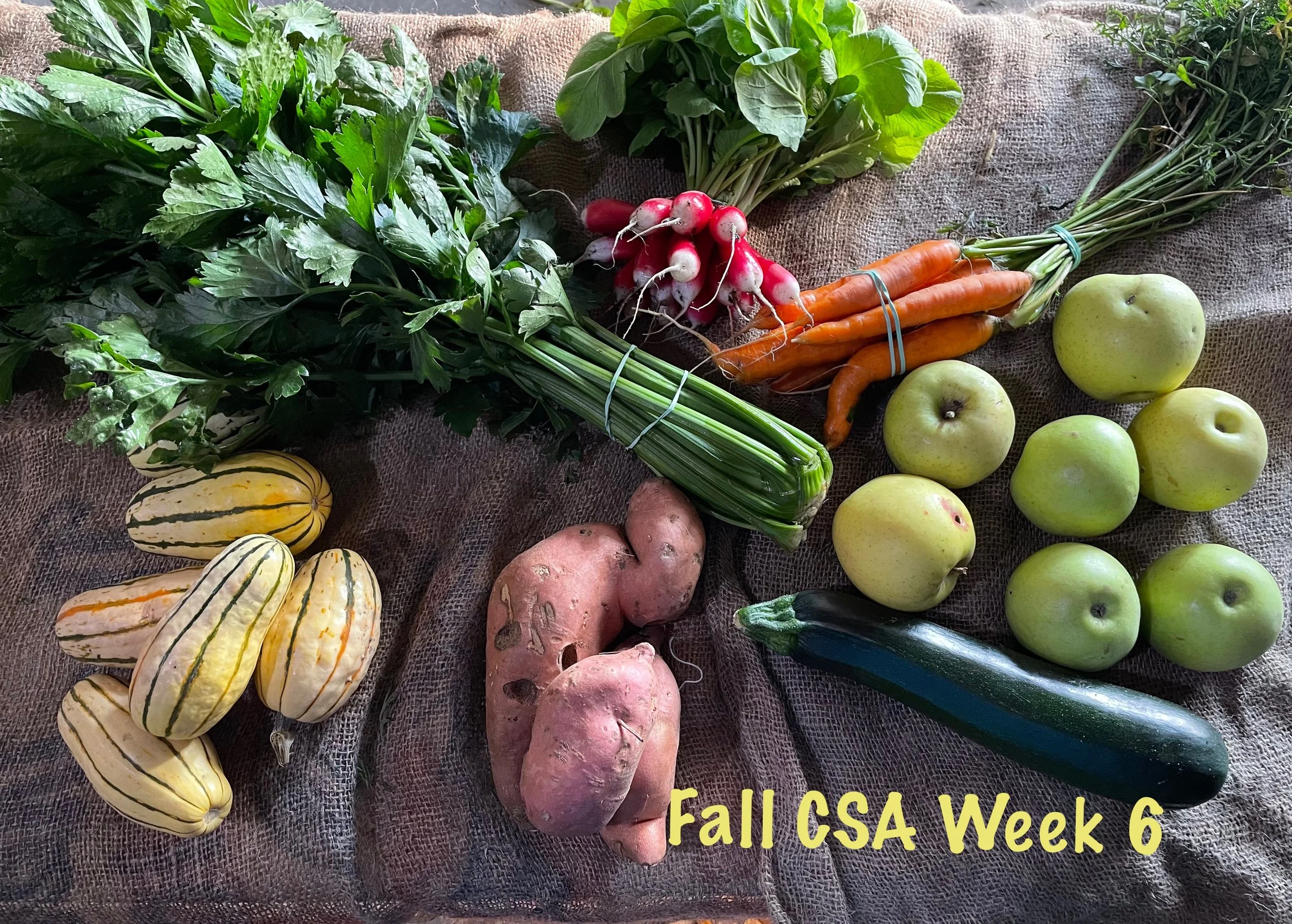
It’s Week Six
Welcome! We are hope that you had a fantastic fifth week and that you were able to use everything in your bag. Did you discover a new recipe? Try something that will be added to your rotation of meals? Try a new to you vegetable that you liked? Let us know and I will share it here with our other members. If you loved it, others will too!
In Your Box This Week and How to Store Them
CARROTS - Store carrots in the refrigerator in a plastic bag or container. Cut tops off prior to storage. They can store for several weeks and sometimes even months $5
APPLES - I prefer to pick this variety a little early, they are still mildly tart but also sweet, which is perfect. You can display on your countertop, but they'll only last between 1 and 2 weeks, depending on the variety and room temperature. Apples in the fridge last from 2 weeks to several months. $6
CELERY - Place the celery in the crisper drawer of your refrigerator, which should be set to high humidity. Don't wash or cut the celery until you're ready to use it. I would recommend storing in an open plastic bag. $5
SWEET POTATOES - Keep in a cool, dry place away from light, like a dark corner of the kitchen or in a cabinet. Also keep well ventilated. Do not store in a plastic bag but you can store in a basket or paper bag. $4 ($2 pound)
ZUCCHINI -Wash, thoroughly dry, then wrap your cucumber in a dish towel or paper towel, place in an unsealed plastic bag to allow some airflow and place them in the crisper drawer. Can store for up to 10 days. Storing zucchini in the fridge is a quick and simple way to keep zucchini fresh. Keep the zucchini whole until you're prepared to use it, avoid washing zucchini prior to storage. $1.00 x 1
DELICATA SQUASH - Winter Squash is best stored between 55-65 degrees, however, Delicata squash does not store quite as well as heartier varieties like Acorn and Butternut. Place in a cool dry room in your house (do not refrigerate) and it should last 2 months. $4 (2lbs)
FRENCH BREAKFAST RADISH - Remove the greens from the root. If you choose to keep the greens, wash them and then store wrapped in a damp paper towel in a bag. Place in the crisper of the refrigerator. The root can store up to two weeks in the fridge in a plastic bag. Wash before use. $5
Veggie of the Week
Radish (French Breakfast)
Photo Credit: Johnny Seeds
Fall radishes are here. French Breakfast radishes are in your bag this week. We are hoping to give a different radish variety each week for the next 3 weeks, although as always that’s up to how quickly and well they want to grow.
French Breakfast are a small to medium-sized variety. They have an elongated shape and the skin is thin, smooth, with a two-toned color of fuchsia red with white tips. When fresh the are juicy, with a crisp texture that provides a satisfying crunch. They tend to be more mild, earthy, and subtly peppery than your traditional round, red radish. When cooked, these radishes take on a gentle sweetness with a nutty, mellow taste. The leafy green tops are also edible, featuring a crisp texture and a flavor that is fresh, green, and slightly peppery. If you by chance can hold off on just eating them raw, because trust me they are delicious on their own, I put a few recipes below.
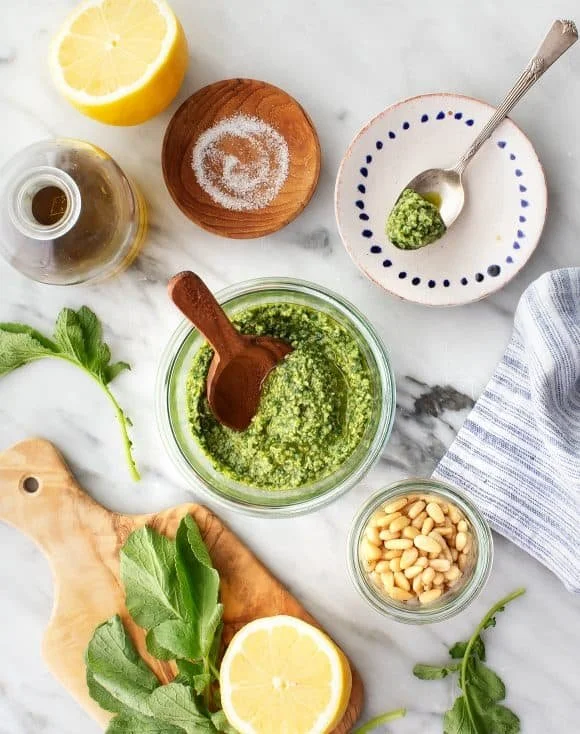
Photo Credit: Love and Lemons
Don’t throw out those radish greens, give this a try!
Radish Greens Pesto
½ cup pine nuts or pepitas
1 small garlic clove
1/4 tea spoon sea salt
ground black pepper
2 tablespoons fresh lemon juice
1 cup radish greens
1 cup fresh basil leaves
1/4 - 1/3 cup of extra virgin olive oil, more if preferred
¼ parmesan cheese, grated.
Instructions
In a food processor, combine the pine nuts, garlic, salt, and pepper and pulse until well chopped. Add the lemon juice and pulse again.
Add the radish greens and basil and pulse until combined.
With the food processor running, drizzle in the olive oil and pulse until combined. Add the Parmesan cheese, if using, and pulse briefly to combine. For a smoother pesto, add more olive oil.
Makes about 1 cup
I have never made this recipe, but I thought it looked interesting. I wish I had the basil and garlic to add to your bag, but you know…. farming :(
How to Use Radish Greens Recipe - Love and Lemons - if you click the link there is also a recipe with suggestions for sauteed radish greens too!

Photo Credit: Love and Lemons
https://www.loveandlemons.com/hummus-recipe/
Hummus; I know I haven’t provided you with any of the ingredients but, homemade hummus is delicious and is great for dipping radish, warmed up pita bread, bell peppers (if you still have any from last week), carrots or celery. It is a favorite at our house!
Additional Recipes
. French Breakfast Radishes Sautéed in Butter – coolcookstyle
Homemade Chicken Noodle Soup Recipe - The Forked Spoon
Roasted Sweet Potatoes - Skinnytaste
Easy Homemade Applesauce Recipe - NatashasKitchen.com
Roasted Carrots Recipe - Love and Lemons
Recipe : Fresh Apple Donuts | The Cake Blog I know this one doesn’t fit the “healthy bill” but COME ON it’s fall and who doesn’t love apple cake donuts!)
Old Fashioned Easy Apple Crisp - The Chunky Chef
Sauteed Zucchini Recipe – WellPlated.com
The Best Zucchini Lasagna (Delicious and Not Watery) – A Simple Palate
What’s Been Happening Here
Weirdly, I started to write an update of what has been happening here and change the “If All Else Fails” section and I think last week’s update did not in fact update from the previous week…. so, if you read the same updates or storage tips two weeks in a row, sorry about that.
We are in fall clean-up. Ripping out tomato vines, cultivating fall weeds that still want to come up, cleaning our garage/wash pack area in preparation for our final markets, we planted all the strawberries but then ordered 1000 more… so were not done yet! Matt is finishing our last tunnel (still), we are pulling our final apples and sweet potatoes this week as our final excavation of the back fields will happen and all the root crops need to be out. I am looking forward to proper drainage of those fields next year which will increase our yields for next year. We are also preparing for Lincoln University to come to the farm this Saturday for a beginning farmers follow-up on how we prep for the winter, I’ll talk more about this next week.
We are in our final stretch of summer markets with only 3 left in Sedalia and Columbia. We will tip-toe into the winter market in Columbia but, only with what we have left. I had planned to have an abundance going into the winter but, we can’t seem to keep up with demand, which is a great problem to have, and it has left us with less than we anticipated.
On a final note: I left the pictures the same because 1. My kids are cute, let’s face it. 2. I don’t think the update happened last week to explain the pictures. Far left is our youngest “helping” (I use that term loosely) lay fabric, set irrigation lines and plant strawberries. The middle picture is our beds prepped with irrigation lines before weed fabric was installed. We normally do not lay weed fabric, but this is a new-ish area and berries do better when planted into plastic mulch or fabric plus it will help keep future labor costs at bay by keeping the weed pressure low. The far two right pictures are of our second middle son, high up in the bucket helping us pick apples and our last picture is our other middle son attending homecoming with his girlfriend and our exchange student with his date.
ON A FINAL NOTE: after this week’s pickup there are only TWO CSA weeks left for the fall season. It’s going by so fast!

If All Else Fails
If your week has been crazy and you haven’t had time to do a thing with items in your bag, focus on these tasks:
Potatoes will store well out of direct sunlight in a cool dry place for several weeks.
Apples can store in your crisper for weeks without problem.
Winter squash will also store for weeks if not months if kept in a cool, dry space away from direct sunlight.
Make sure the greens are removed from the root vegetables. Your roots will store for a good while, your greens from your root vegetables need to be used or lose them.
Zucchini can be shredded and frozen.
Celery can be stored in your crisper drawer for quite a while but, you can also chop it and store it in a freezer bag to be used for cooking later.
Next Week’s Possibility’s
Your bag next week will include 6-7 of the following depending on availability and if it’s ready to harvest.
apples
carrots
green beans
beets
lettuce
okra
sweet potatoes
bell peppers
Fairy Tale Eggplant
zucchini (green or yellow)
herbs (rosemary, sage, oregano, parsley)
celery
radish
kale
spinach (big maybe)
Wishing you a fantastic week ahead, see you next week!